Bio
James Woodfill is an American interdisciplinary artist whose practice encompasses sculpture, installation, painting, public art, architecture, design, urban planning, and collaborative civic projects. For more than four decades, he has investigated how objects, light, movement, sound, architecture, and human activity combine to shape the experience of a place. Rather than treating an artwork as an isolated object, Woodfill frequently approaches the entire environment as his medium, composing situations that unfold through space and over time.
A central concern throughout Woodfill's practice is direct experience. His installations are rarely intended to be understood from a single viewpoint. Viewers move through and around them, encountering shifting relationships among objects, reflections, shadows, sounds, mechanical movement, and architectural features. Perception becomes active and temporal: the work changes according to where one stands, how long one remains, and what else is occurring in the surrounding space.
Woodfill has described his installations as compositions, a term that reflects his interest in arranging independent elements into larger experiential systems. Industrial materials, motors, lights, mirrors, painted surfaces, fabricated structures, found objects, and ordinary functional components can all enter the work.
Movement and repetition are particularly important. Motorized elements rotate, oscillate, or produce recurring actions, while light and shadow generate additional patterns across walls, floors, and ceilings. These systems are often intentionally straightforward rather than technologically concealed. Woodfill allows viewers to see how an effect is produced, emphasizing the physical fact of a motor, wire, fixture, or support alongside the perceptual experience it creates.
This openness about construction reflects Woodfill's resistance to conventional boundaries among art, architecture, and design. A sculpture can behave like a light fixture; a functional object can become part of an installation; an architectural intervention can operate simultaneously as artwork and infrastructure.
The built environment has therefore become an increasingly important extension of Woodfill's studio practice. His public projects engage architecture, streets, infrastructure, neighborhoods, and civic systems, often developing through collaboration with architects, designers, planners, community organizations, and public agencies.
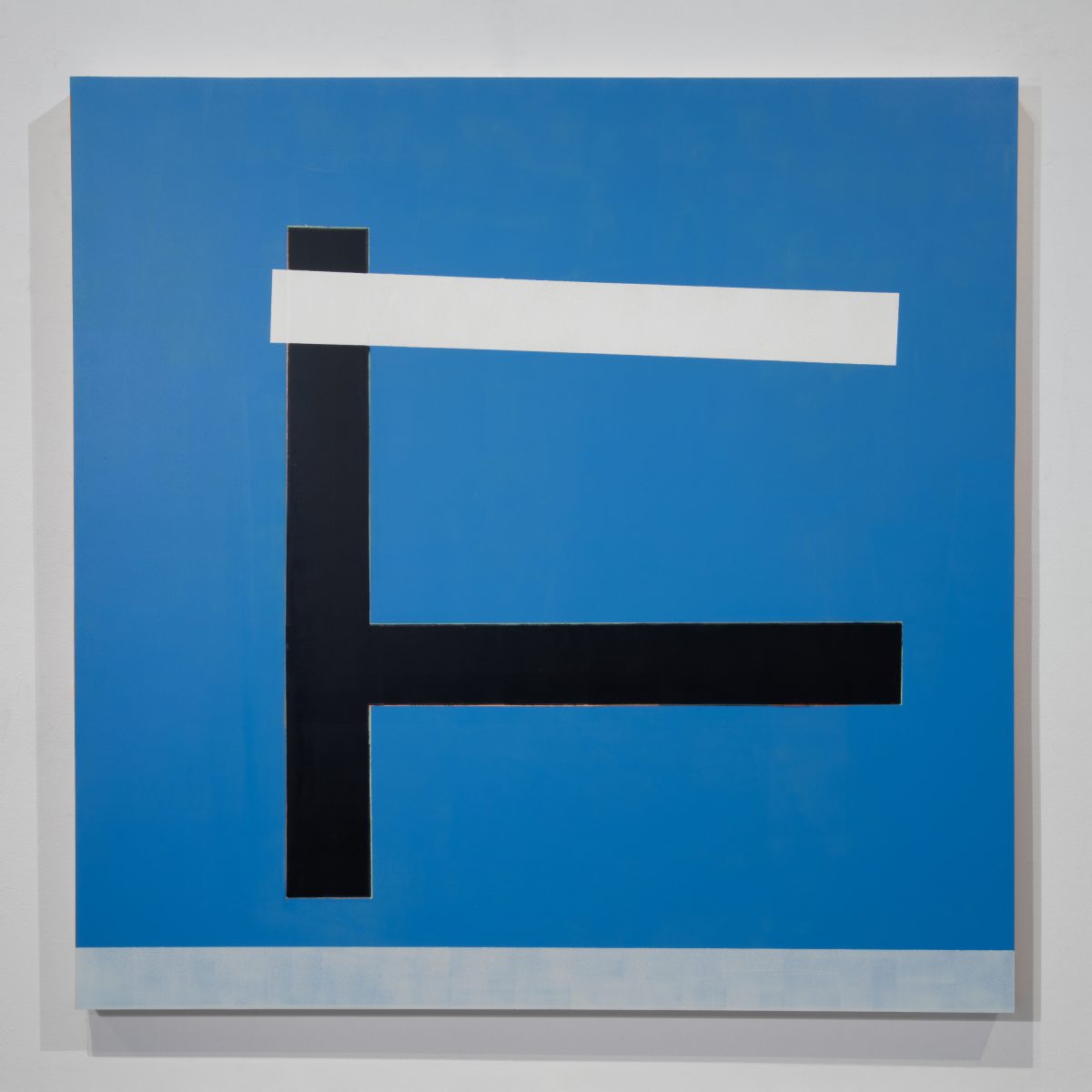
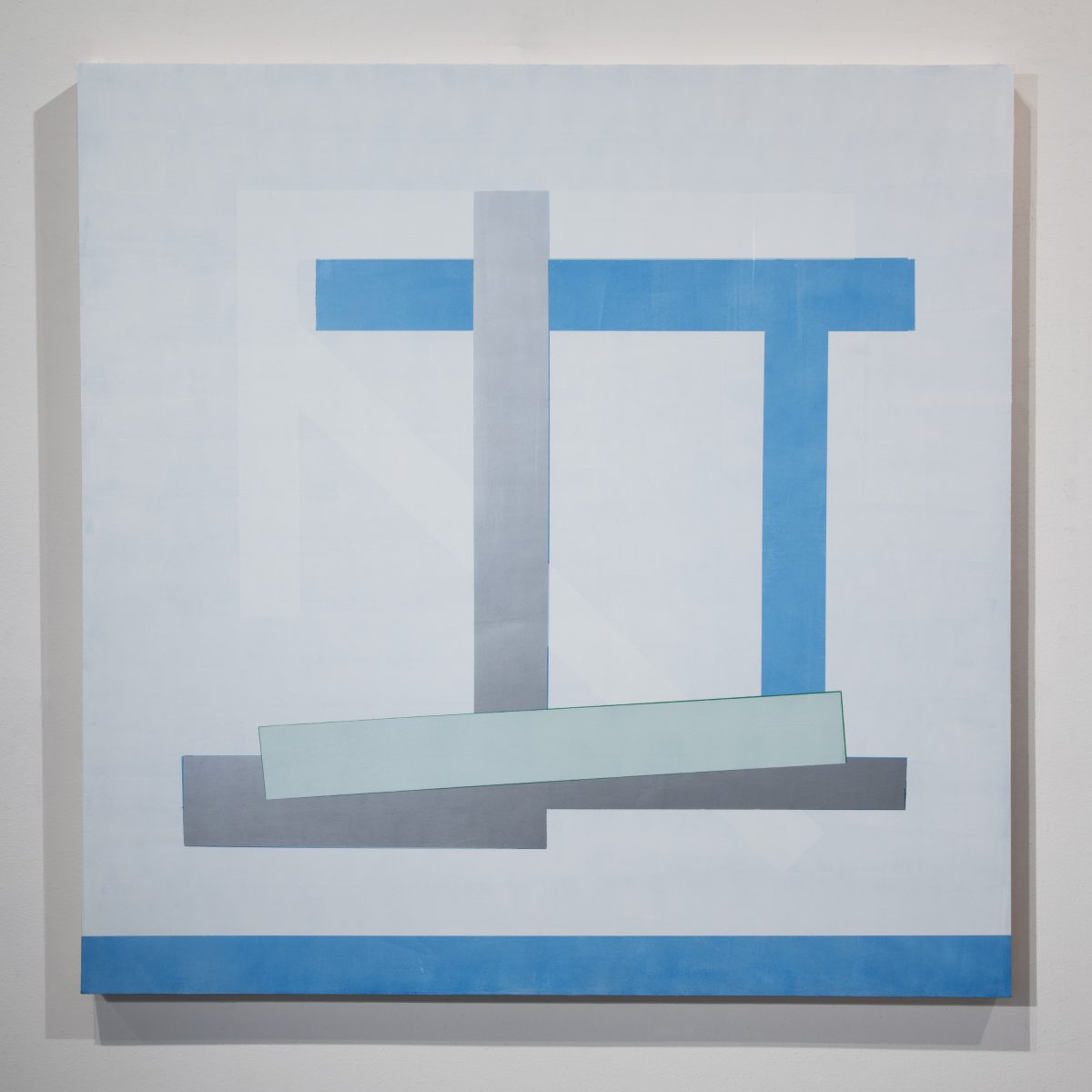
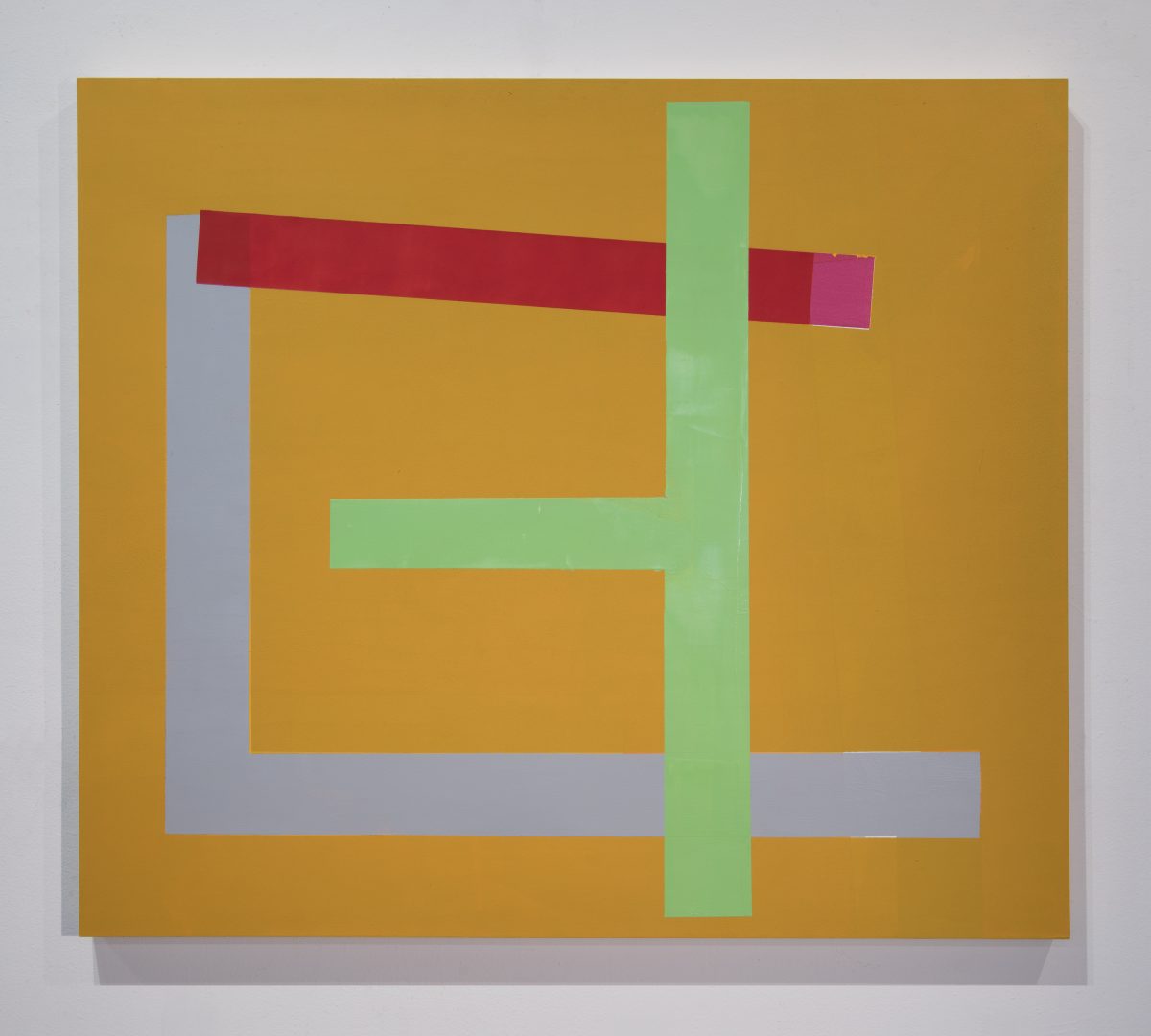
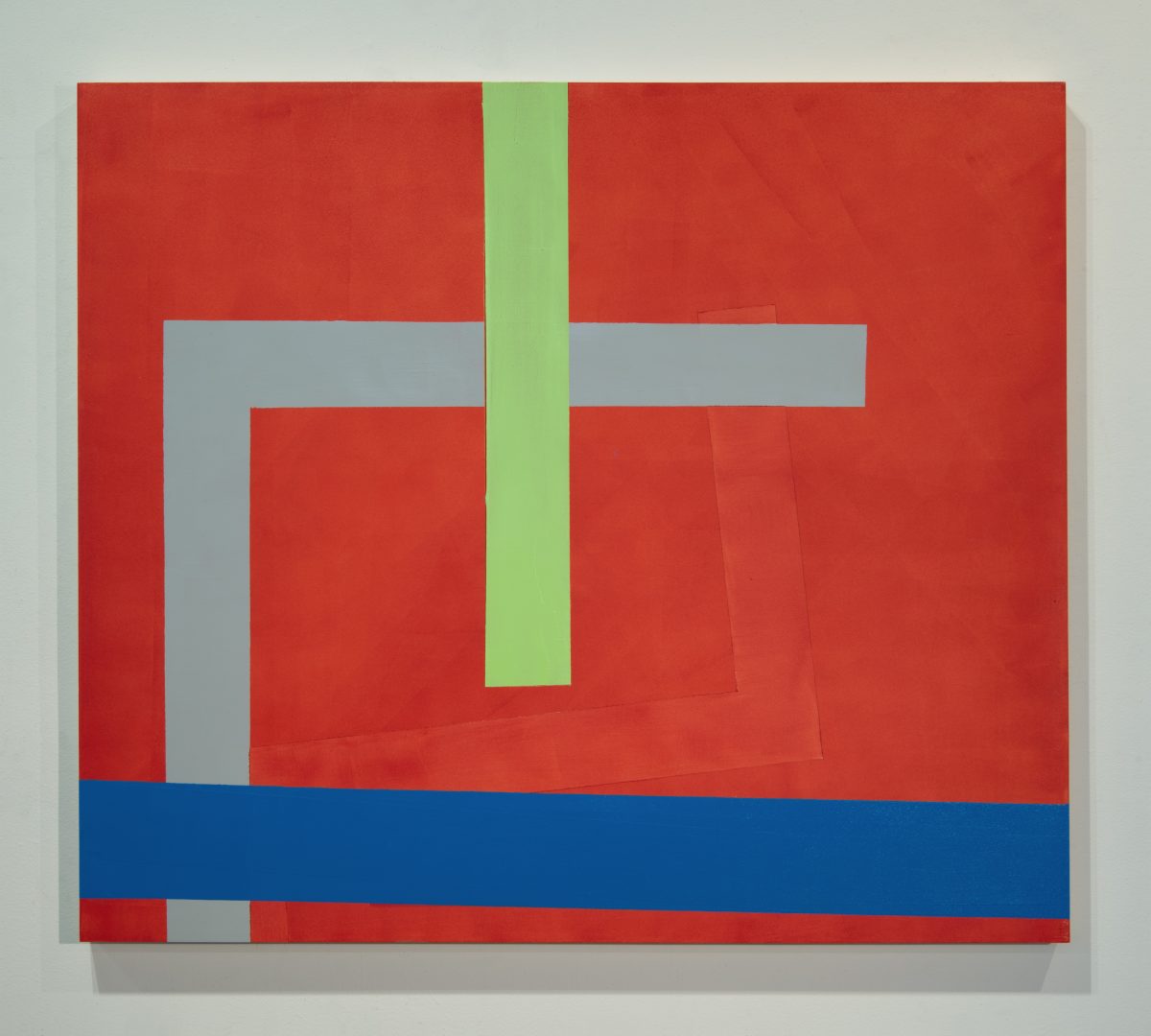
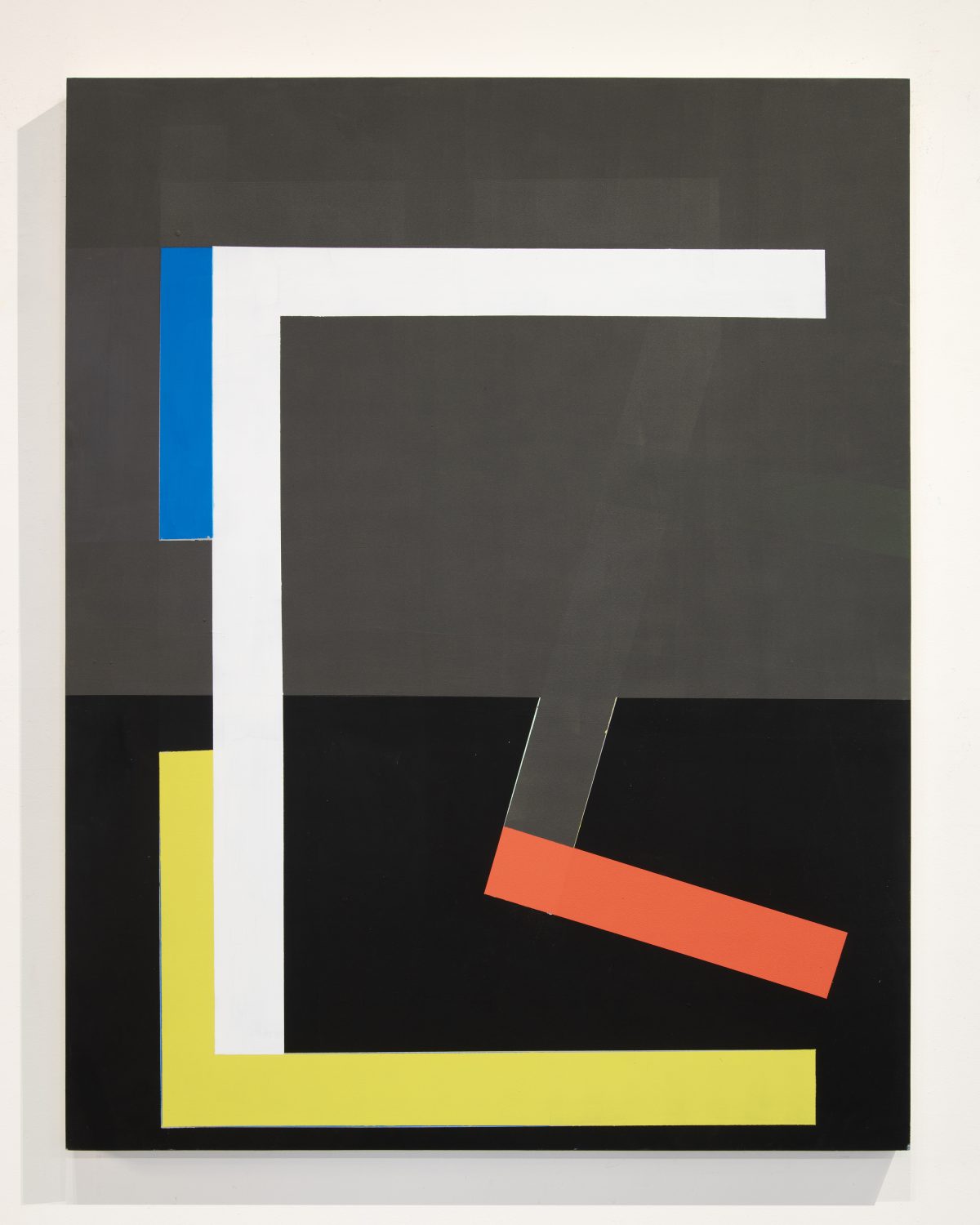
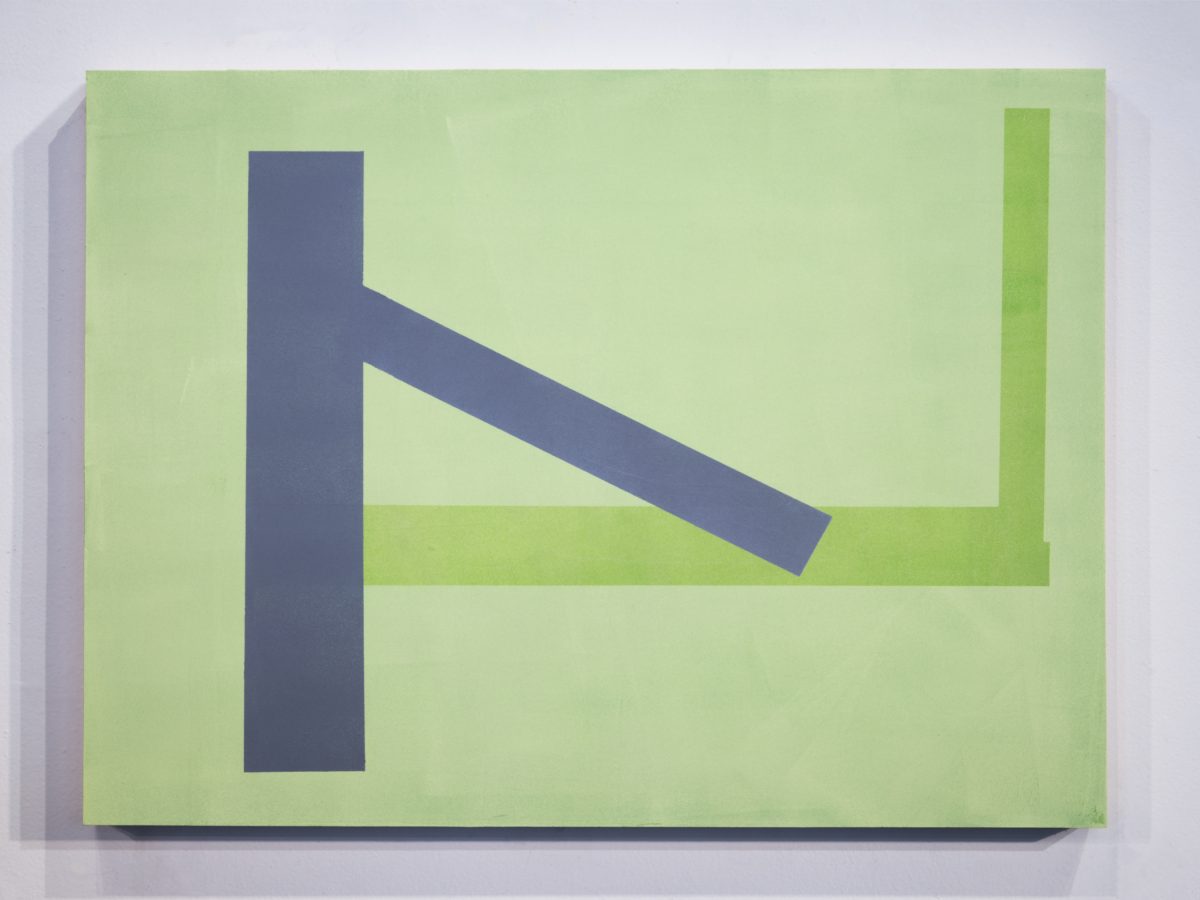
At Haw Contemporary, Woodfill presented Stereophonic / Semaphoric in 2022, a broad investigation developed largely during the isolation of the pandemic and centered on functional, mechanical, visual, and perceptual systems. He returned with Draft Set in 2025, revisiting formal elements and working strategies that have emerged throughout his practice over time.
Woodfill has exhibited at institutions including the Nelson-Atkins Museum of Art, Nerman Museum of Contemporary Art, Kemper Museum of Contemporary Art, Contemporary Art Museum St. Louis, and Bemis Center for Contemporary Arts.
His public projects have received numerous awards from the American Institute of Architects, and his work has twice been selected for Americans for the Arts/Public Art Network's annual Year in Review.
Woodfill graduated from the Kansas City Art Institute in 1980 and later joined its faculty, where he served as Professor and William T. Kemper Distinguished Chair in Painting.
Across gallery installations, public commissions, architectural collaborations, and urban projects, Woodfill approaches art as a way of organizing attention. His work directs viewers toward phenomena that are easily overlooked—the rotation of an object, the movement of a shadow, the rhythm of a machine, the architecture surrounding an artwork, or the patterns through which people move across a city.
Gallery Exhibitions
- Draft Set 3/21/2025 – 5/17/2025
- Stereophonic / Semaphoric 1/28/2022 – 3/19/2022
Museum & Institutional Exhibitions
- Pattern Languages, Greenlease Gallery, Rockhurst University, Kansas City, MO 2017 (Group)
- State of the World, H&R Block Artspace, Kansas City Art Institute, Kansas City, MO 2017 (Group)
- The Center is a Moving Target, Kemper Museum of Contemporary Art, Kansas City, MO 2015 (Group)
- Transmissions / Signals, UMKC Gallery of Art, Kansas City, MO 2015 (Two-Person)
- Sum Minus, La Esquina, Charlotte Street Foundation, Kansas City, MO 2013 (Group)
- Fragments, Review Exhibition Space, Kansas City, MO 2010 (Solo)
- Stations, Bemis Center for Contemporary Arts, Omaha, NE 2010 (Solo)
- Things To Be Next To, La Esquina, Charlotte Street Foundation, Kansas City, MO 2010 (Group)
- Rehab, Review Exhibition Space, Kansas City, MO 2007 (Solo)
- Systems, Working Drawings, Paragraph Gallery, Charlotte Street Foundation, Kansas City, MO 2007 (Group)
- Truck, White Flag Projects, St. Louis, MO 2007 (Group)
- Critics Select 2006, The Shore Institute of the Contemporary Arts, Long Branch, NJ 2006 (Group)
- Wichita Lure Project, Wichita Art Museum, Wichita, KS 2002 (Solo)