Bio
Richard E. Loftis (1938–2010) was an American photographer whose remarkably wide-ranging practice encompassed landscape, portraiture, the human figure, aviation, architecture, travel, and close studies of both natural and mechanical forms. Based in the Kansas City region for much of his career, Loftis was known for the technical precision of his photographs and for an approach grounded in attentive observation, clarity, and a deep belief in photography's ability to preserve the experience of a particular place and moment.
Born in Spring Hill, Kansas, Loftis developed an interest in photographs early in life, initially through looking at family pictures with his mother. He received his first camera as a young teenager at roughly the same time he was learning to fly, beginning a lifelong fascination with both photography and aviation. Airplanes would remain an important subject throughout his career, while the experience of flight introduced him early to the possibilities of seeing familiar landscapes from unfamiliar perspectives.
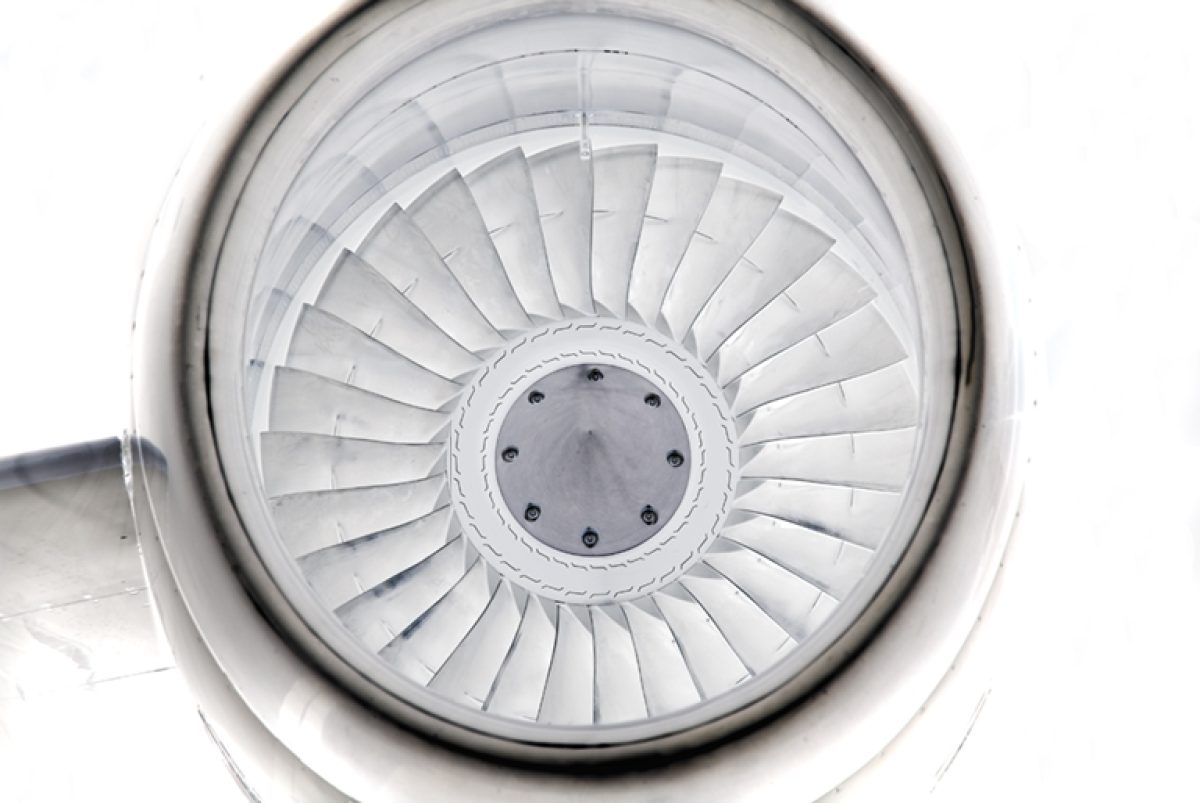
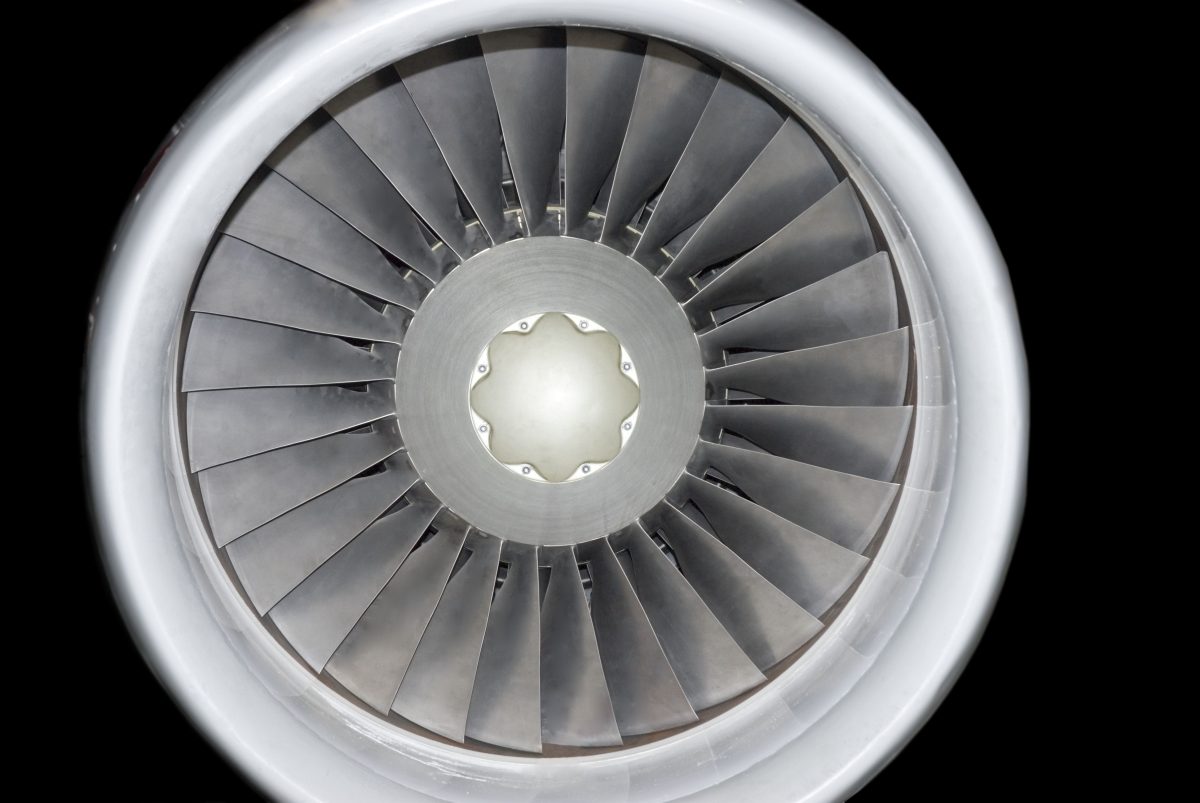
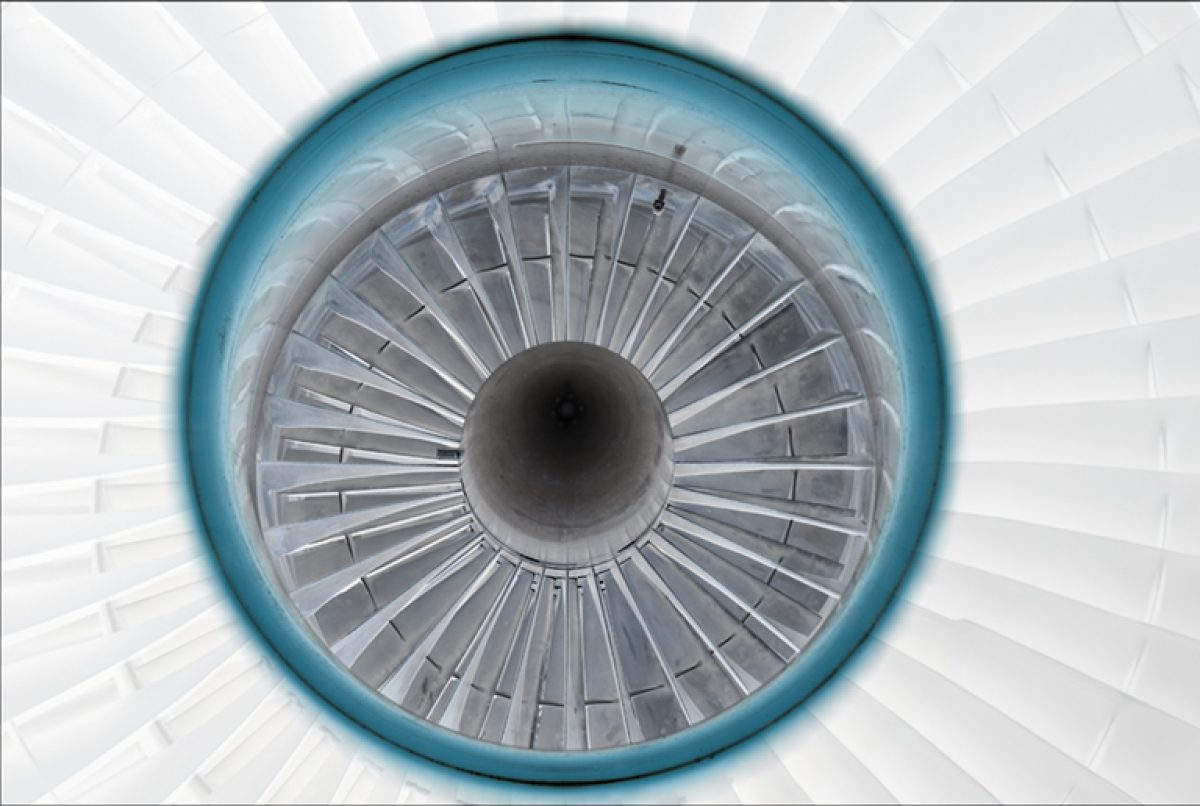
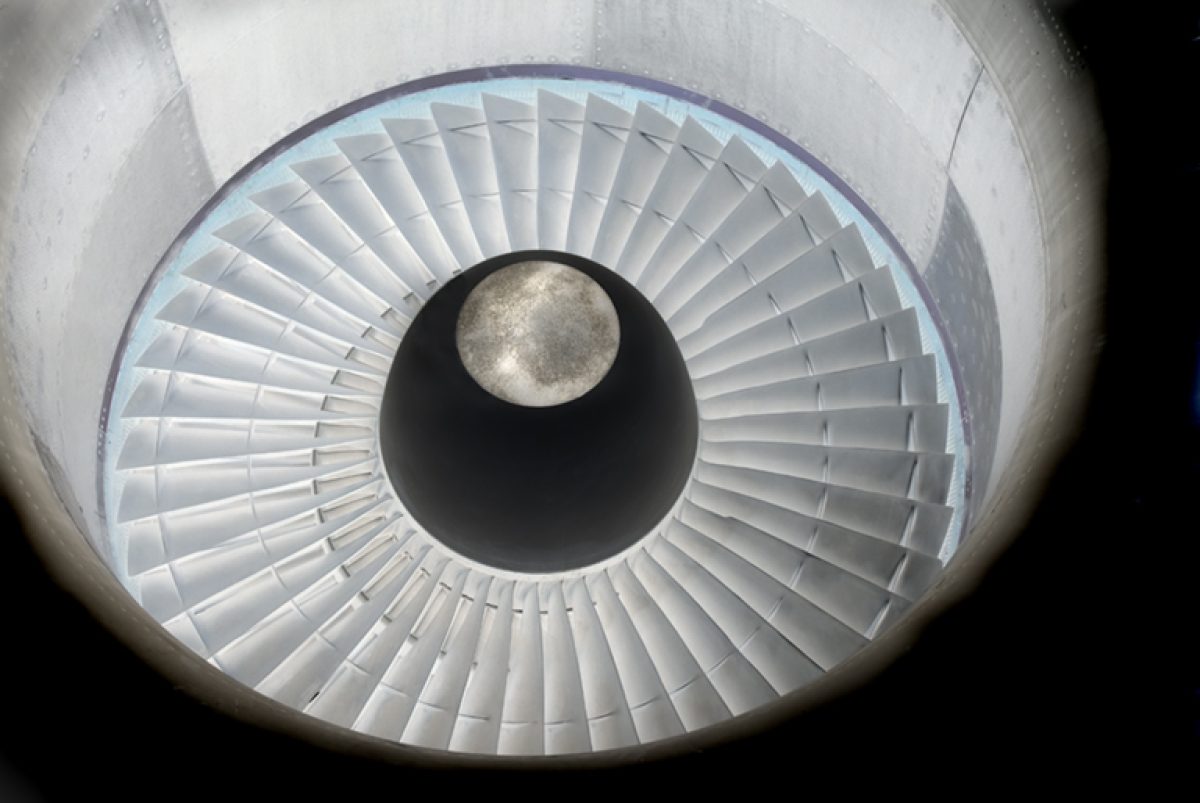
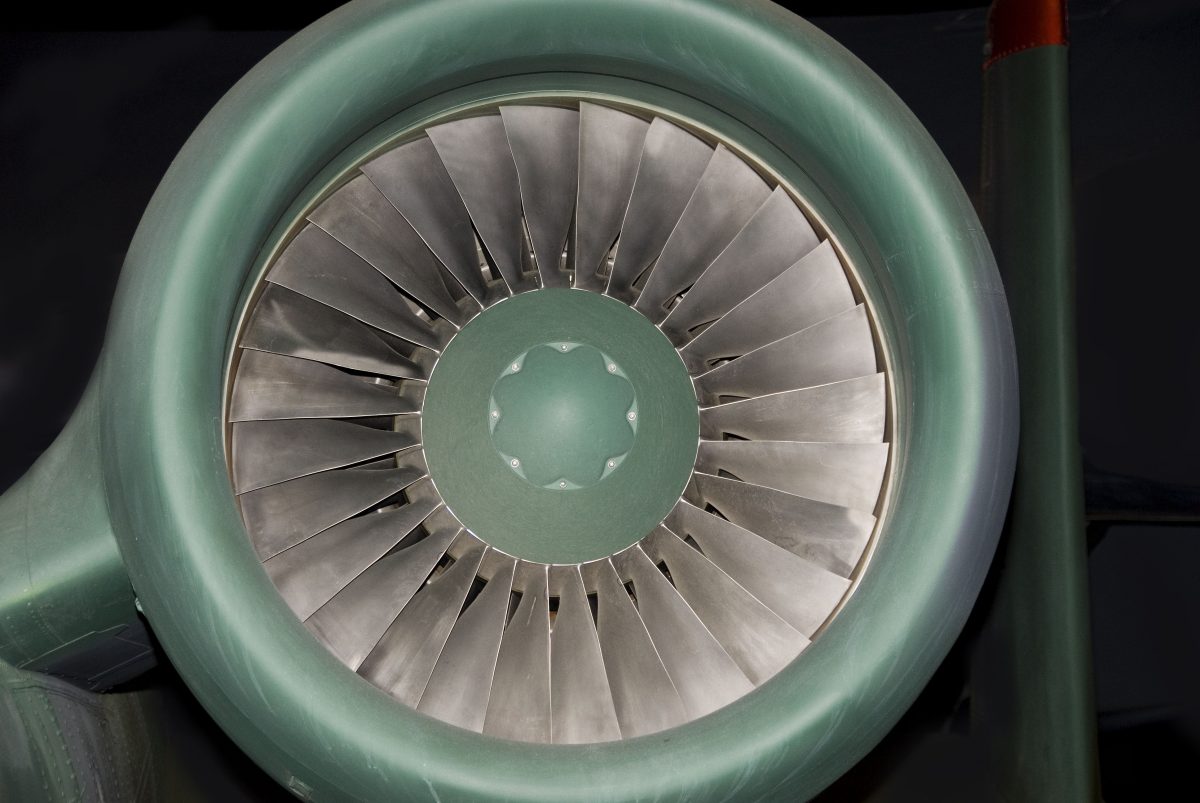
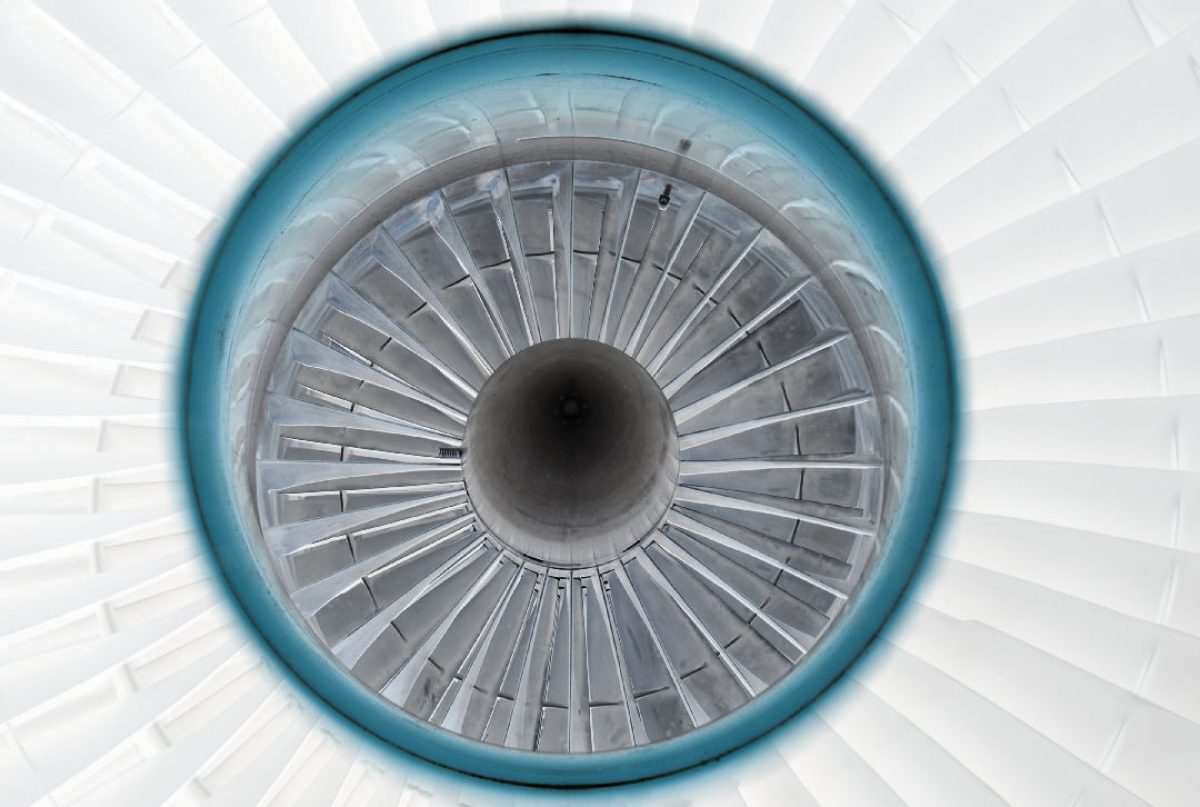
Before devoting himself fully to photography, Loftis worked as a technical illustrator and design engineer for Westinghouse and Western Electric, producing highly detailed assembly drawings that included jet engines for Navy fighter aircraft. The precision and analytical discipline required by that work would find a parallel in his photographic practice, particularly in his command of large-format cameras, exposure, and darkroom printing.
Largely self-taught as a photographer, Loftis immersed himself in the history and technique of the medium beginning in the late 1960s. He was particularly influenced by Edward Weston, Wynn Bullock, Walker Evans, and photographers associated with the Farm Security Administration. In 1973, he attended an Ansel Adams workshop in Yosemite, an experience that proved formative; Loftis subsequently became friends with Adams and visited him during the years before Adams's death in 1984.
Loftis became an accomplished practitioner of large-format photography, working with cameras ranging from 35mm to an 8×10-inch view camera and printing his own gelatin silver photographs in the darkroom. His black-and-white prints are distinguished by their tonal richness and descriptive clarity, but technical mastery was ultimately in service of looking. As Loftis observed, “As a photographer you must be prepared at any instant to react to what you see. The light will never be the same.”
During the 1970s and early 1980s, Loftis frequently photographed the American West, returning to Colorado, Utah, Arizona, and other landscapes associated with the great tradition of twentieth-century American photography. A significant change occurred in 1984, when a commission from Missouri Public Service led him to travel extensively through western Missouri and eastern Kansas. Photographing the region caused Loftis to reconsider the supposedly ordinary landscape around him and recognize that compelling photographs depended less on the grandeur of a subject than on the quality of attention brought to it.
Kansas City and the surrounding region subsequently became important subjects. Photographs of the Kansas City Stockyards, streets, buildings, rural landscapes, farms, and small towns record a changing Midwestern environment without sacrificing the formal rigor that characterized his Western landscapes. His work could move easily from the monumental to the commonplace, finding visual significance in subjects ranging from canyon walls and ancient ruins to weathered buildings, machinery, roads, fields, and automobiles.
The human figure formed another substantial part of Loftis's practice. He worked in both formal and informal portraiture and produced an extensive body of figure studies in which the body became a landscape of line, volume, light, and form. Across these varied subjects, Loftis's photographs are united by a directness of observation and an interest in the relationship among photography, memory, time, and change.
Late in his career, Loftis embraced digital photography with the same technical curiosity he had brought to the darkroom. Digital capture and printing opened new possibilities for color, and his later work included increasingly vivid studies of automobiles, machinery, landscape, and everyday objects. Rather than treating digital photography as a rejection of traditional practice, Loftis approached it as another set of tools through which to extend a lifelong investigation of photographic seeing.
Loftis exhibited extensively throughout the Midwest and beyond. In 2002, the Albrecht-Kemper Museum of Art presented Fifty Years of Photography, a major retrospective surveying his career. Other solo exhibitions included Richard E. Loftis: An Exhibition of Photographs at the Ulrich Museum of Art in Wichita (2000); Vietnam Then and Now at the University of Missouri–St. Louis (1998); First Flight Through Present Fantasy at Dolphin Gallery, Kansas City (1994); and Ins and Outs at Dolphin Gallery (2007). His work was also included in exhibitions at the Nelson-Atkins Museum of Art, Spencer Museum of Art, and Smithsonian American Art Museum, among numerous other institutions.
Loftis's photographs are held in public collections including the Nelson-Atkins Museum of Art, Kansas City; Smithsonian American Art Museum, Washington, D.C.; Museum of Fine Arts, Houston; Spencer Museum of Art, Lawrence; and Daum Museum of Contemporary Art, Sedalia, Missouri, as well as numerous corporate and private collections.
An influential teacher and mentor as well as a photographer, Loftis taught at the Kansas City Art Institute, Johnson County Community College, and Longview Community College and was a founding board member of Kansas City's Society for Contemporary Photography. His generosity with both traditional darkroom techniques and emerging digital technologies made him an important figure within the region's photographic community.
Writing about Loftis's career, Keith F. Davis, then Senior Curator of Photography at the Nelson-Atkins Museum of Art, described him as “one of the most dedicated and influential photographers in the Midwest.” Across more than fifty years of image-making, Loftis combined extraordinary technical discipline with an enduring curiosity about the visible world, creating a body of work that moves between the expansive and the intimate, the extraordinary and the everyday.