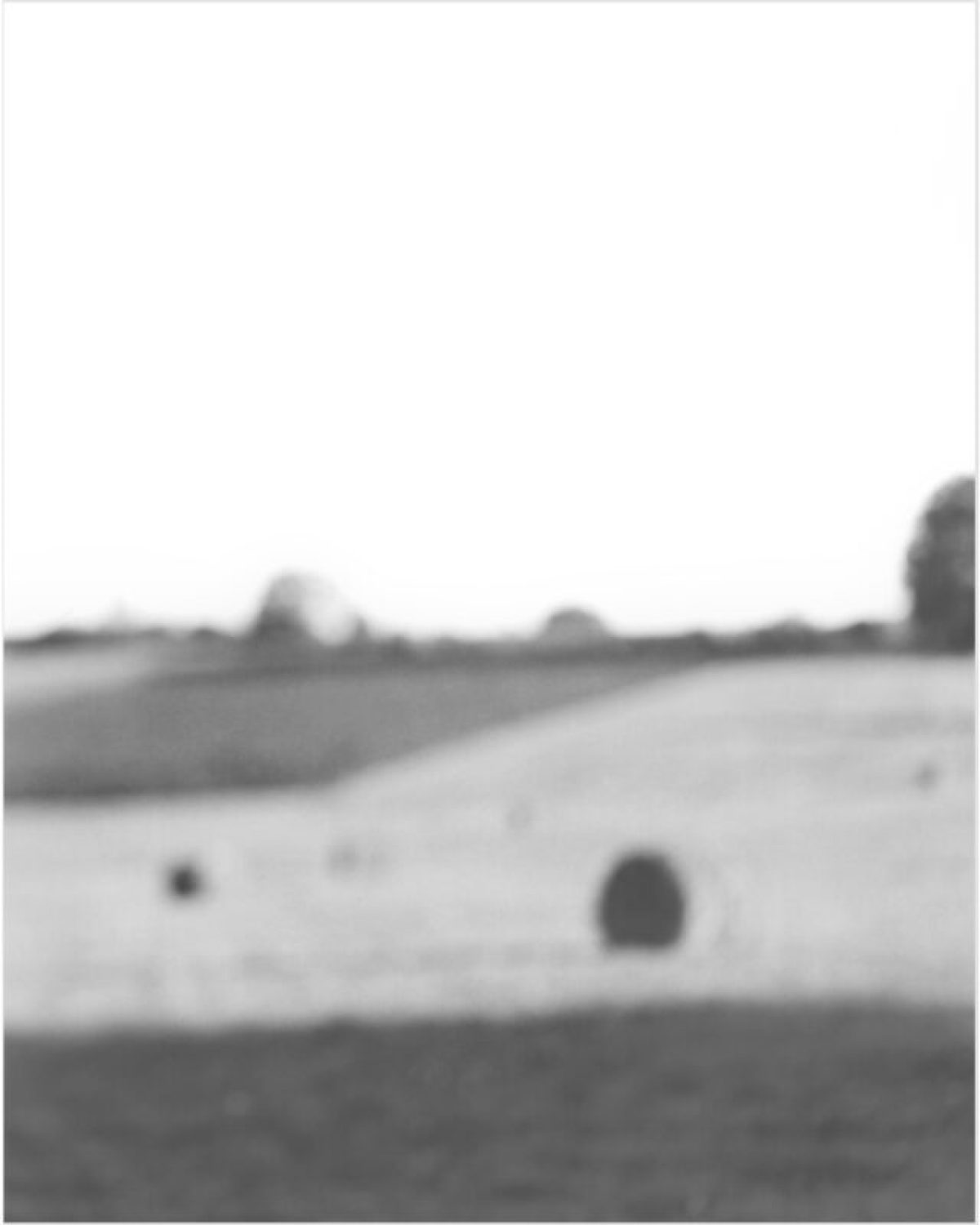
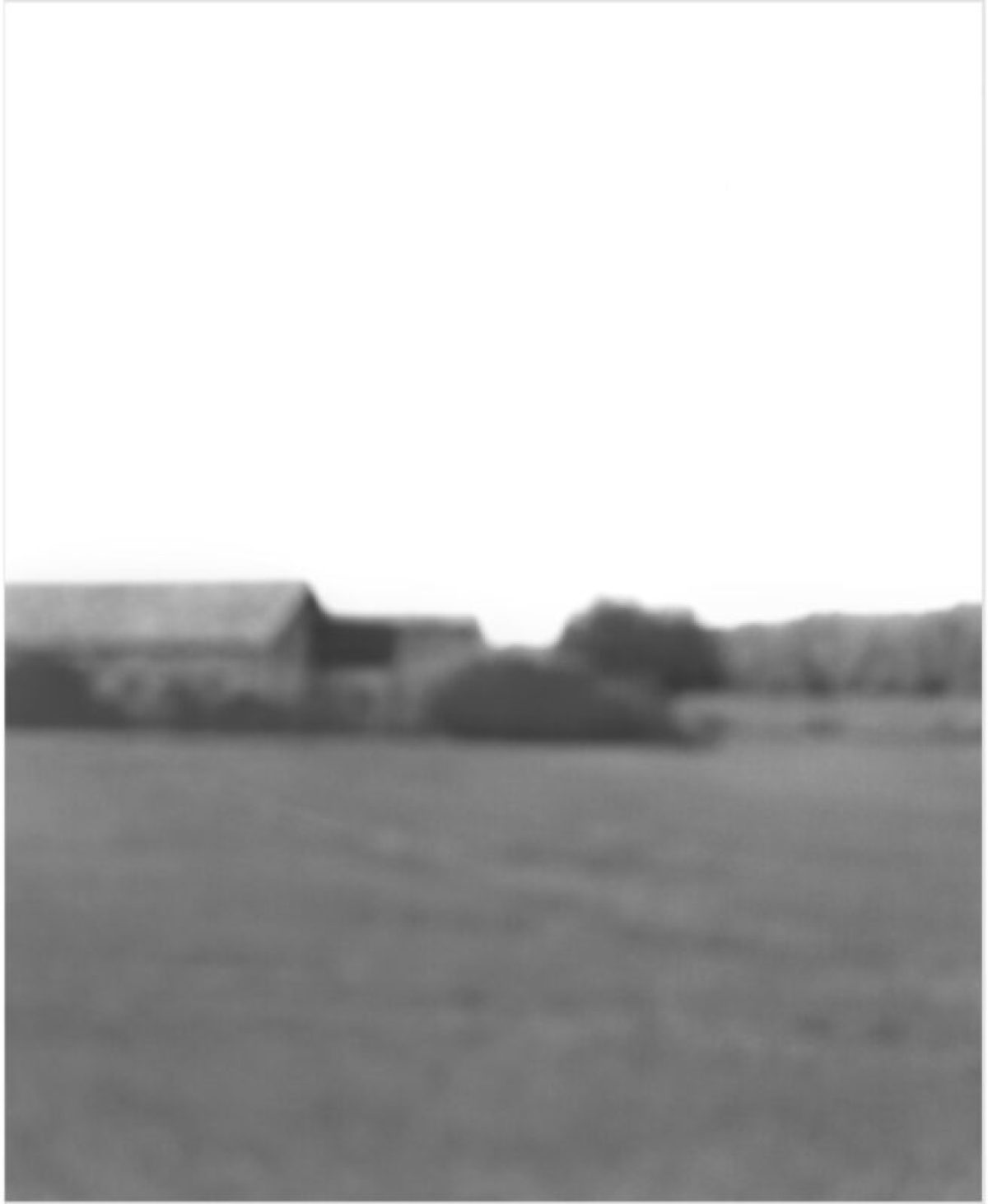
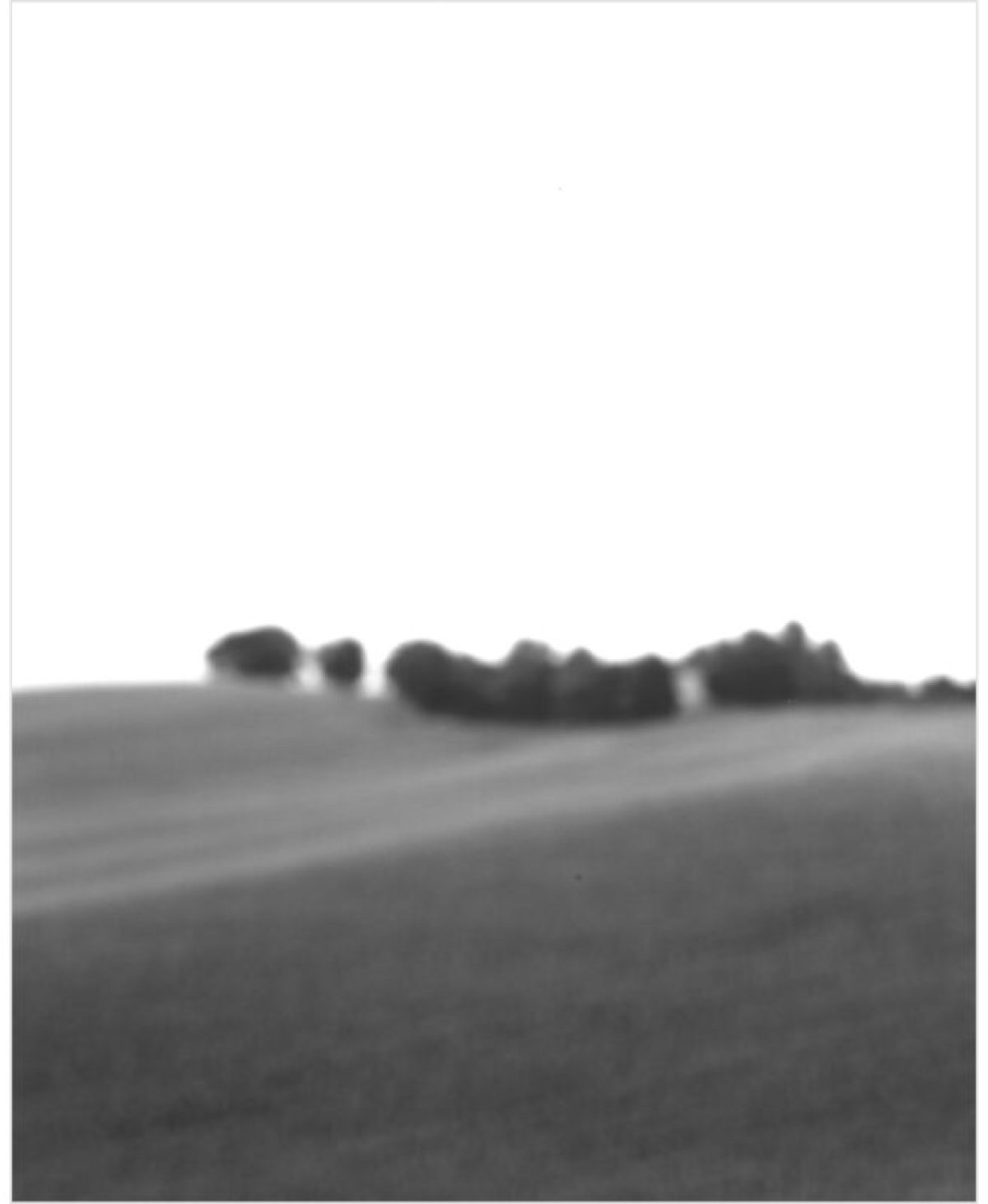
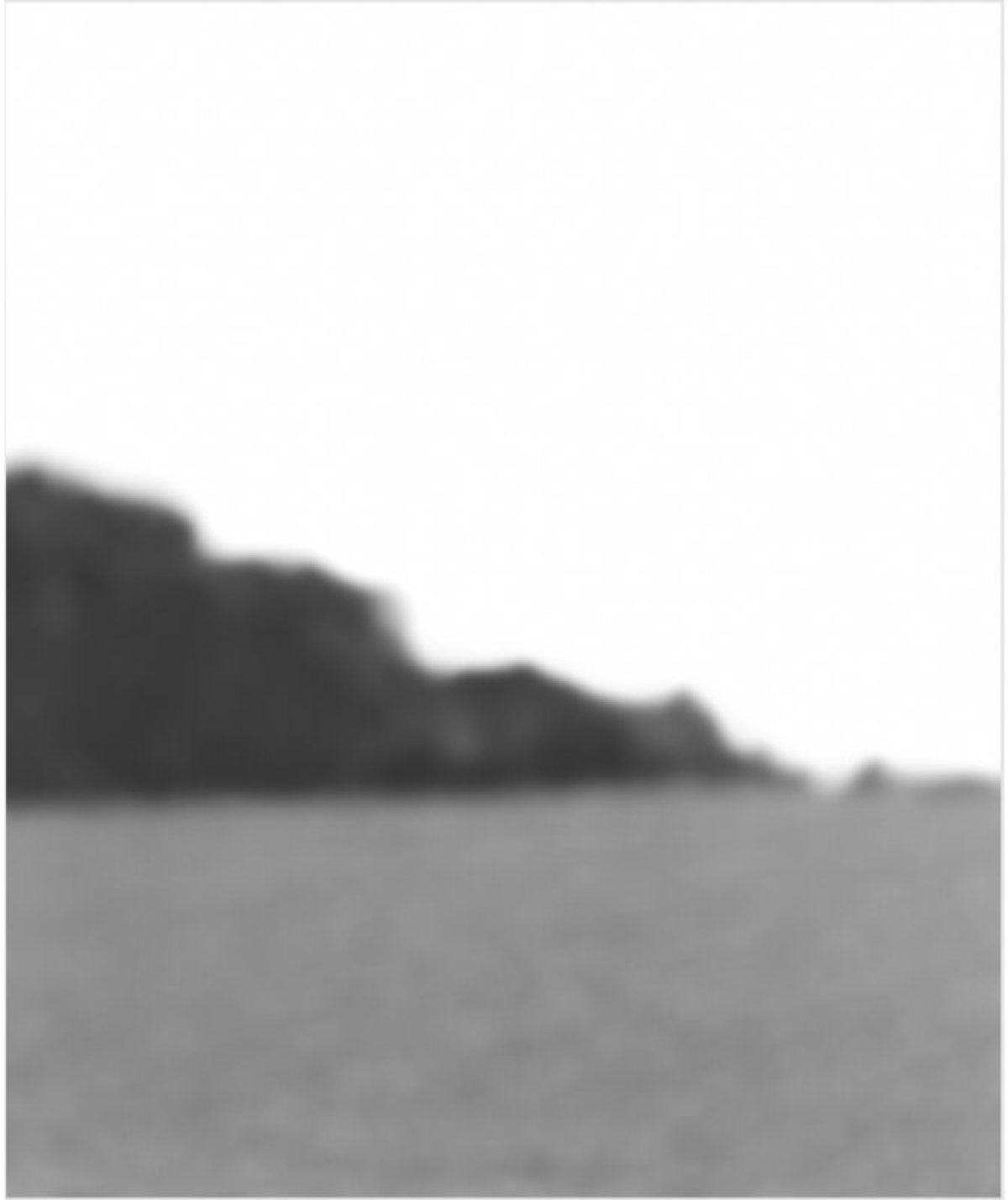
Bill Jacobson (b. 1955, Norwich, Connecticut) is an American photographer whose work has explored perception, memory, absence, and the unstable relationship between photographic description and lived experience for more than four decades. Emerging during the AIDS crisis in New York, Jacobson became widely known for radically defocused photographs in which figures, landscapes, and objects dissolve into fields of light and shadow. His subsequent work moved into sharp focus while maintaining a consistent interest in memory, perception, and what photographs can—and cannot—preserve.
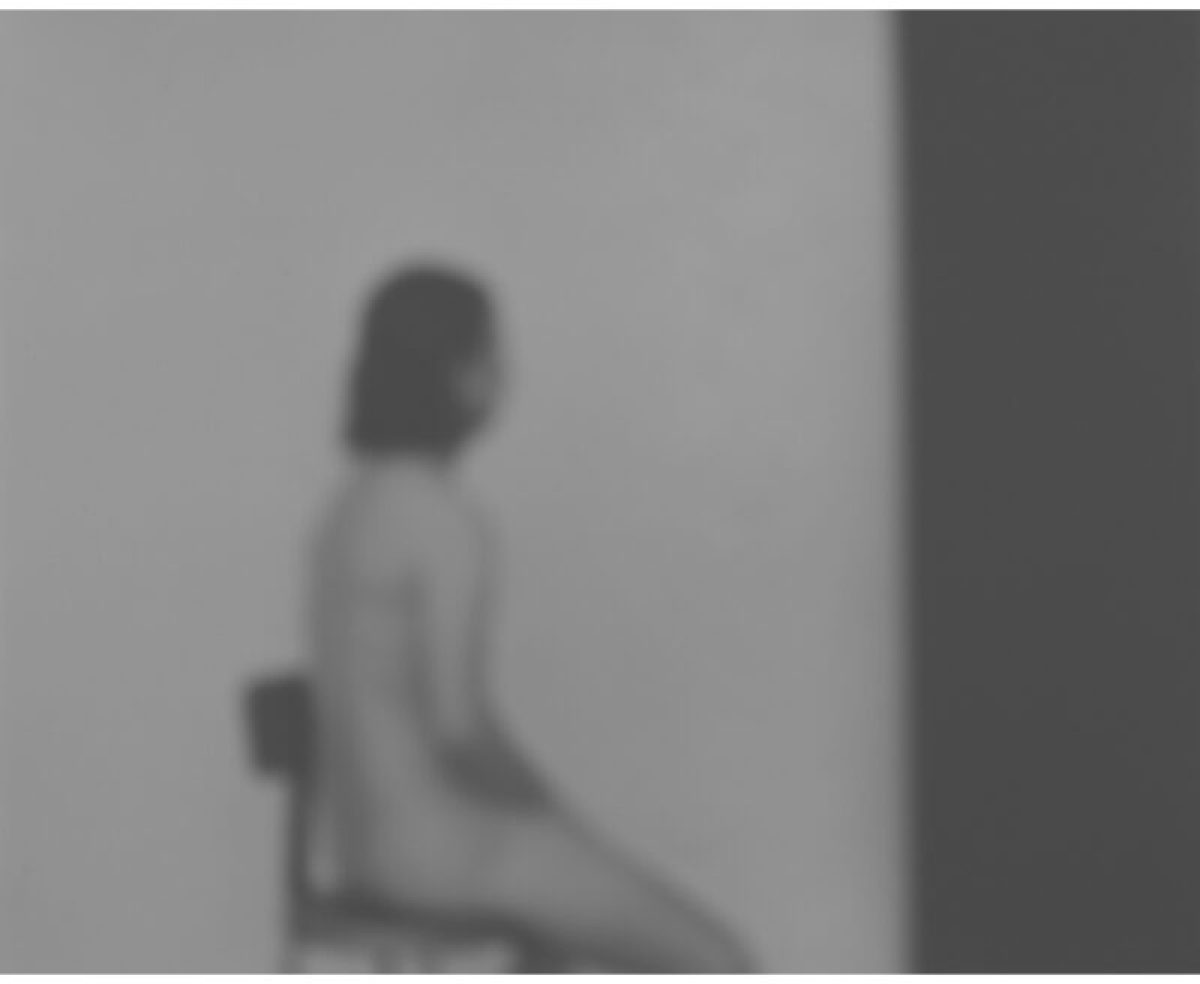
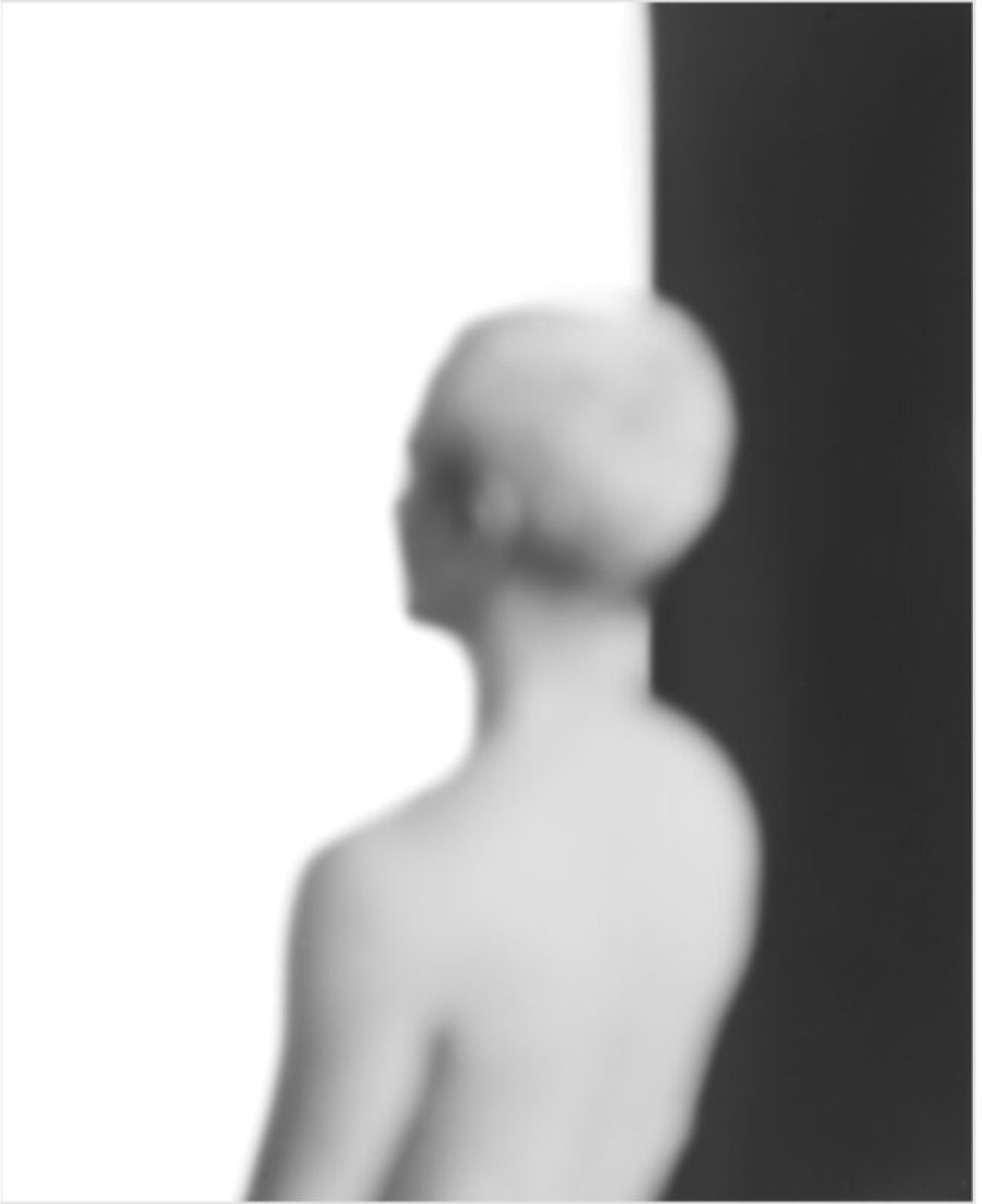
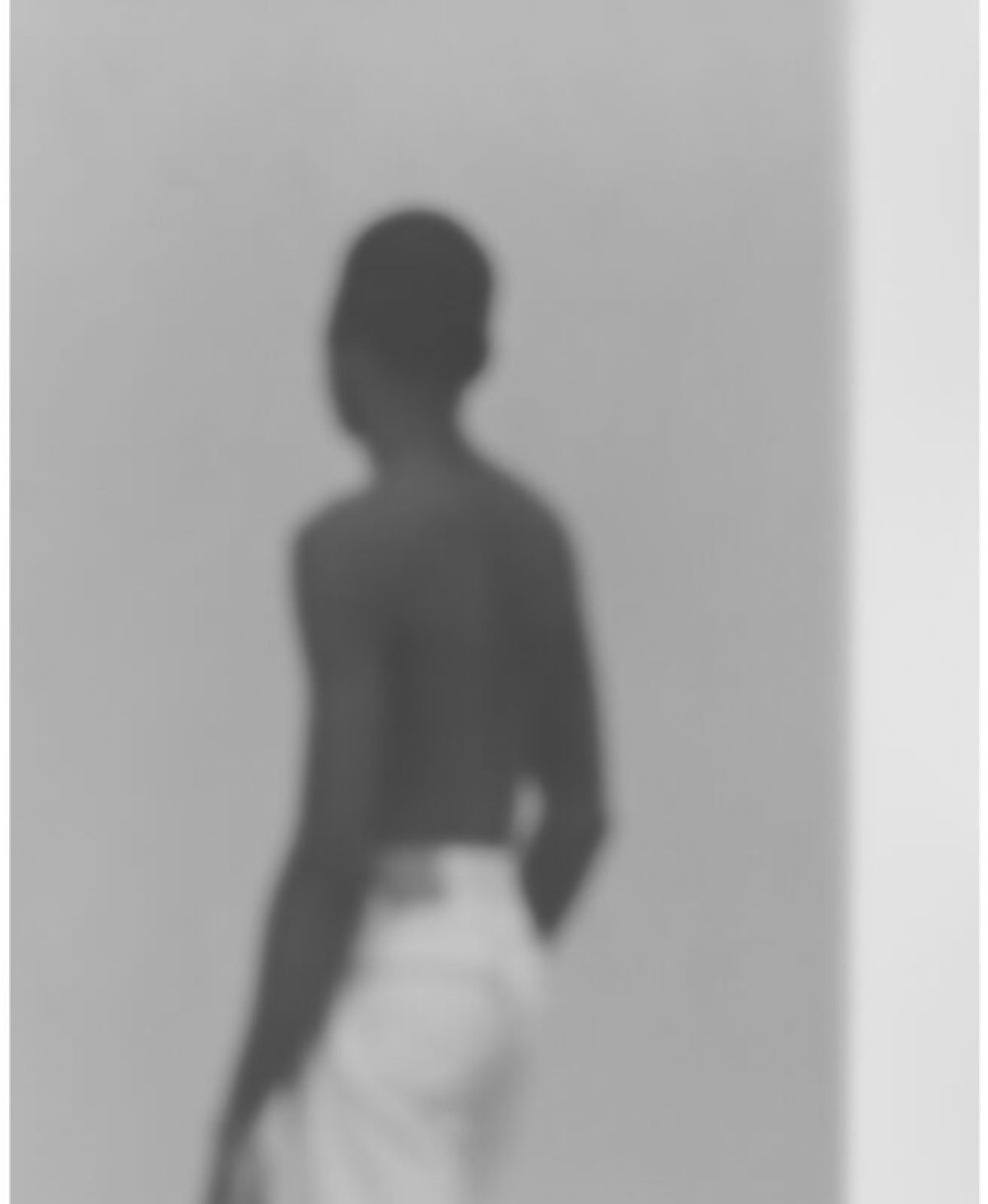
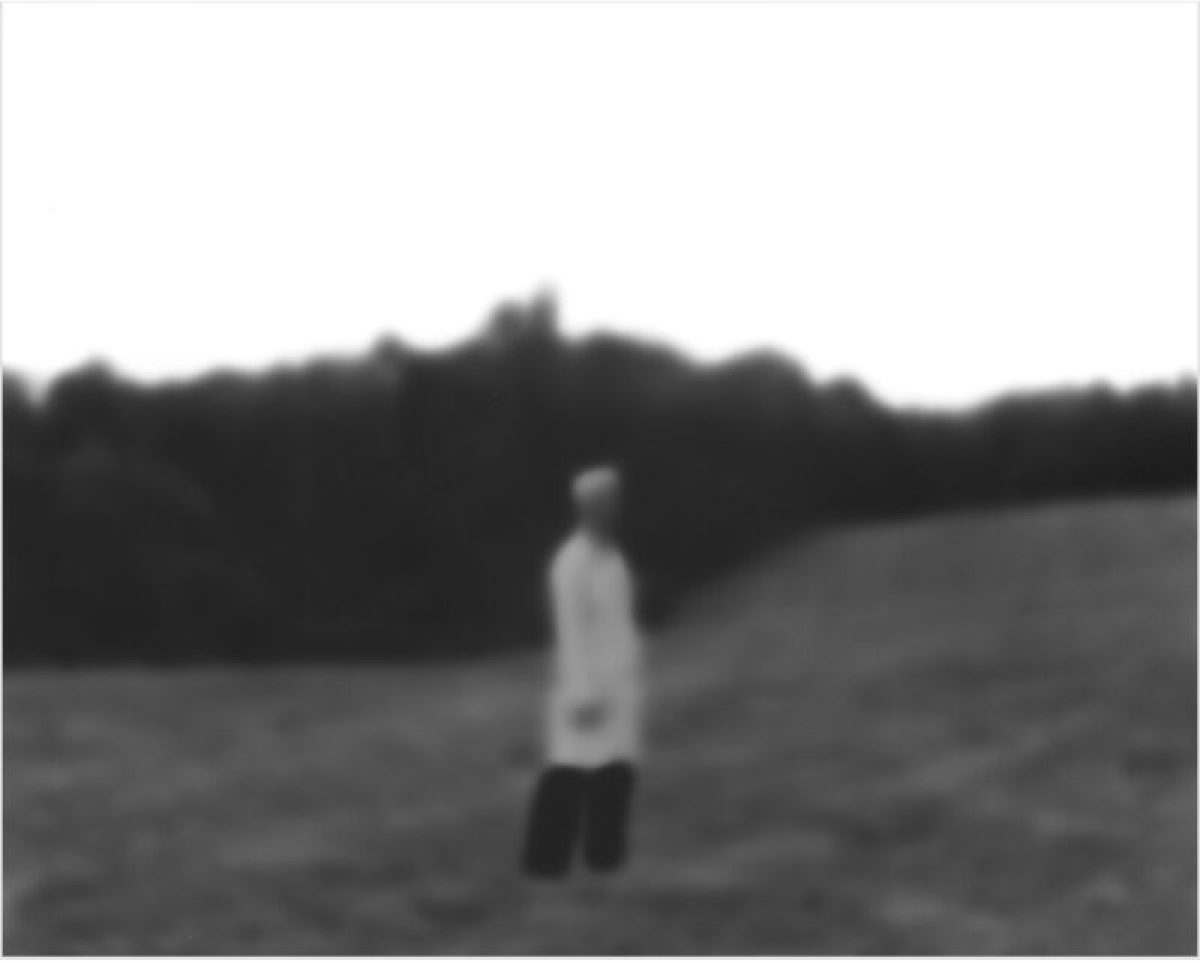
Jacobson began making his signature defocused photographs in 1989. The early Interim Portraits emerged during the height of the AIDS epidemic, when illness and loss were profoundly affecting his community and the New York art world. Pale, indistinct figures appear to hover at the threshold of visibility, simultaneously present and disappearing. By refusing the descriptive clarity traditionally associated with portraiture, Jacobson used photographic blur to address absence, memory, loss, and the difficulty of capturing a human likeness.
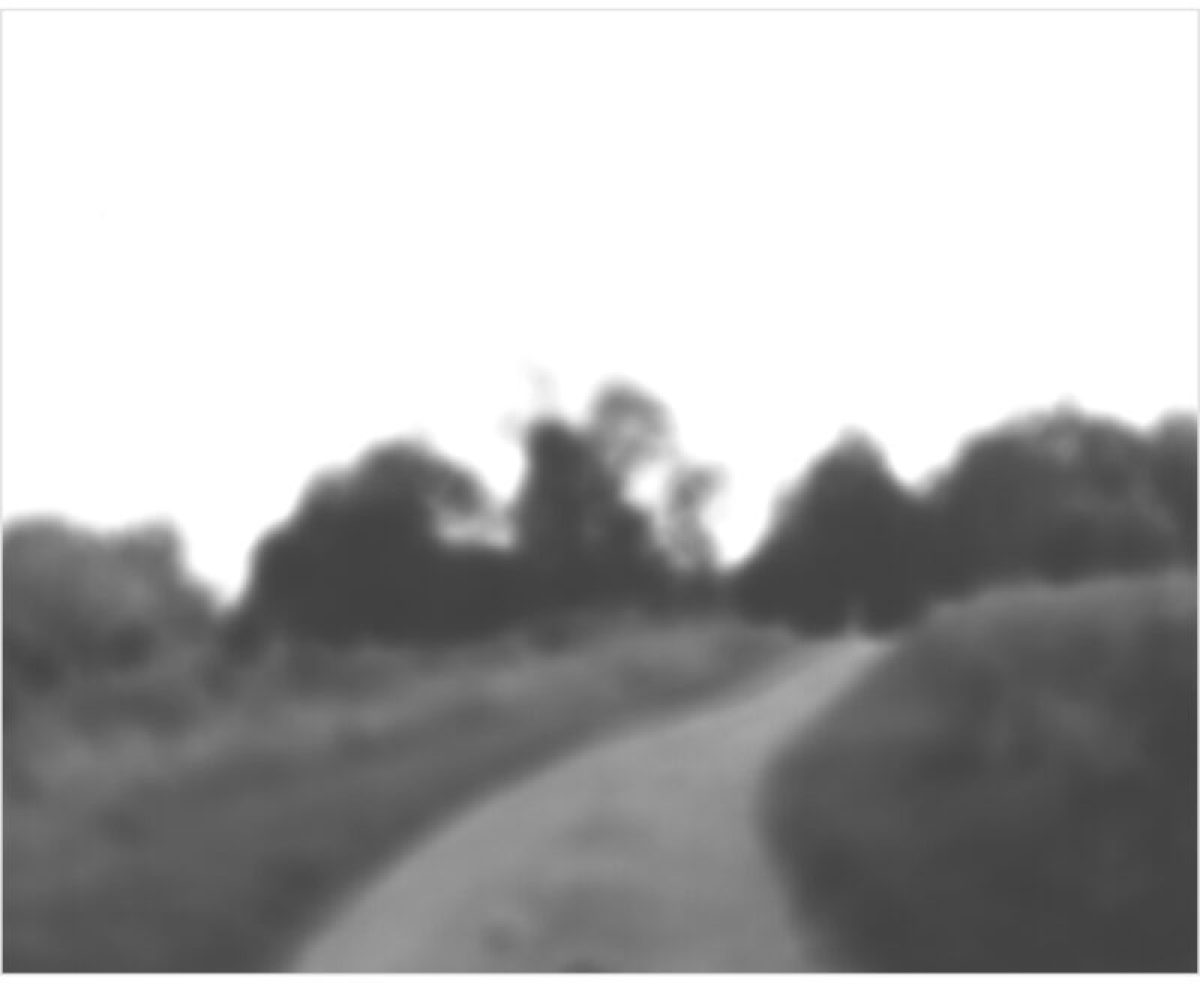
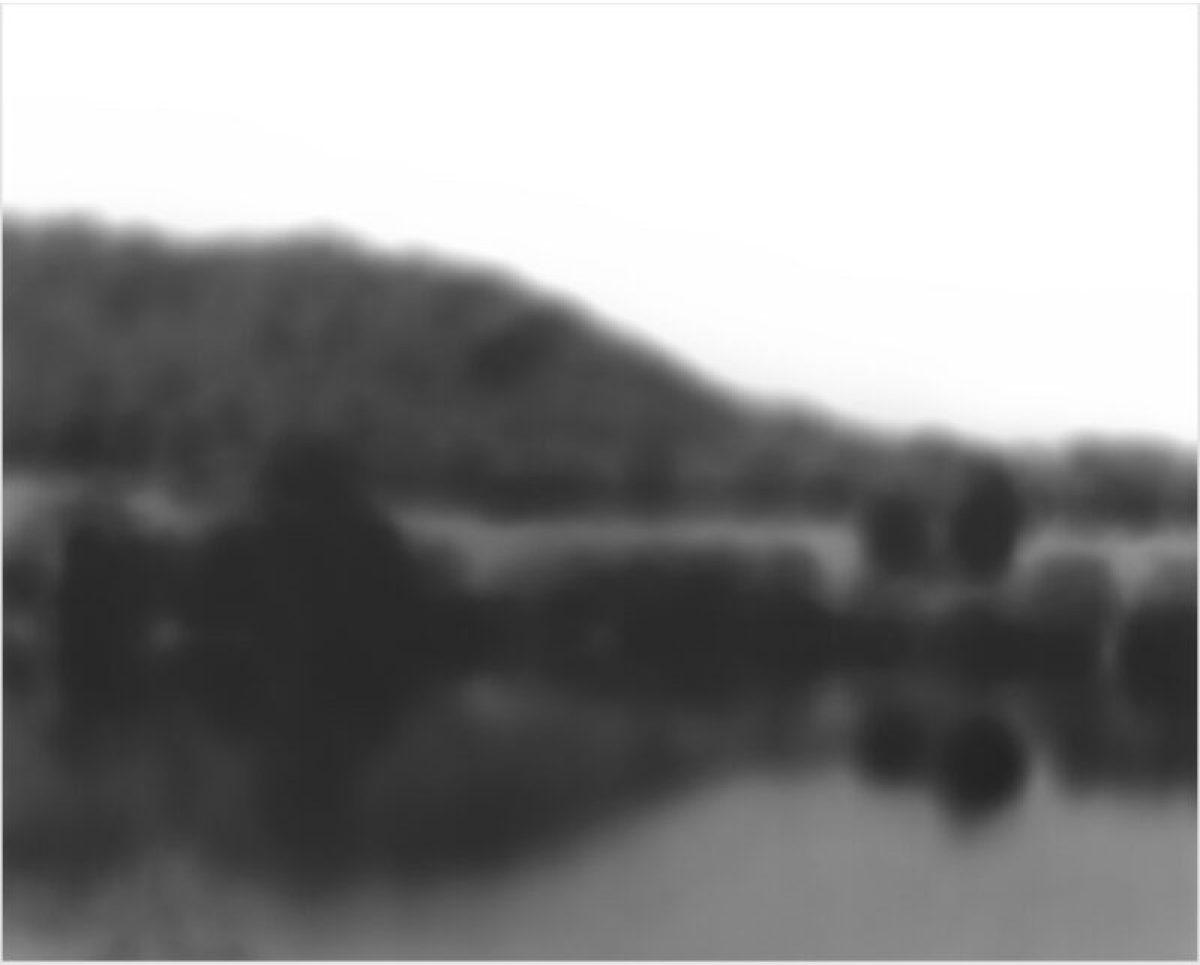
This investigation continued through bodies of work including Song of Sentient Beings and the Thought Series. In Song of Sentient Beings, ghostly figures emerge against deep-black backgrounds, while the later Thought Series encompasses subjects ranging from tightly cropped faces and clothing to fields of grass and surfaces of water. Jacobson's first monograph, Bill Jacobson 1989–1997, published by Twin Palms in 1998, brought together this formative period of his practice.
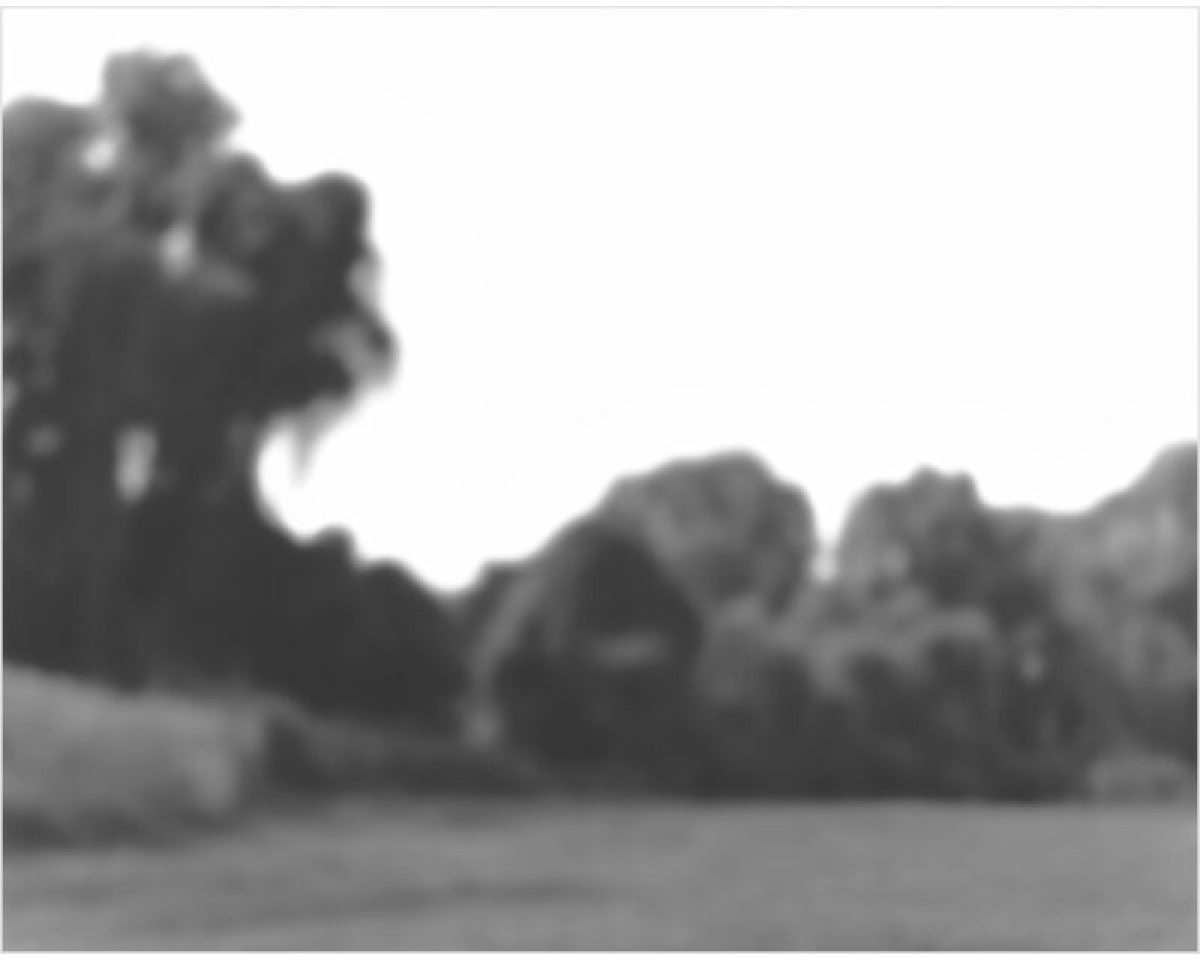
Following a trip to India in 1999, Jacobson began working in color and turned his attention toward urban and rural landscapes. Series including Untitled and New Year's Day retained the visual uncertainty of his earlier photographs while expanding his subjects beyond the figure. Roads, trees, buildings, water, and other elements of the visible world became vehicles for continuing his investigation of perception and memory. This work was collected in his second monograph, Photographs, published by Hatje Cantz in 2005.
In 2003, Jacobson made a decisive shift to working in sharp focus. Rather than abandoning the concerns of his earlier work, he approached them through different means. In A Series of Human Decisions, photographs of architectural details and constructed environments examine the accumulated choices through which people organize physical space. Jacobson has described the series as reflecting a world built from human decisions layered upon one another over time. A monograph of the series was published by Decode Books in 2009.
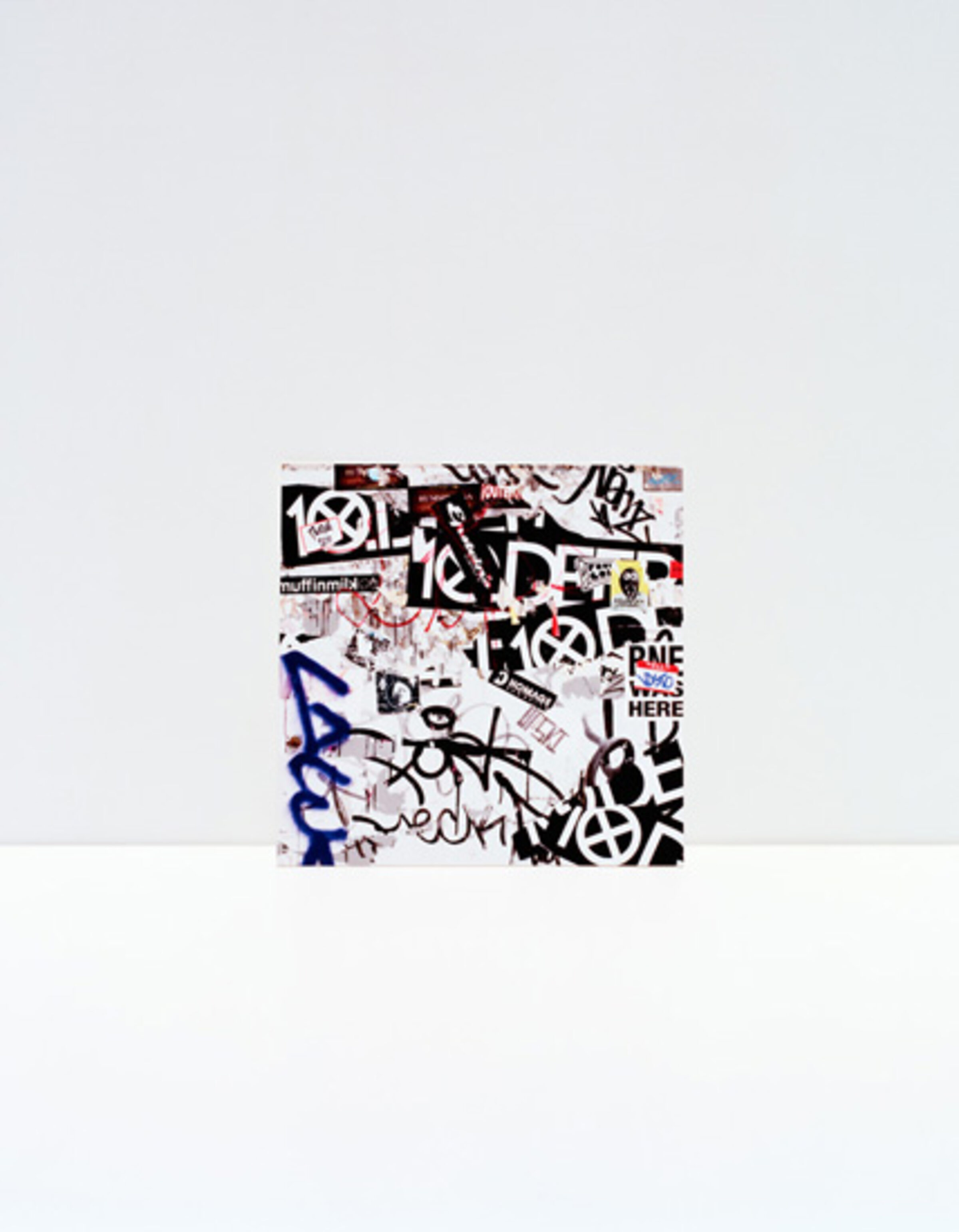
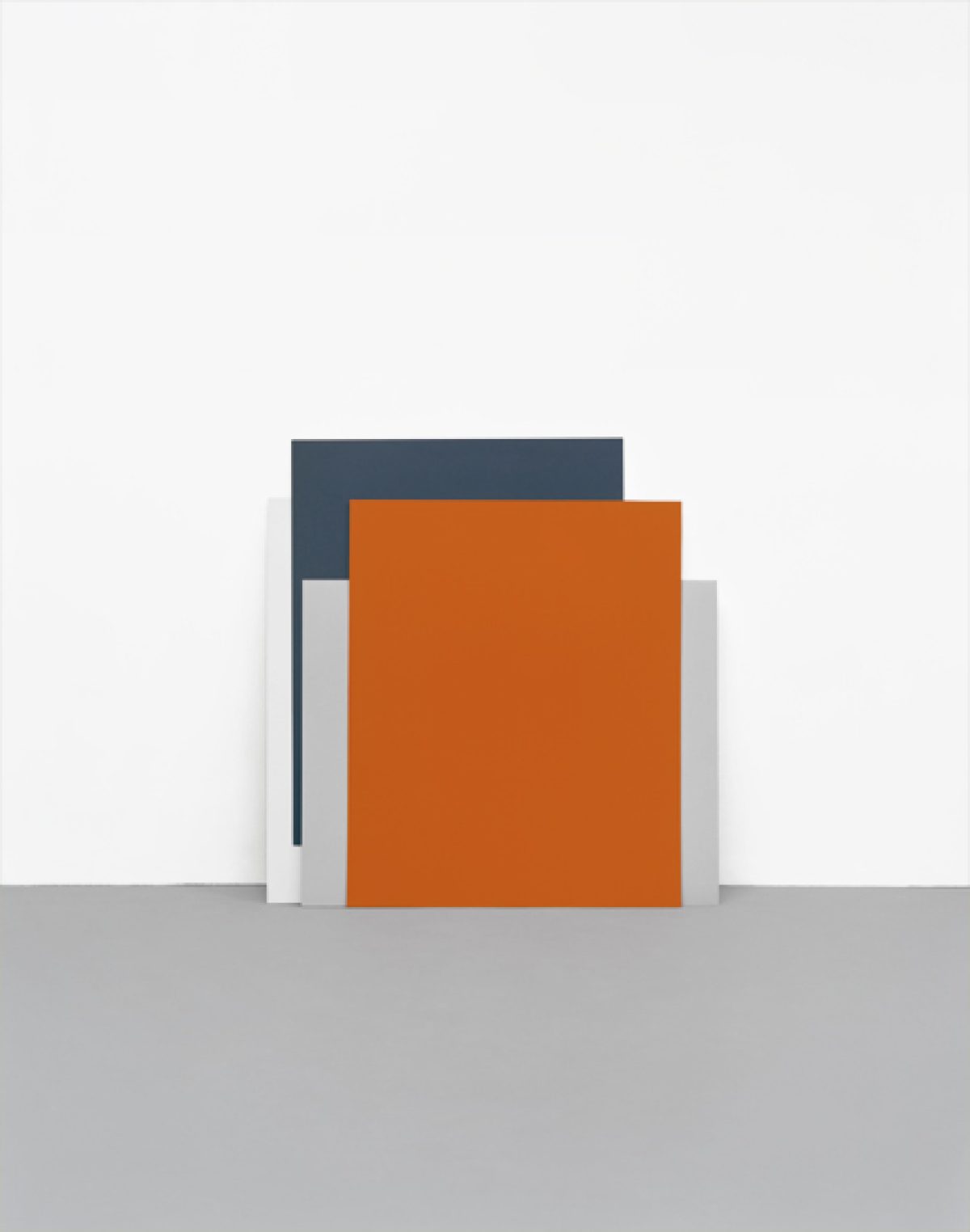
Jacobson's later Place (Series) pushes this investigation toward the boundary between photography and abstraction. For these works, he inserts rectangles of various sizes and surfaces into constructed and natural settings and photographs the resulting interventions. The geometric forms can suggest objects, images, walls, openings, or fragments of architecture, complicating distinctions between foreground and background and between the real and the abstract. Jacobson has described the series as an exploration of how place and space are continually created through choice, need, and desire.
Across these shifts in subject and technique, Jacobson's work has maintained an ongoing concern with memory and perception. Whether a human figure dissolves into blur or a sharply rendered geometric form interrupts a landscape, his photographs question the assumption that photographic description necessarily produces certainty.
Jacobson's photographs are held in major museum collections internationally, including the Solomon R. Guggenheim Museum, Metropolitan Museum of Art, Whitney Museum of American Art, and Brooklyn Museum, New York; San Francisco Museum of Modern Art; J. Paul Getty Museum, Los Angeles; Museum of Fine Arts, Houston; Museum of Fine Arts, Boston; Victoria and Albert Museum, London; Princeton University Art Museum; Nelson-Atkins Museum of Art; Philadelphia Museum of Art; and RISD Museum, among many others.
His work has been exhibited extensively in museums and galleries throughout the United States and Europe and has been the subject of numerous solo exhibitions. Jacobson received a John Simon Guggenheim Memorial Foundation Fellowship in 2012.
His publications include Bill Jacobson 1989–1997 (Twin Palms, 1998), Photographs (Hatje Cantz, 2005), A Series of Human Decisions (Decode Books, 2009), Place (Series) (Radius Books, 2015), figure, ground (Some Planes Press, 2017), 945 Madison Avenue (Some Planes Press, 2017), and when is a place (2023).
Jacobson received his BA from Brown University in 1977, pursuing an independent concentration in Art and American Studies that included photography courses at the Rhode Island School of Design, and his MFA in Photography from the San Francisco Art Institute in 1982.