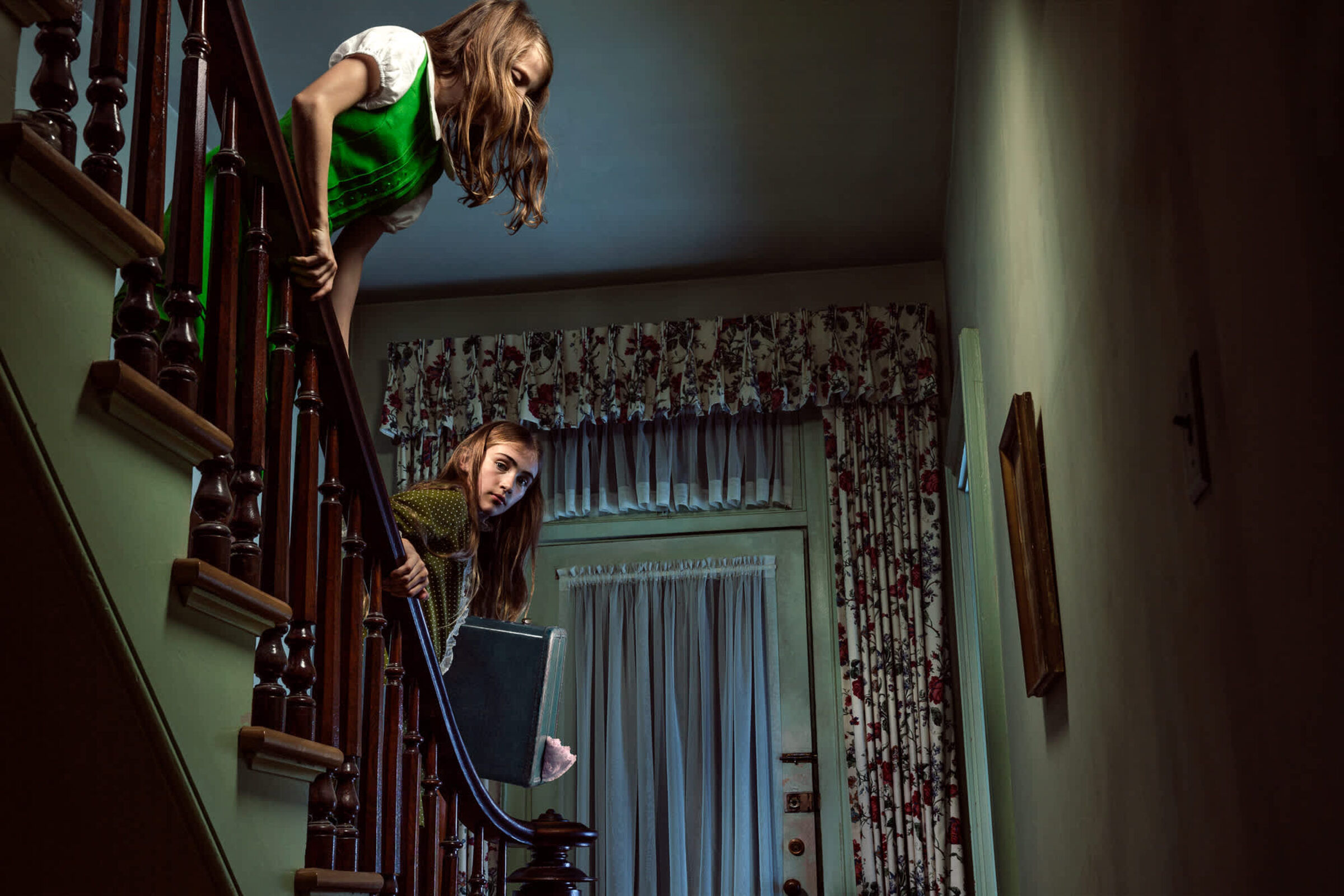
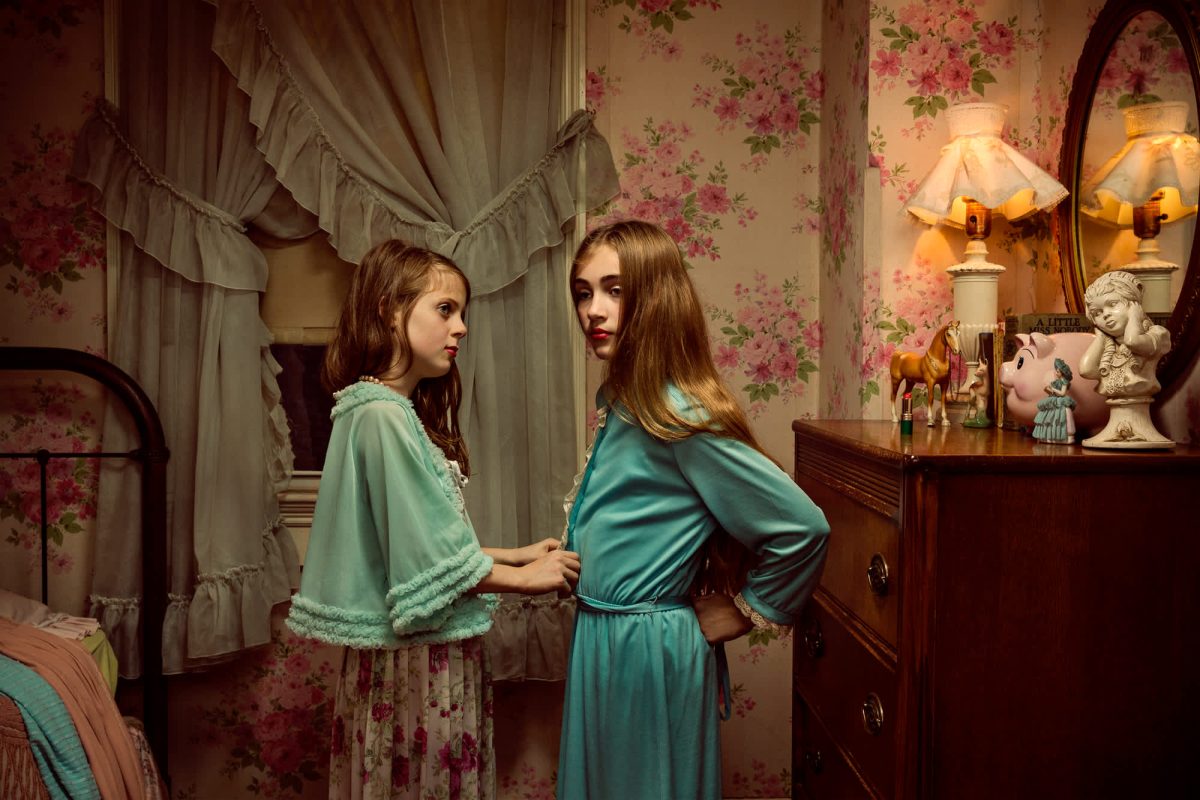
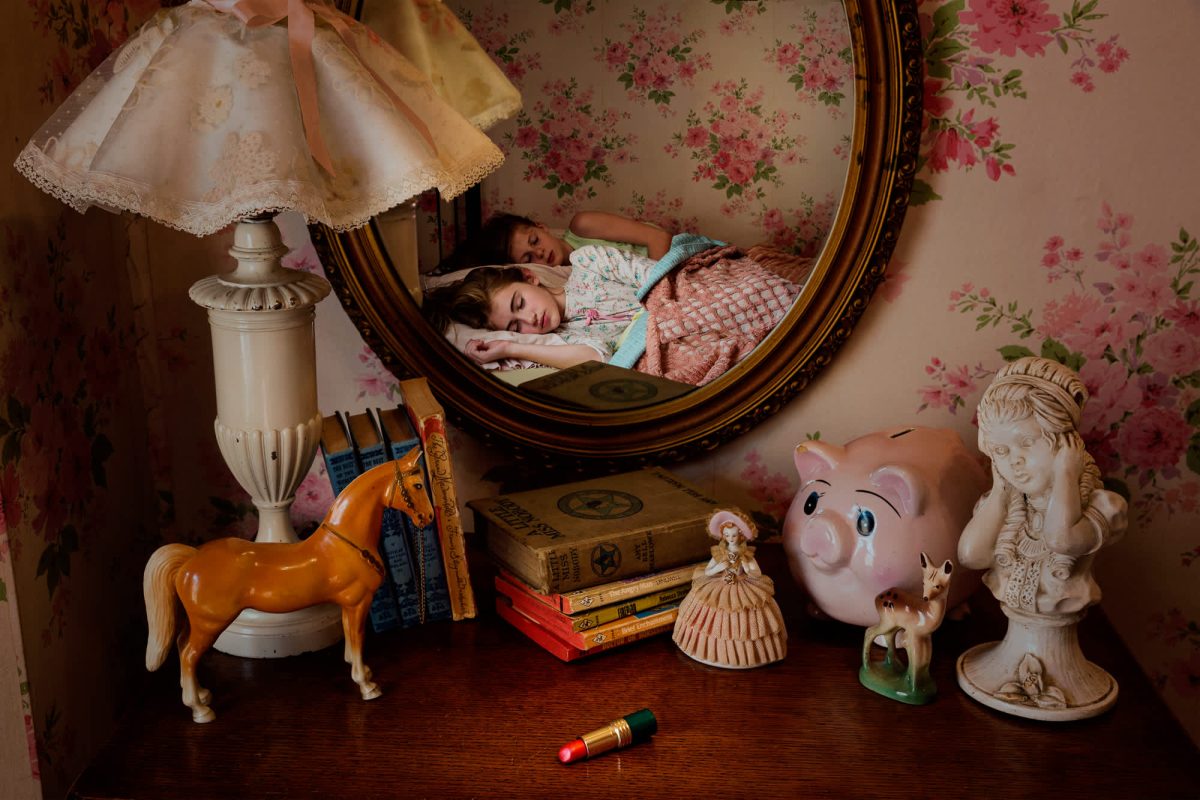
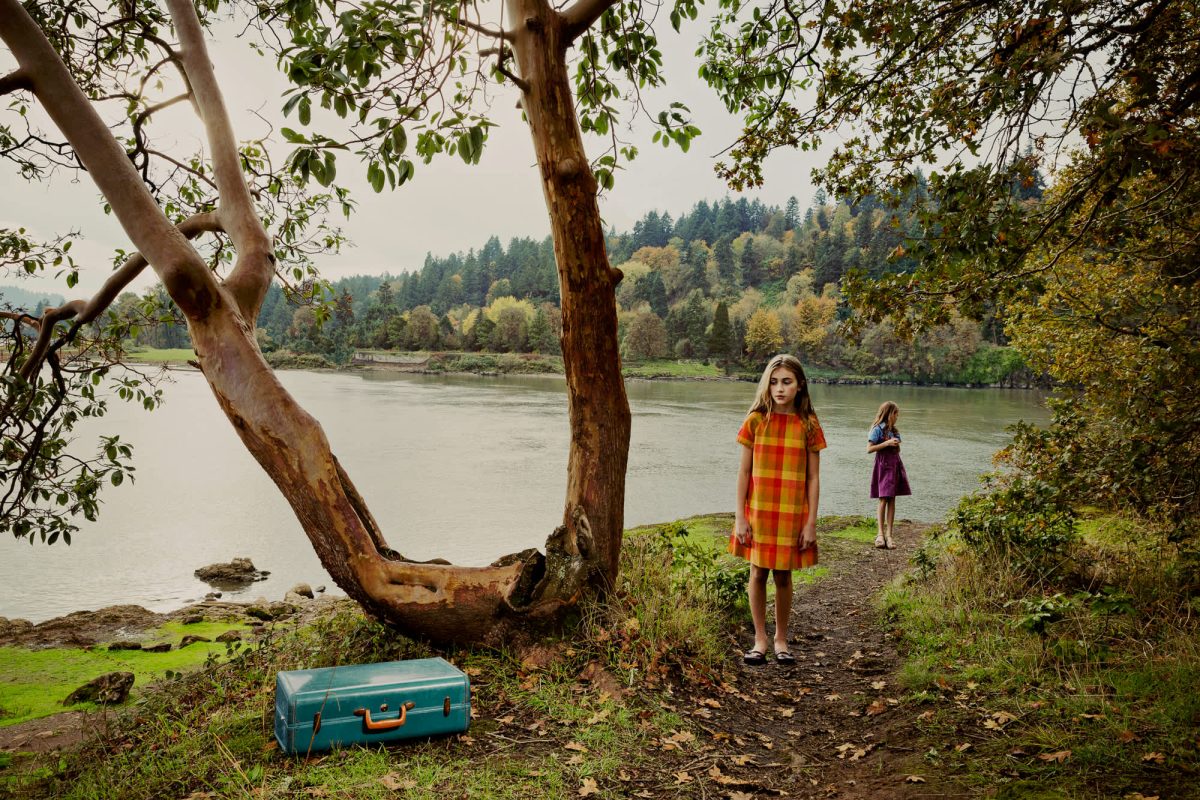
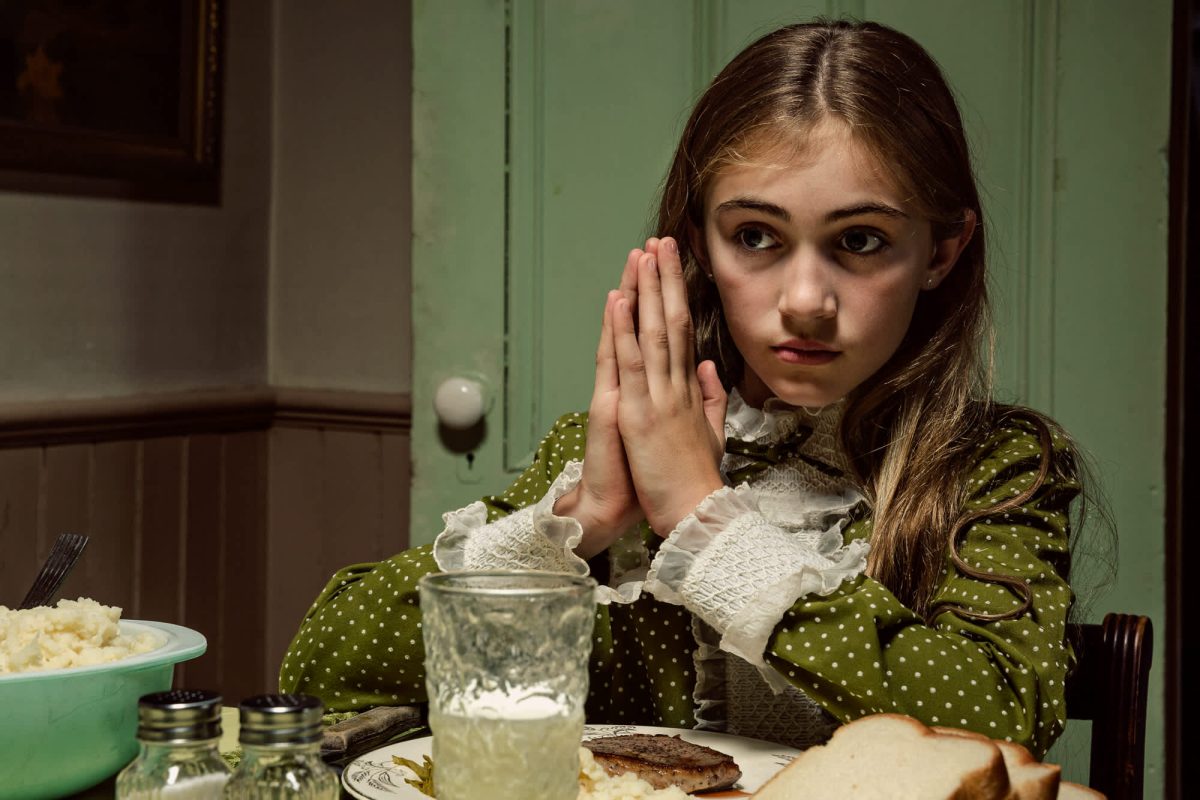
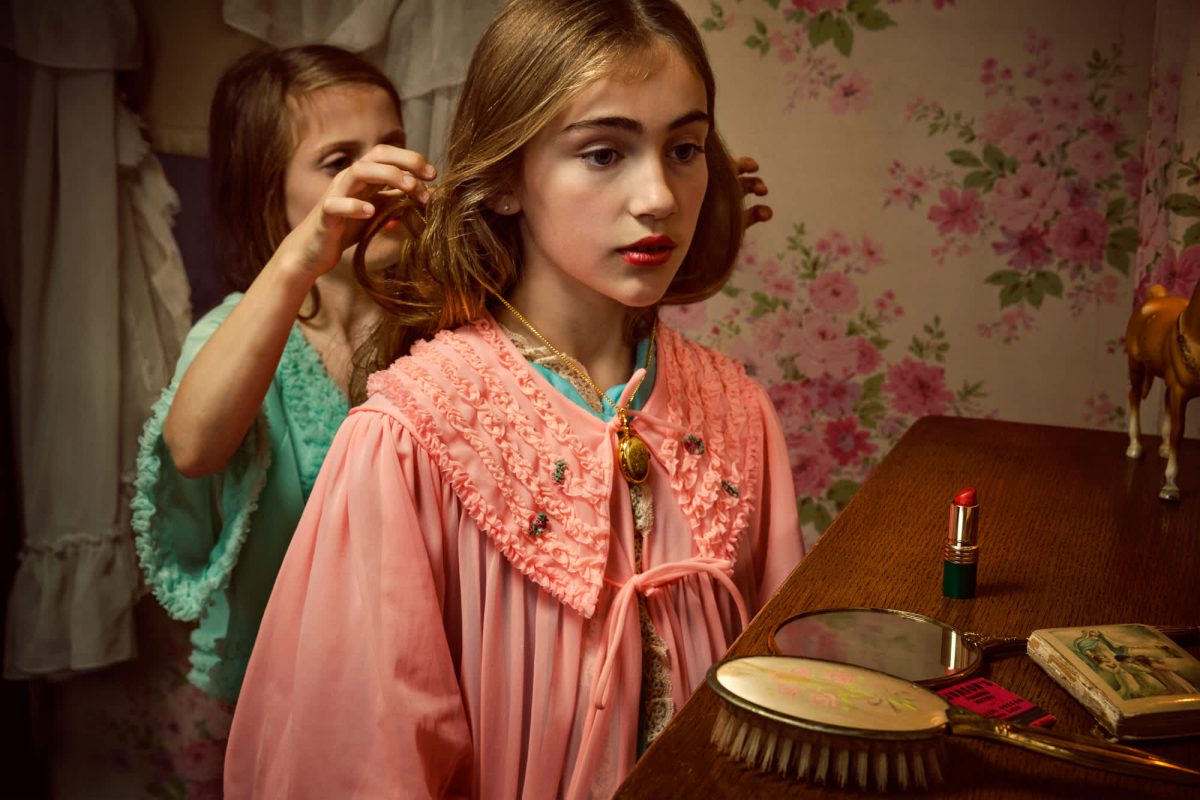
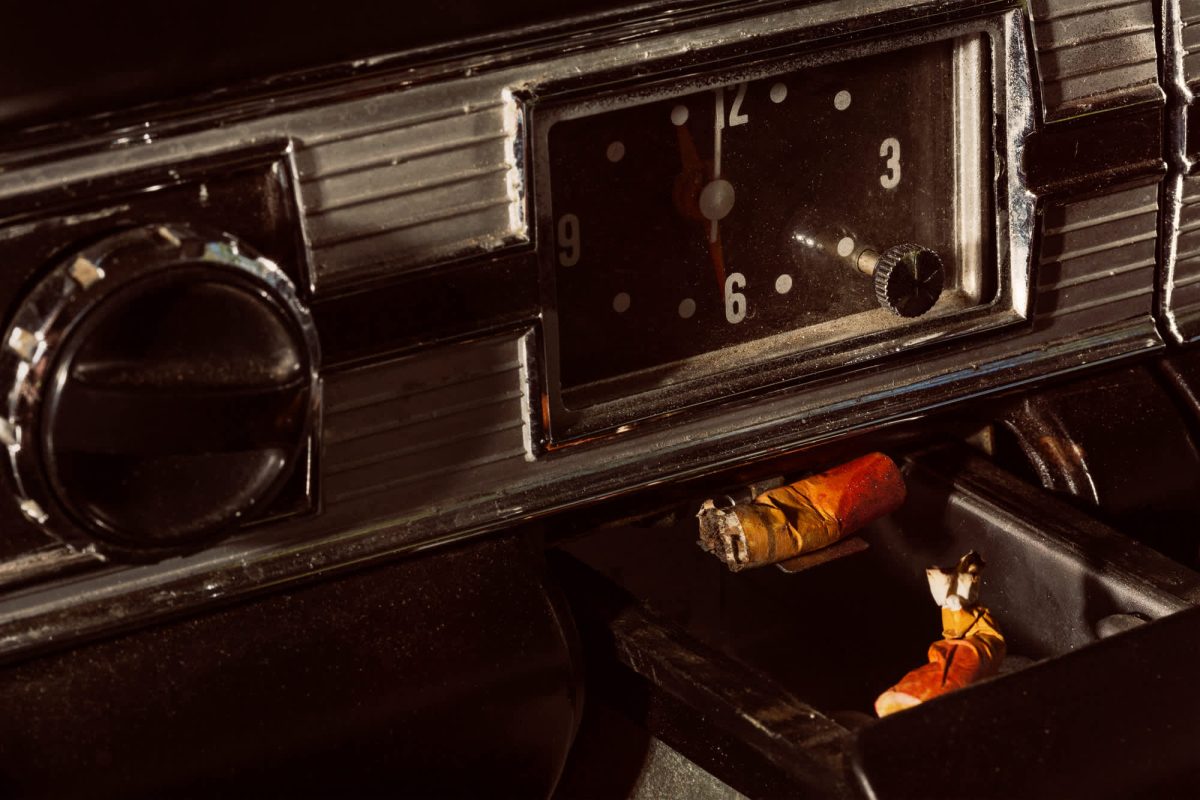
Holly Andres (b. 1977, Missoula, Montana) is a photographer and director whose meticulously constructed images explore memory, childhood, female identity, and the often uneasy transition from innocence to experience. Drawing on personal memories as well as the visual languages of cinema, painting, fashion, and narrative photography, Andres creates richly colored, psychologically charged tableaux that suggest stories extending far beyond the boundaries of a single frame.
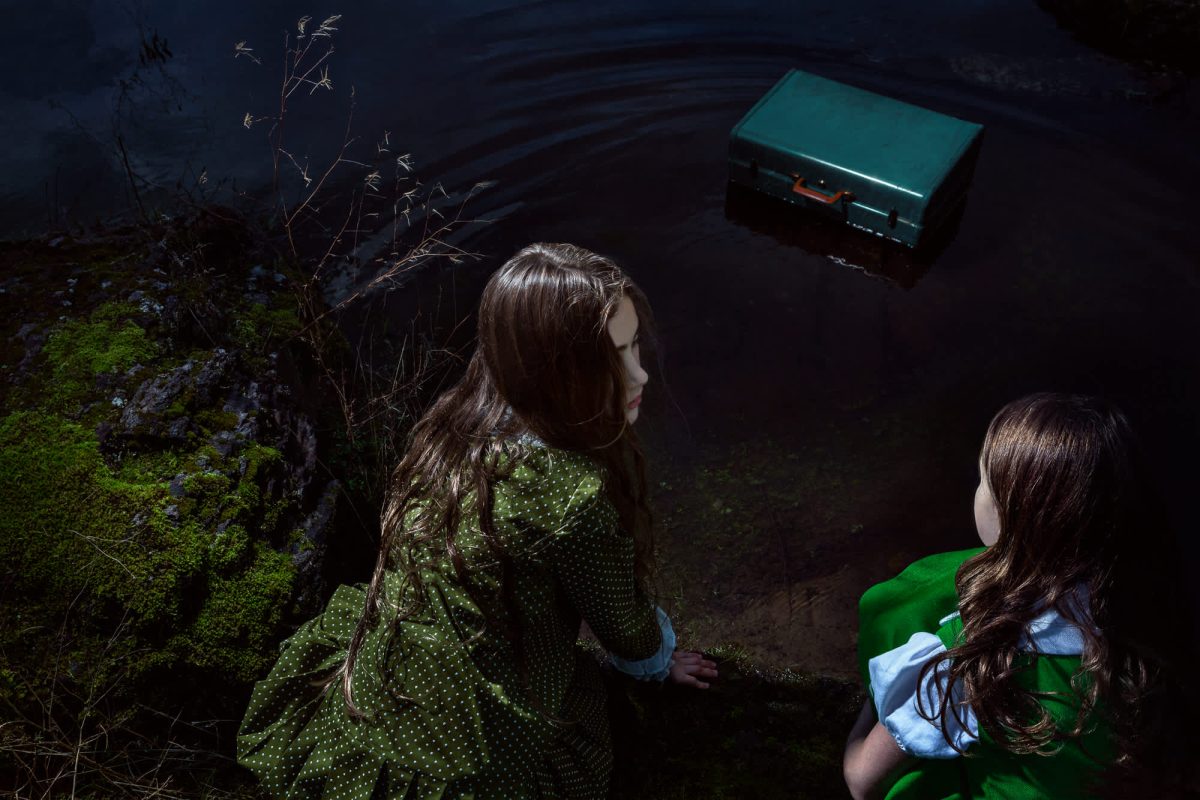
Raised on a farm in Montana as one of ten children, Andres frequently returns to childhood as both subject and source material. Her photographs often feature young protagonists navigating domestic spaces charged with mystery and discovery—following clues, uncovering hidden objects, or confronting situations whose significance they only partly understand. The resulting images occupy an ambiguous territory between recollection and invention. Their saturated color, elaborate staging, dramatic lighting, and carefully selected props can evoke everything from Hitchcockian suspense and mid-century melodrama to vintage children's mysteries and fashion photography.
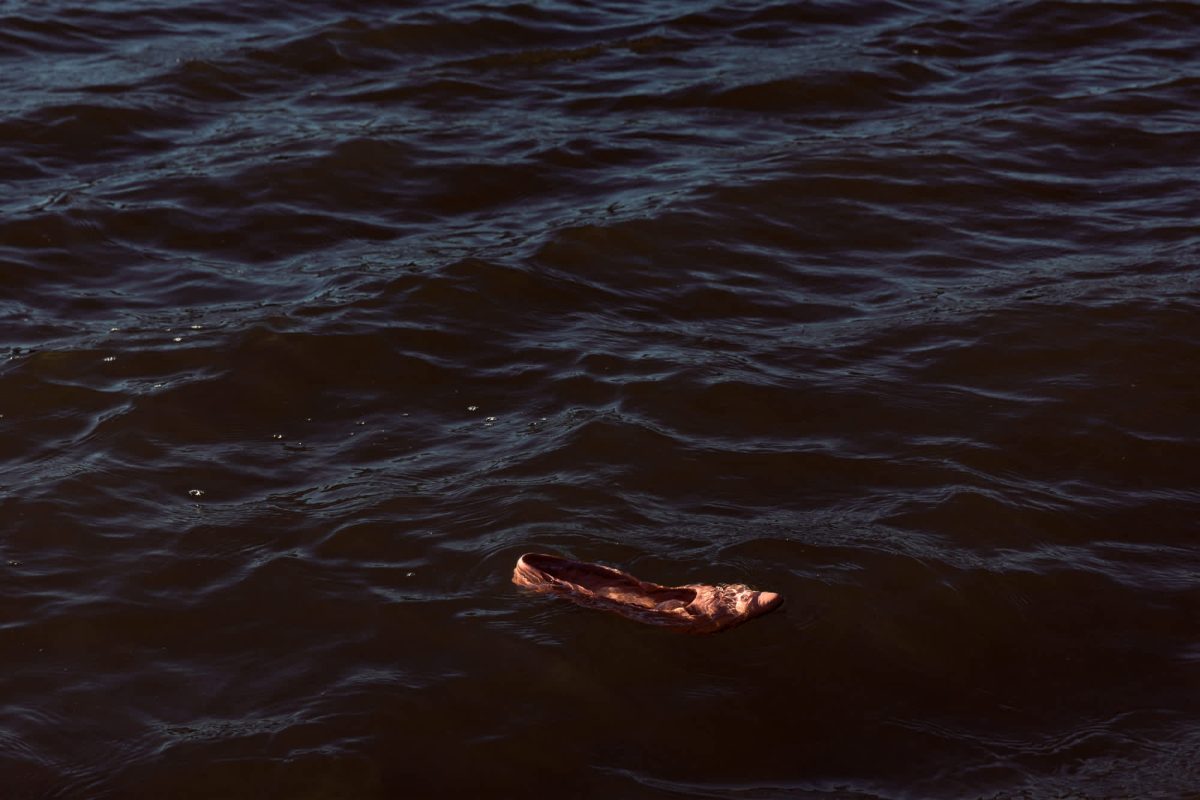
This tension between beauty and unease runs throughout Andres's best-known bodies of work. In Sparrow Lane, adolescent girls pursue a mysterious trail of objects through richly appointed domestic interiors; The Fall of Spring Hill transforms a loosely remembered childhood accident into a cinematic narrative of danger, motherhood, and retribution; and The Fallen Fawn grew from a story Andres heard repeatedly from her older sisters, who as children discovered an abandoned suitcase filled with a woman's clothing and personal effects. Across these series, memory functions less as documentary evidence than as a starting point—something fragmentary and unstable that can be reconstructed through photography.
Andres has presented solo museum exhibitions at the Museum of Northwest Art, Missoula Art Museum, Hallie Ford Museum of Art, and Photographic Center Northwest, among others. Her work has also been included in exhibitions at the Portland Art Museum, Toledo Museum of Art, Museum of Contemporary Art of Georgia, and other institutions, as well as the Portland Art Museum's Oregon Biennial. Recent projects include Wings at Oregon State University and Rad Dad and the Family Tree at the University of Montana Gallery of Visual Arts, both in 2024.
Her work is held in permanent collections including the Portland Art Museum; Hallie Ford Museum of Art; Missoula Art Museum; and The Columbus Museum, Georgia, among others.
Alongside her fine-art practice, Andres has developed a distinguished career in editorial and commissioned photography, bringing the same cinematic sensibility and painterly attention to light, color, and composition to assignments for The New York Times Magazine, The New Yorker, TIME, Vanity Fair, and other publications. She has also worked in moving image and directing, extending the narrative language of her still photographs into film and video.
Andres received her BFA from the University of Montana and her MFA from Portland State University. She lives and works in Portland, Oregon.