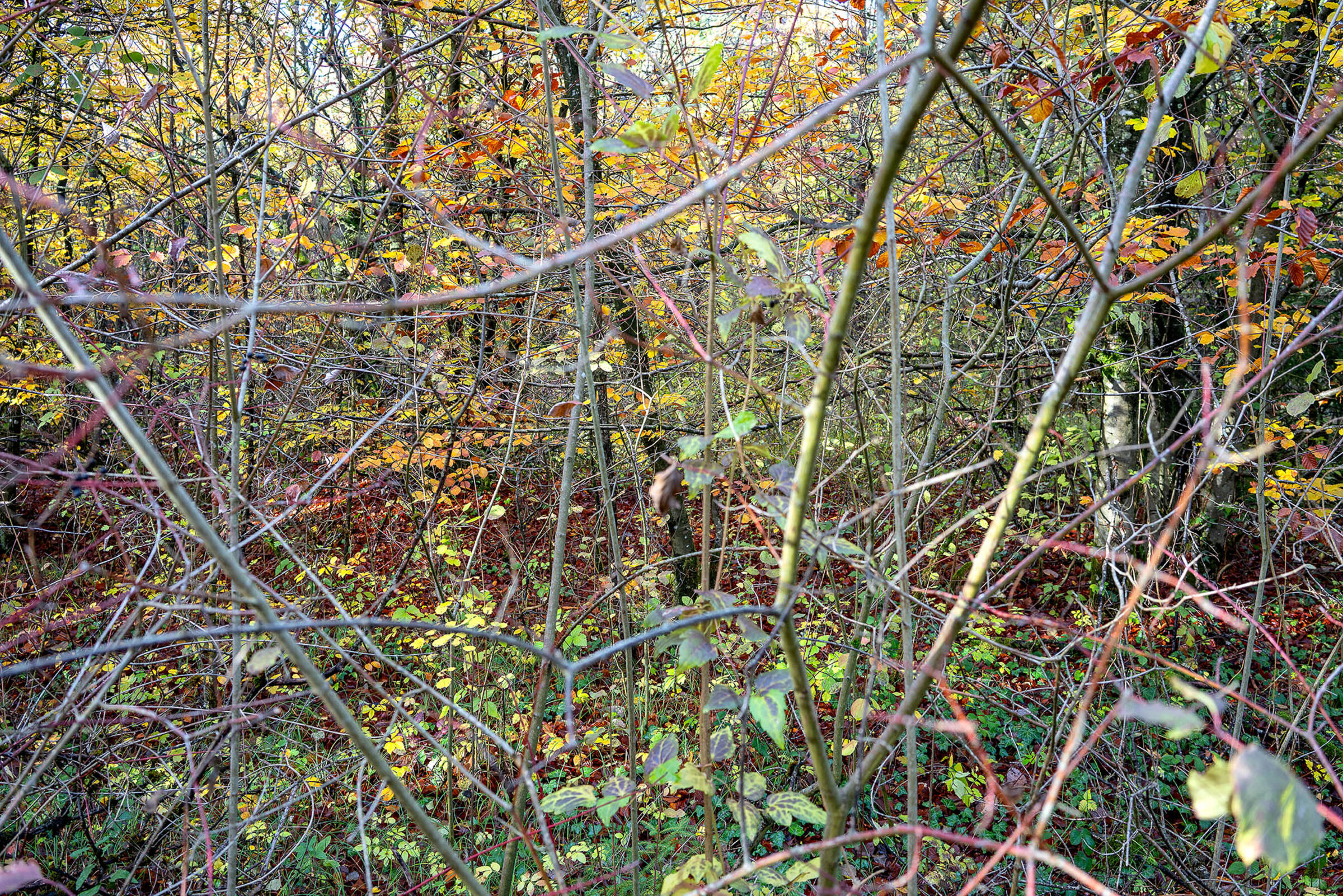
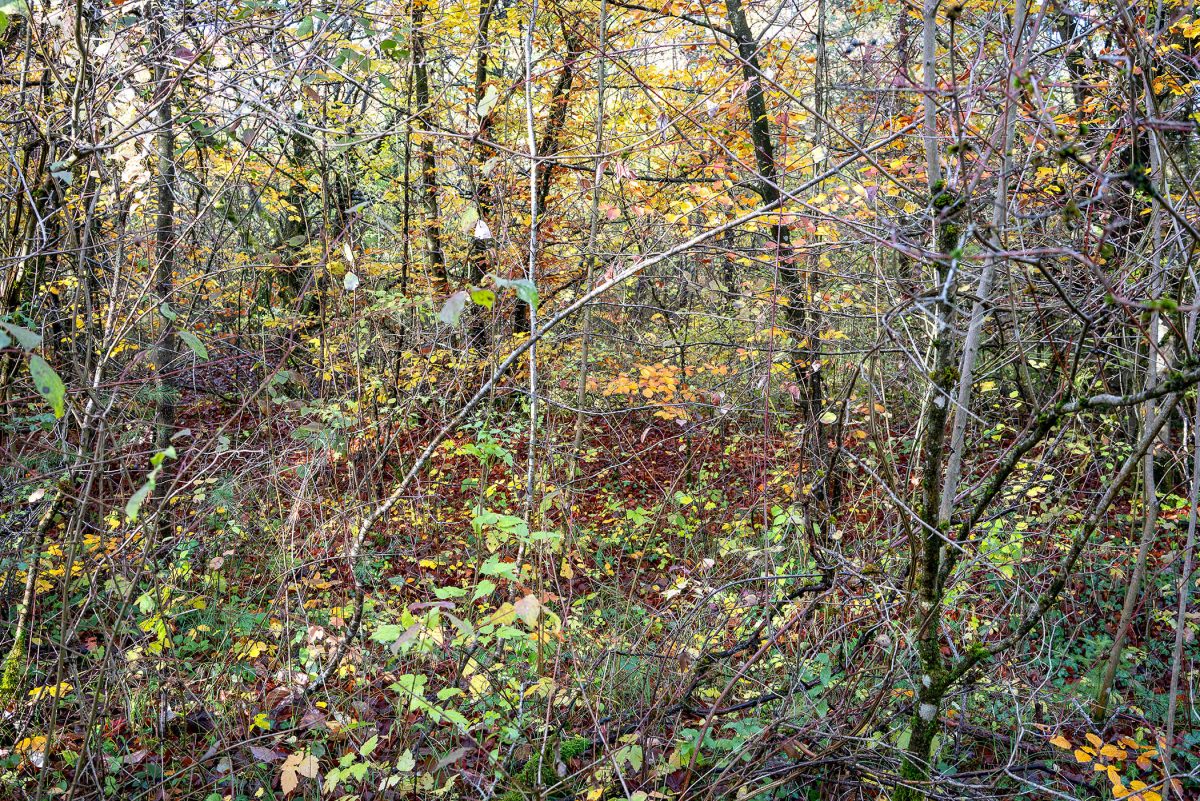
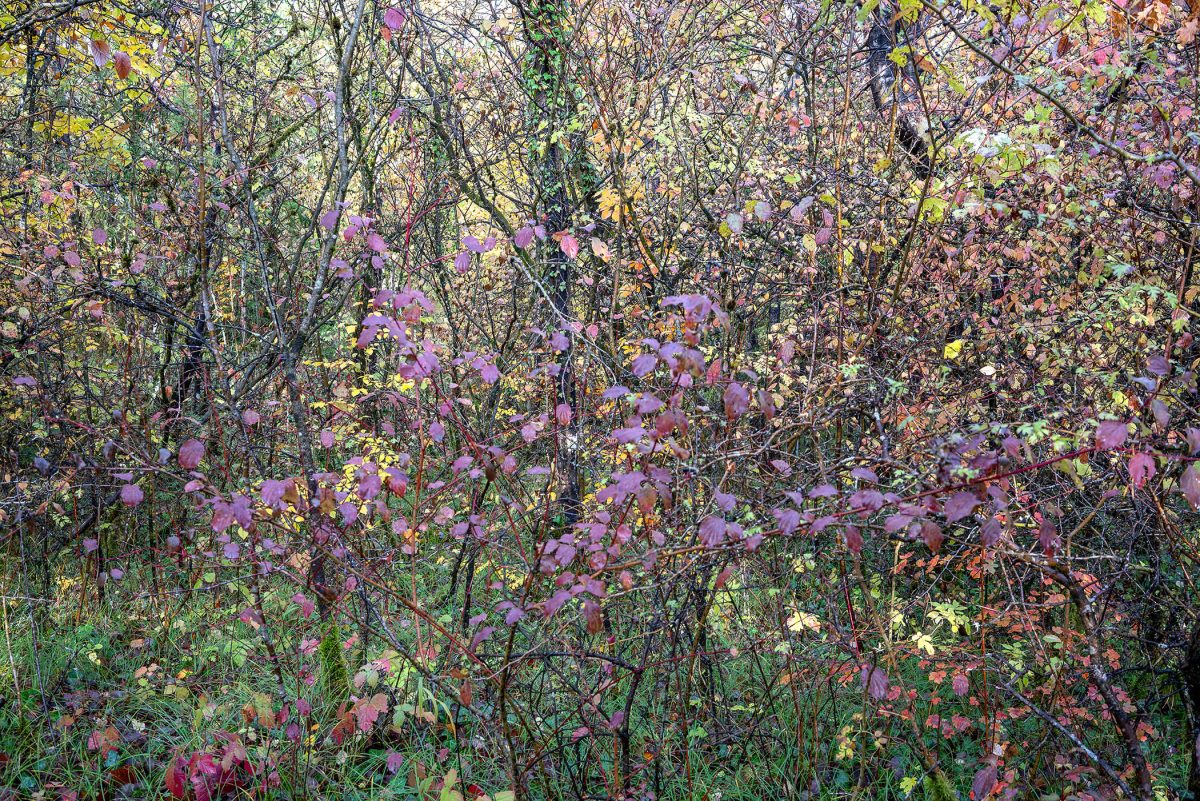
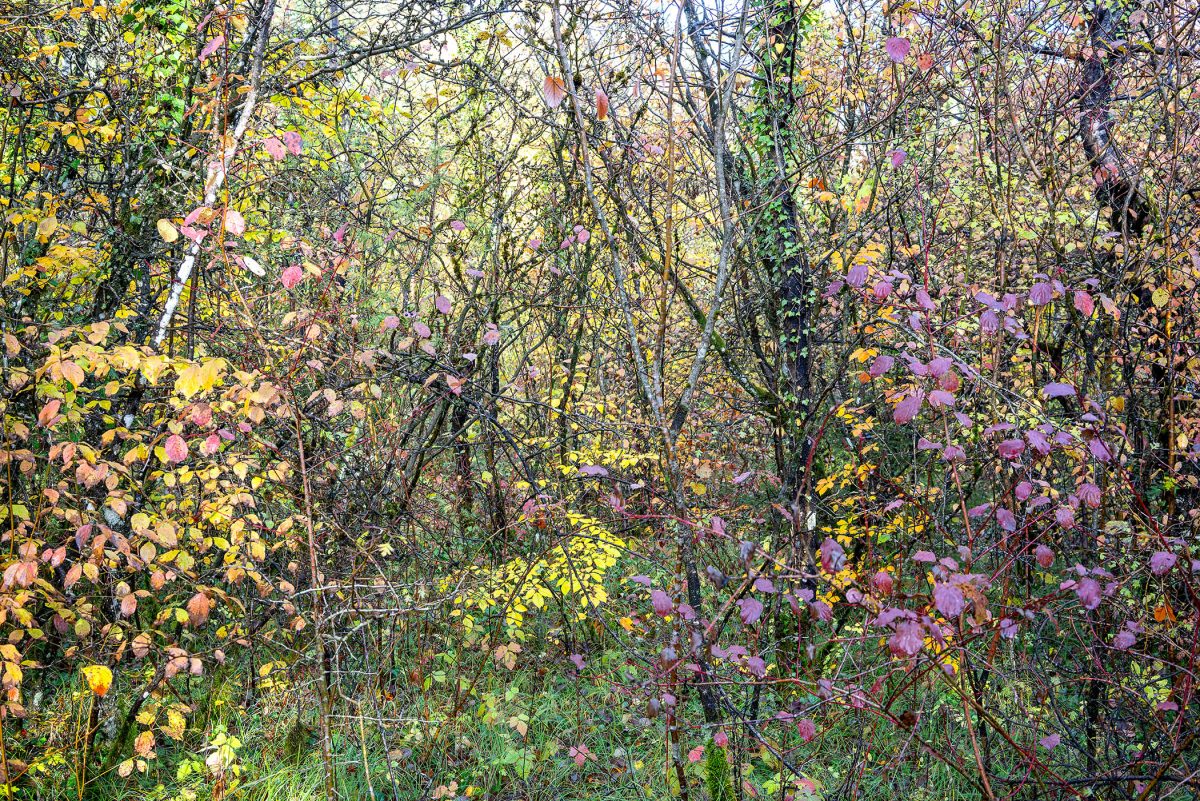
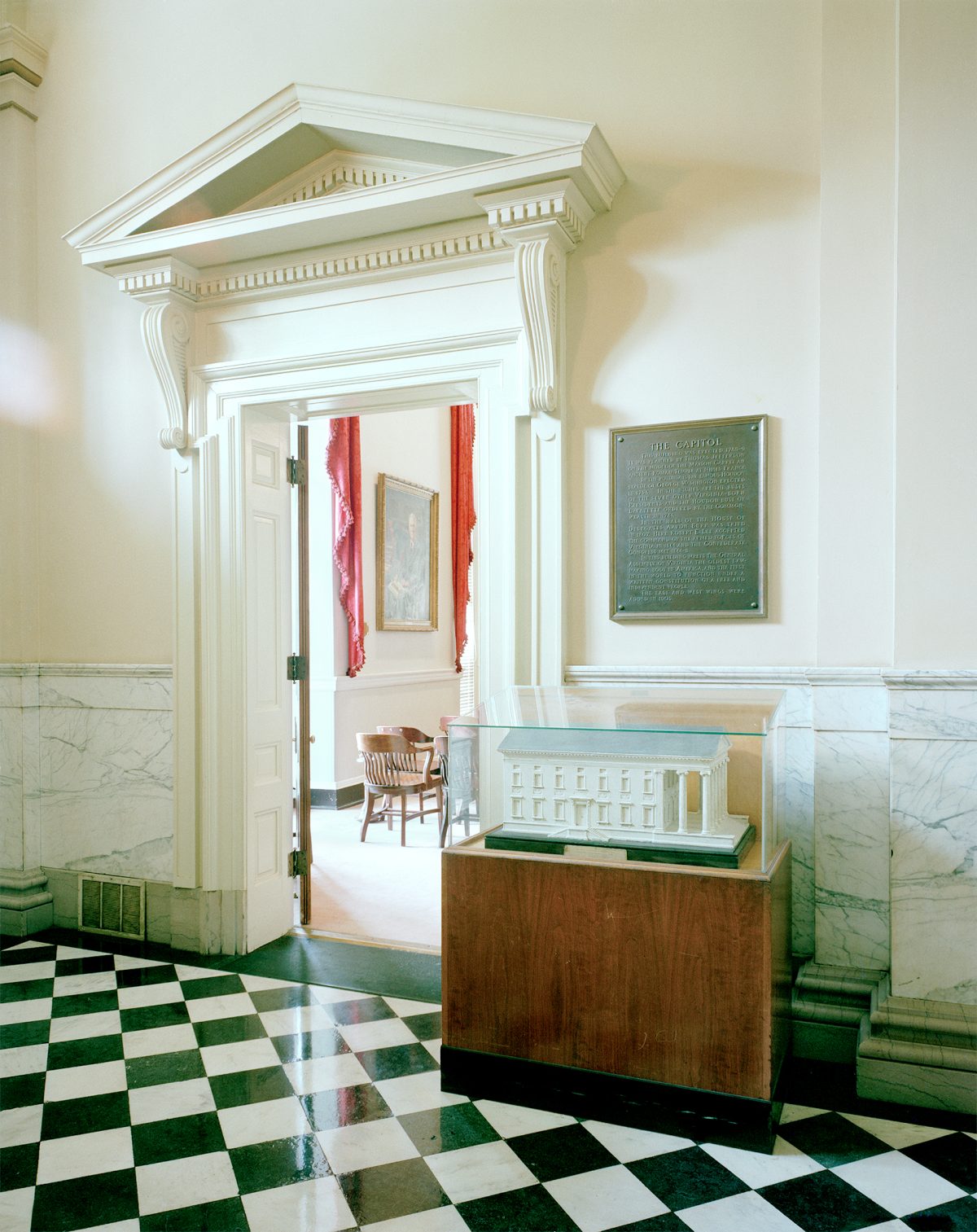
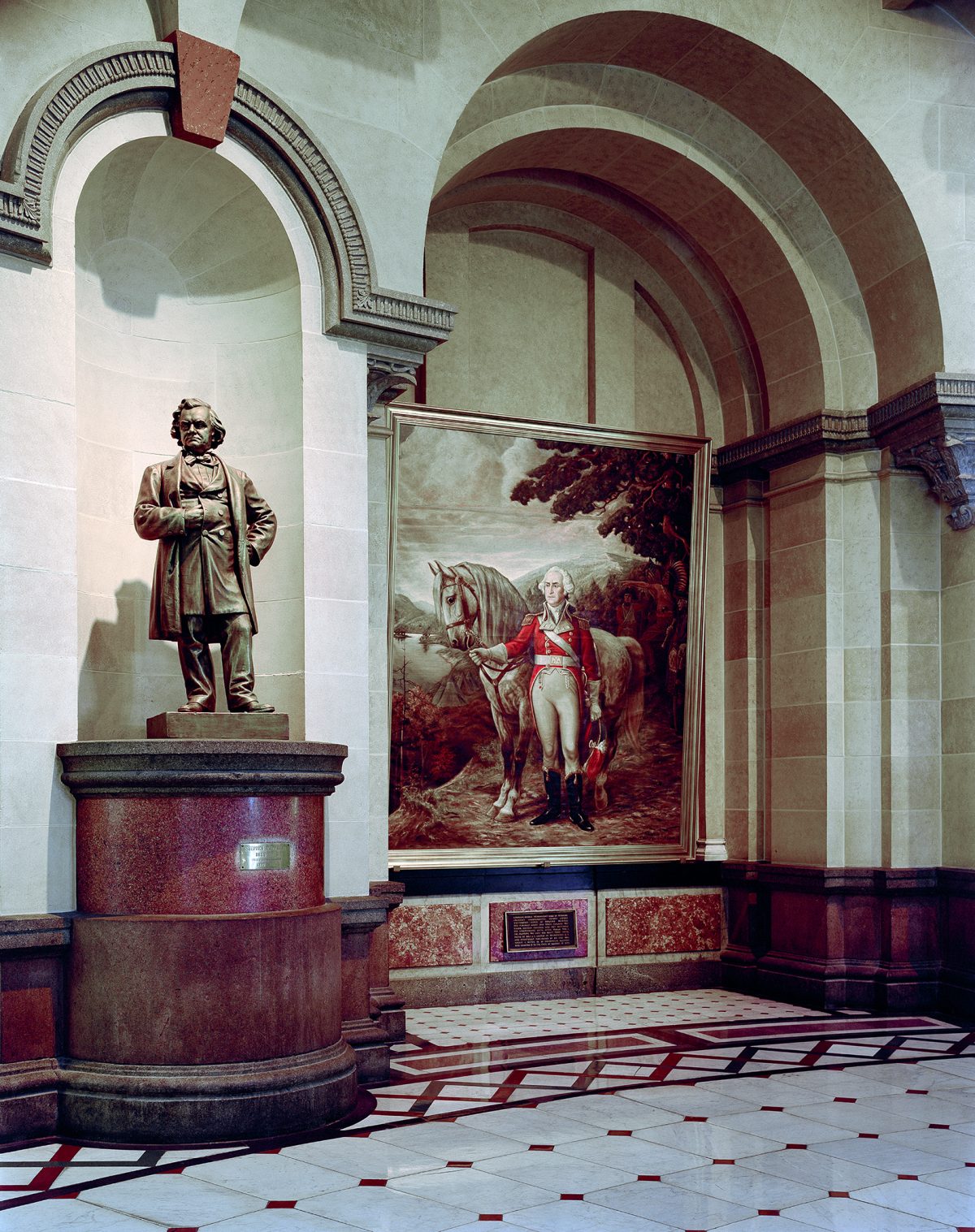
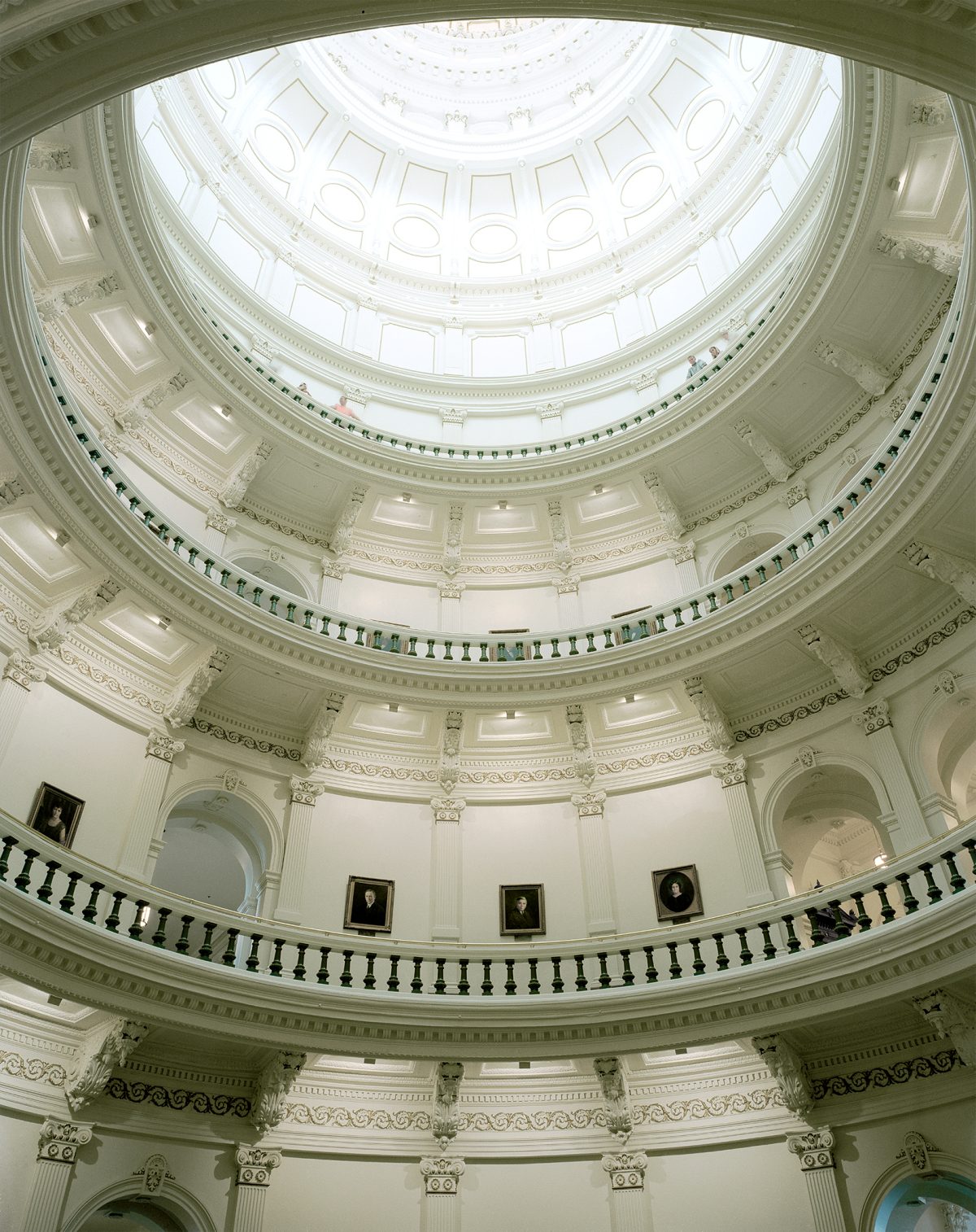
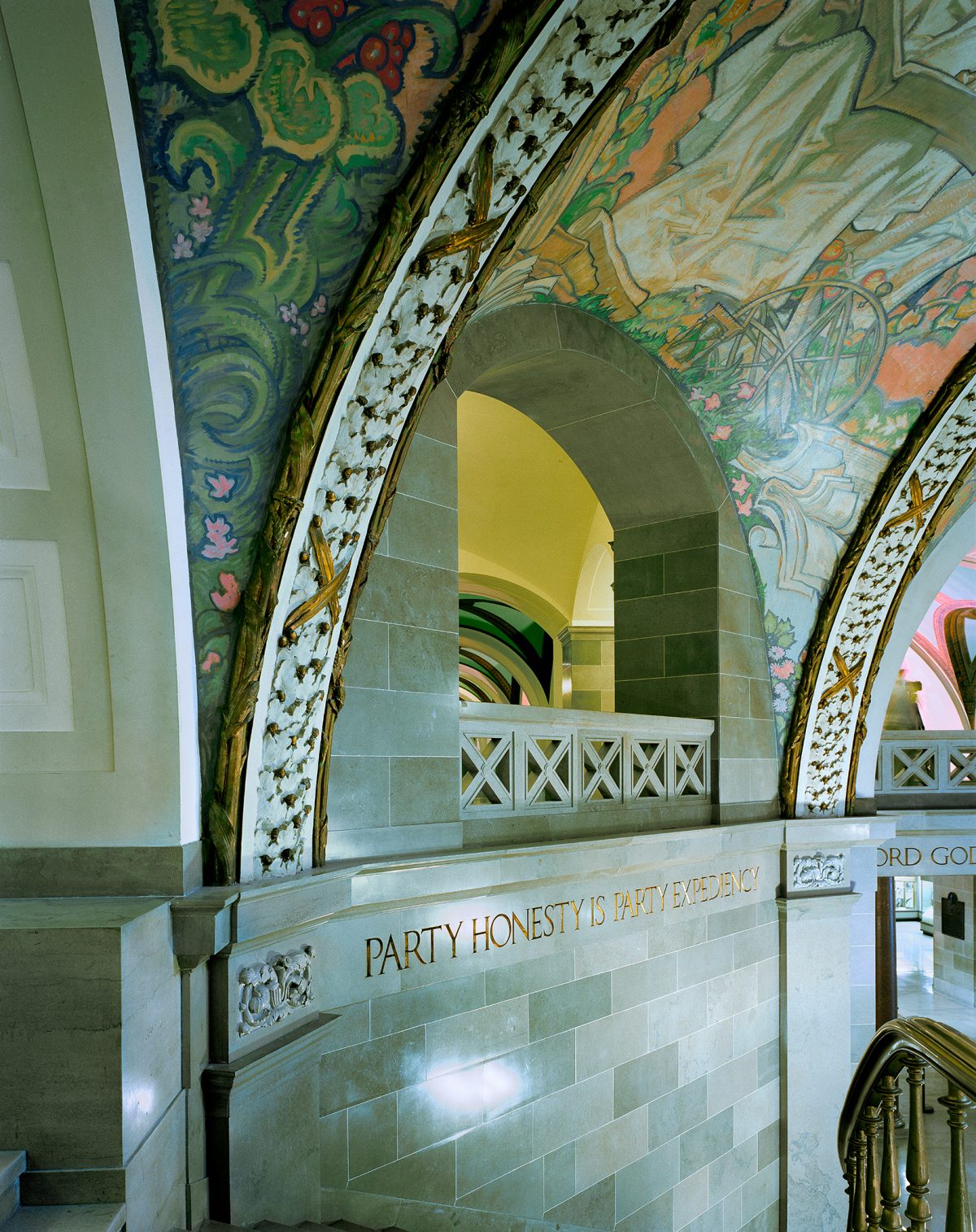
Keith F. Davis (b. 1952) is an American photographer, curator, and historian of photography whose career has combined an extensive personal photographic practice with more than four decades of scholarship, collecting, exhibition-making, and writing. As an artist, Davis works across black-and-white and color photography, examining the natural and built landscape and the ways history, memory, culture, and human ambition become embedded in place.
Davis began photographing in 1969 and has worked with an unusually wide range of photographic formats and processes, from 35mm and large-format cameras to panoramic and digital photography. His subjects have taken him throughout the United States and abroad, but his approach remains grounded in sustained observation rather than the pursuit of isolated spectacular images. Architecture, monuments, landscapes, cemeteries, battlefields, roads, and other traces of human presence become vehicles for considering how individuals and societies shape—and are ultimately absorbed into—the physical world.
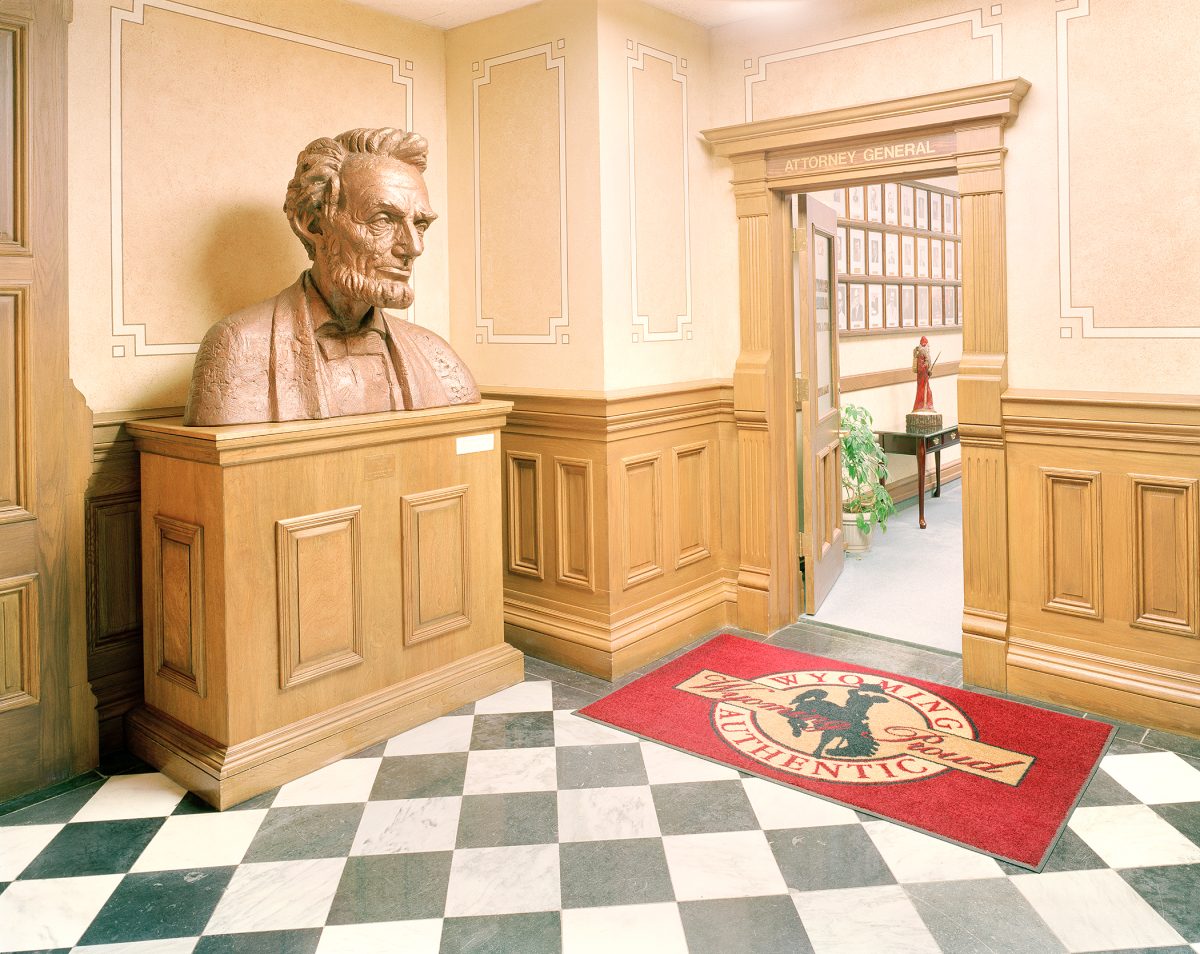
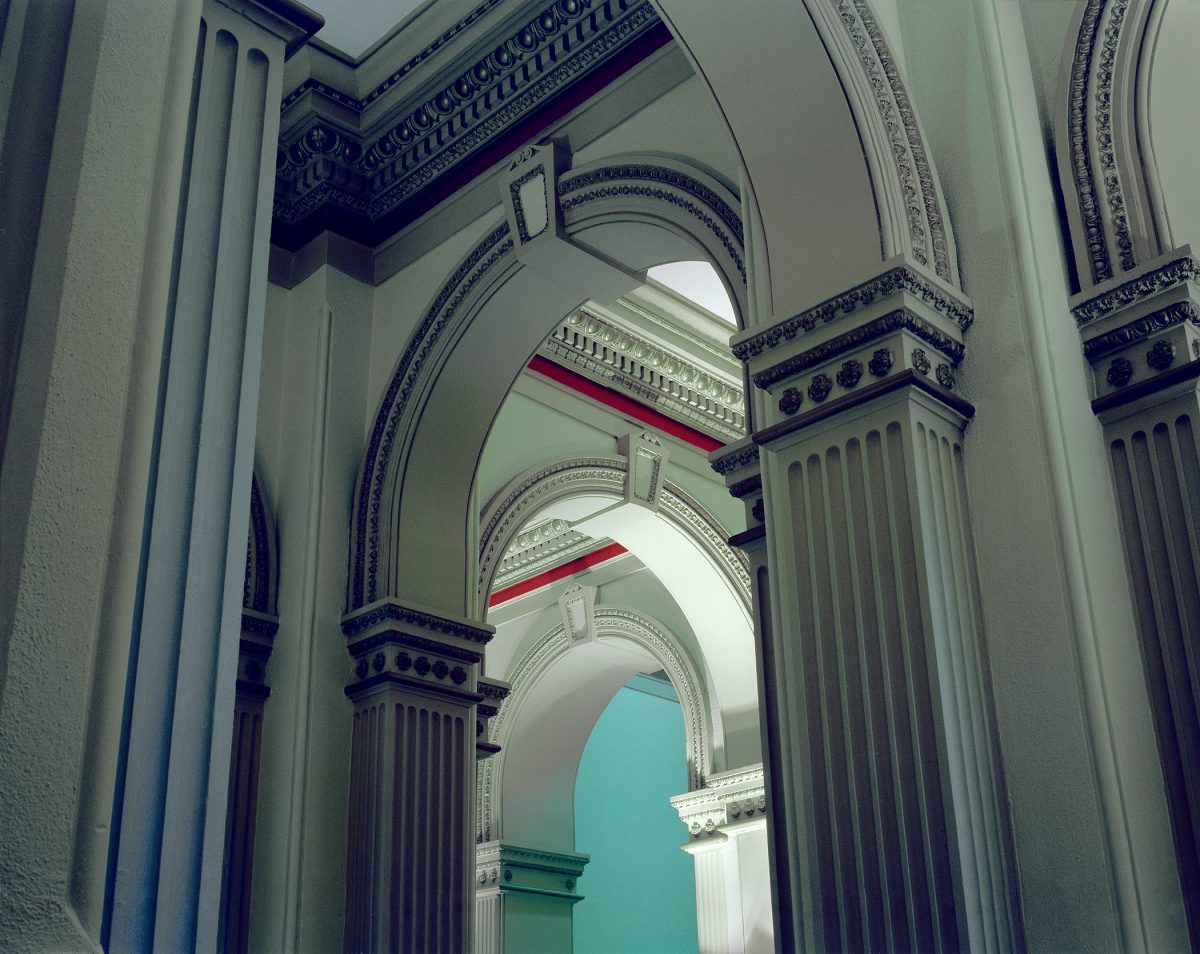
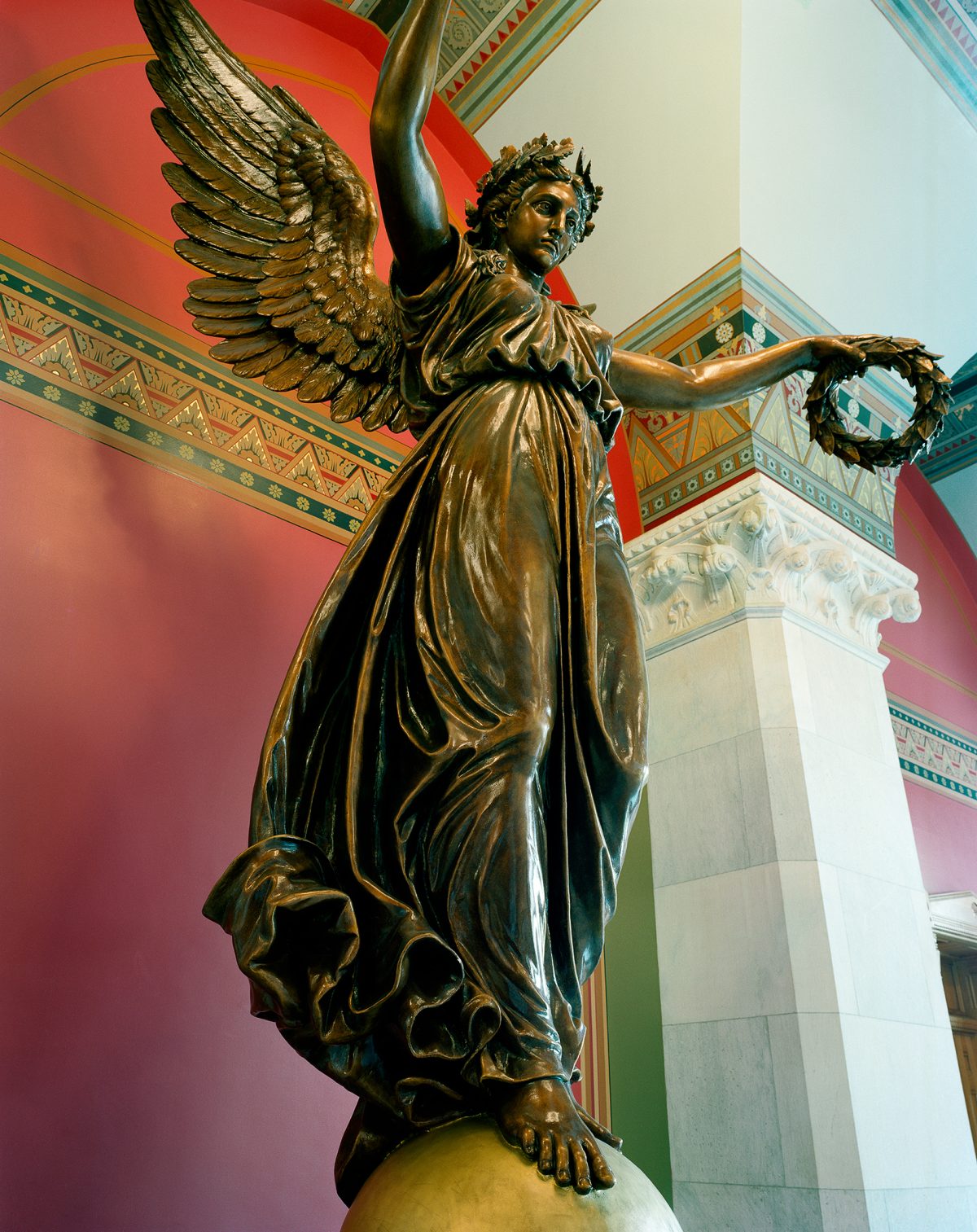
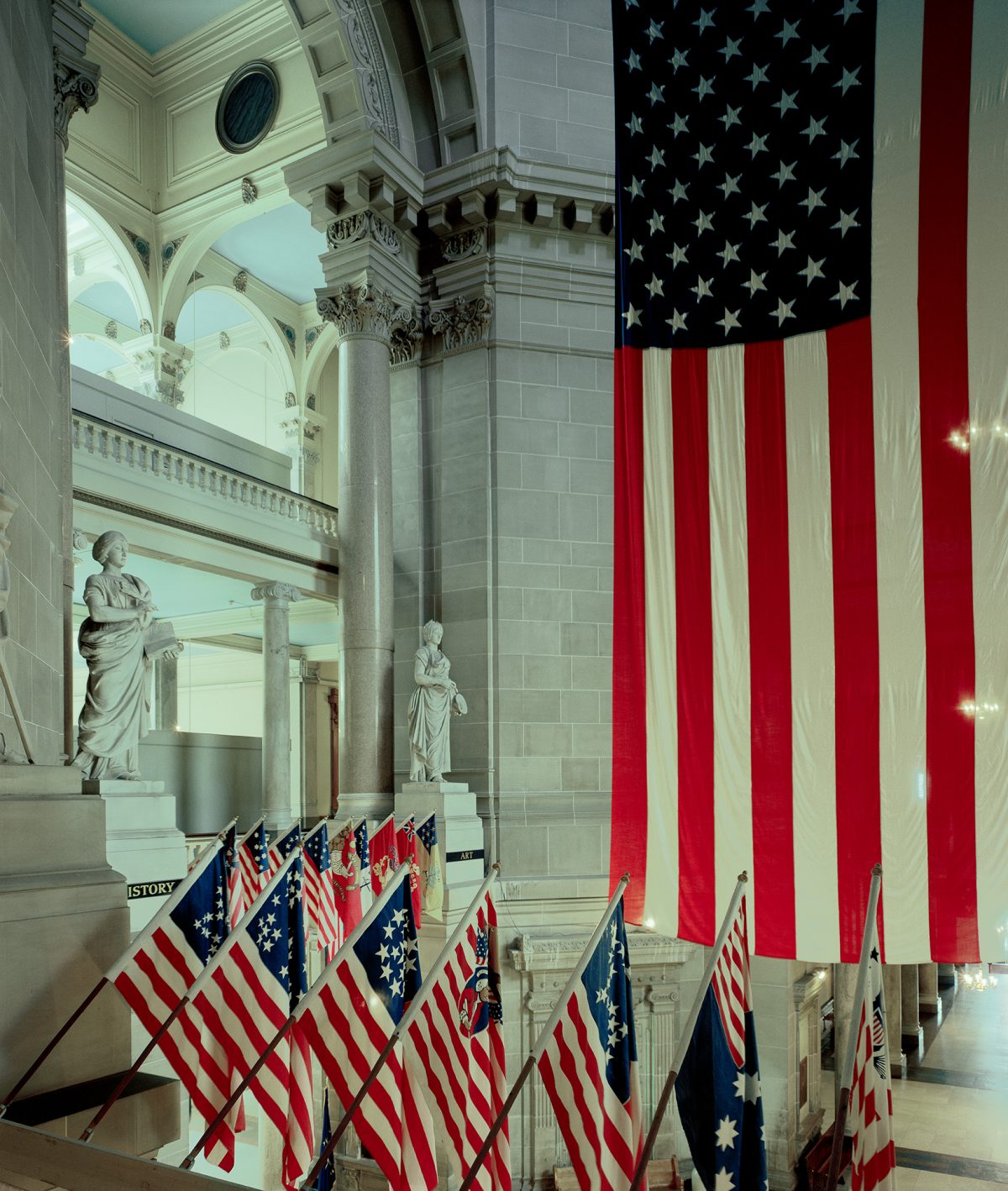
Among Davis's major bodies of work are photographs of funerary sculpture in Italy; the battlefields and memorial landscapes of World War I; and Temples of Democracy, an extensive study of American state capitol buildings and the civic ideals expressed through their architecture. Across these projects, Davis approaches photography as both description and inquiry. His images are attentive to visual form while carrying an awareness of the histories, symbolic systems, and accumulated meanings attached to the places he photographs.
Davis's artistic practice has developed alongside one of the most distinguished curatorial careers in American photography. After receiving a BS in Photography from Southern Illinois University in 1974 and an MA in Art History, with an emphasis on the history of photography, from the University of New Mexico in 1979, he held a research internship at George Eastman House in Rochester, New York. Later that year, he joined Hallmark Cards in Kansas City, eventually becoming Fine Art Program Director and curator of the Hallmark Photographic Collection.
Over the following decades, Davis substantially expanded the Hallmark collection, building a historically broad survey of photography that ranged from the medium's nineteenth-century origins through contemporary practice. In 2005, Hallmark gave its photographic collection—more than 6,500 works by approximately 900 artists—to the Nelson-Atkins Museum of Art. The transformative gift led to the creation of the museum's Department of Photography, which Davis joined as its founding curator. He served as Curator and later Senior Curator of Photography at the Nelson-Atkins until 2020.
During a curatorial career spanning more than forty years, Davis organized nearly 100 exhibitions and authored or contributed to more than thirty books and catalogues. His scholarship encompasses the history of American photography from the nineteenth century to the present, with particular attention to vernacular traditions, documentary practice, photographic modernism, and the development of the medium in the United States.
Among his major publications are An American Century of Photography: From Dry-Plate to Digital; The Origins of American Photography: From Daguerreotype to Dry-Plate, 1839–1885; The Photographs of Homer Page: The Guggenheim Year, New York 1949–50; Emmet Gowin; Clarence John Laughlin: Visionary Photographer; The Life and Work of Sid Grossman; and Multitude, Solitude: The Photographs of Dave Heath. His books and exhibitions have received numerous honors, including awards from the International Center of Photography and the College Art Association.
Davis's dual careers as photographer and historian are deeply interconnected. Decades spent studying the history of the medium and closely examining the work of other photographers inform his own understanding of photographic description, while making photographs provides an experiential counterpoint to his scholarly work. In both practices, he is concerned with how photographs organize visual information, preserve evidence, accumulate meaning over time, and shape our understanding of history and place.