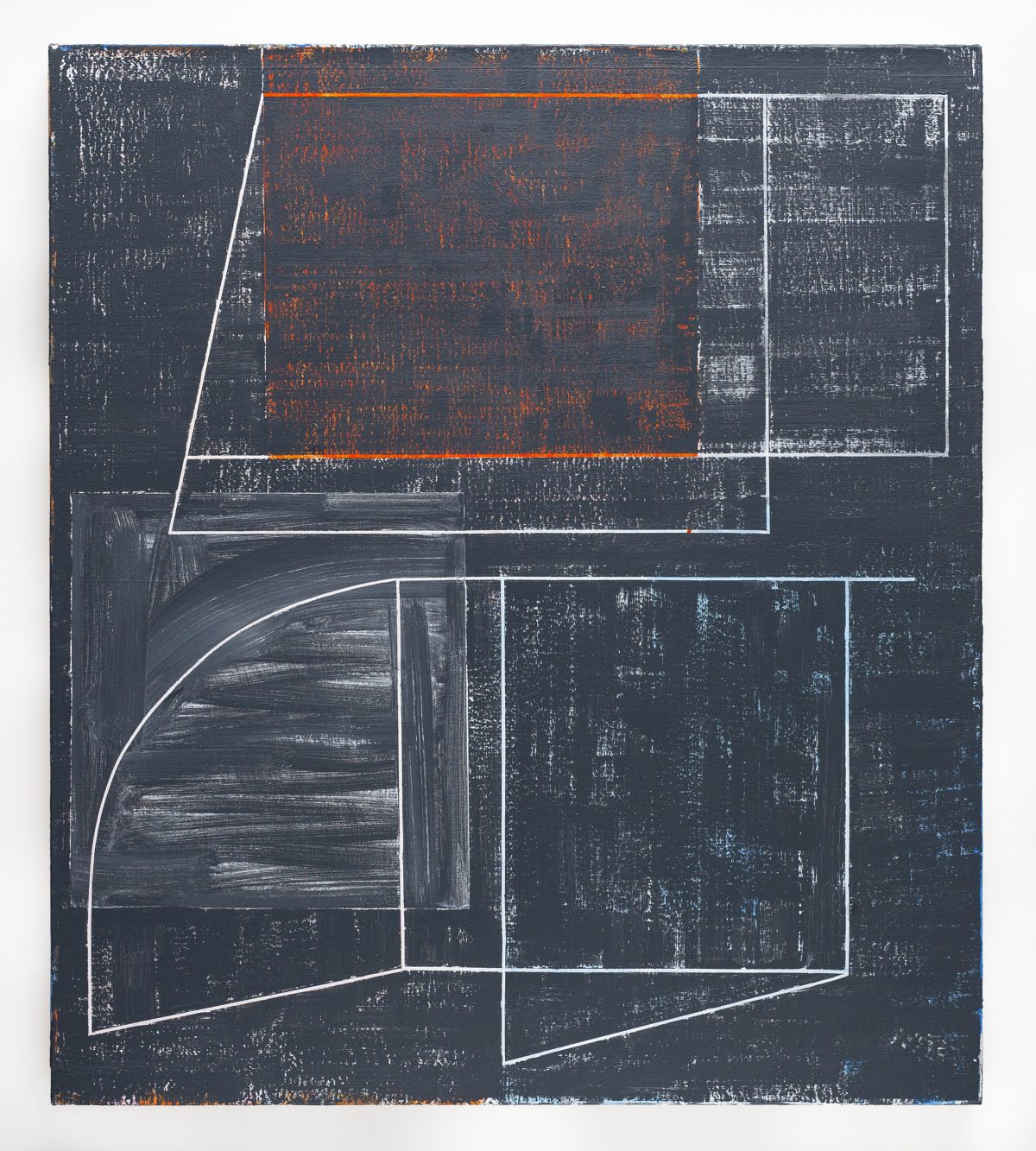
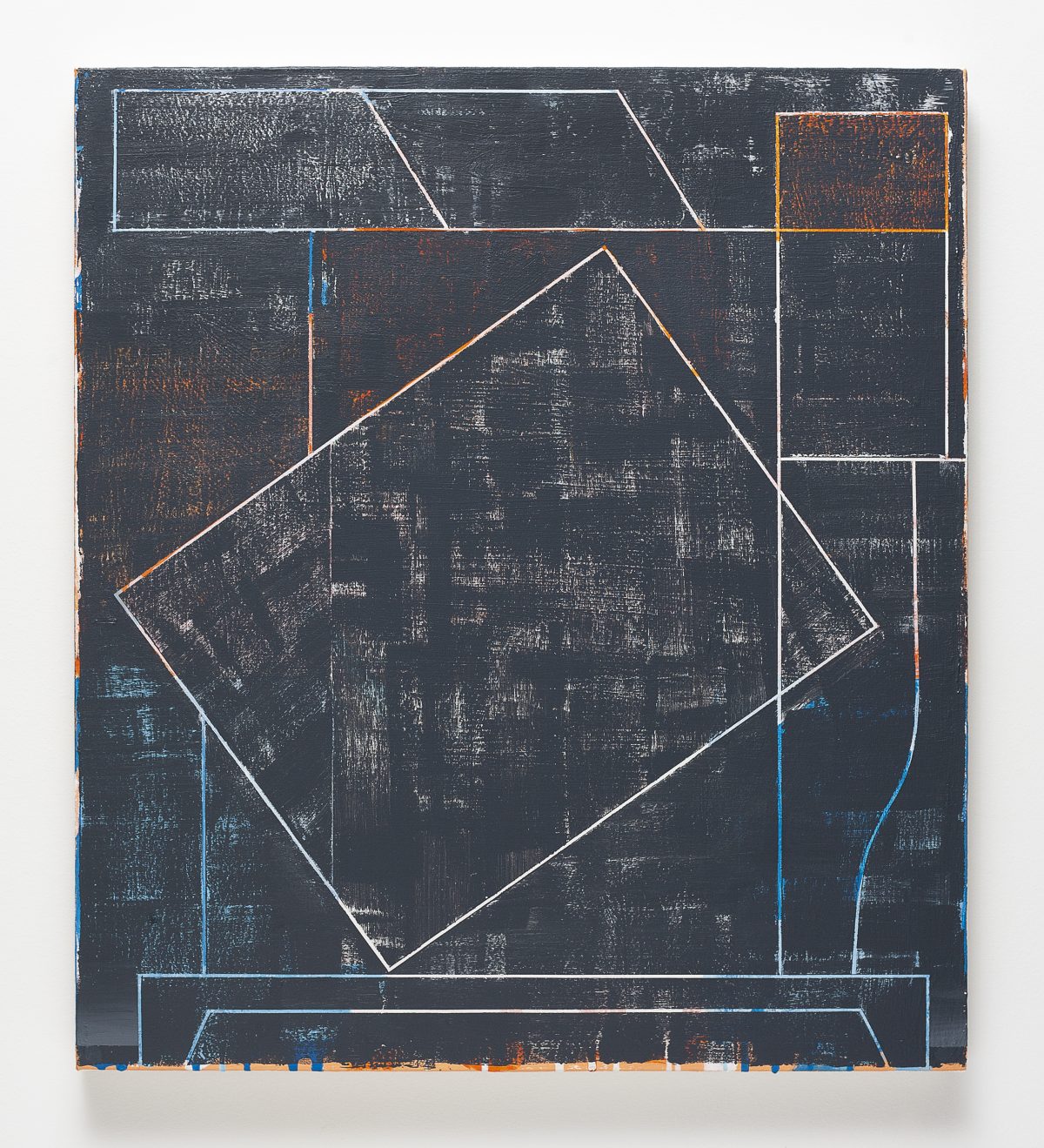
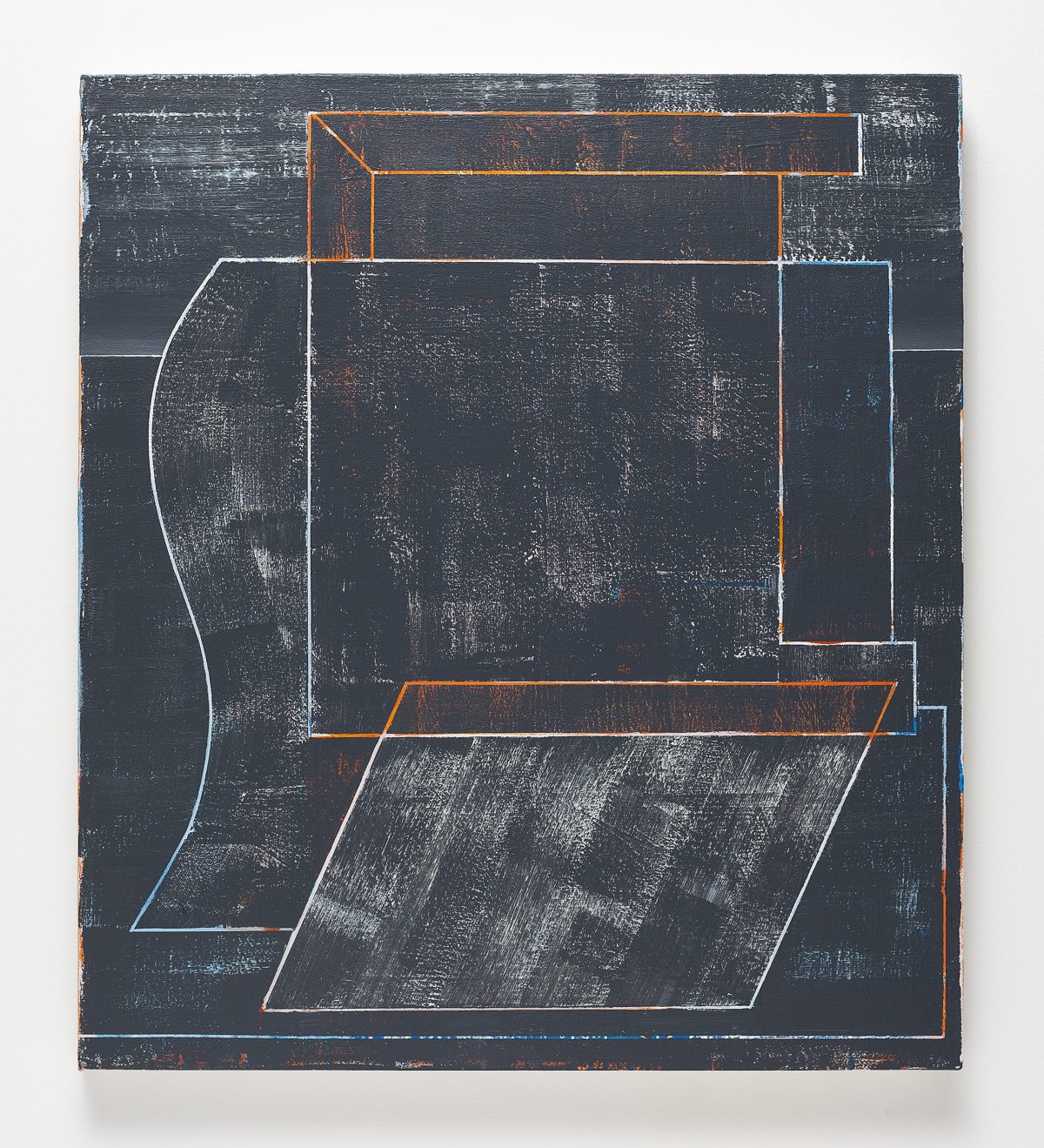
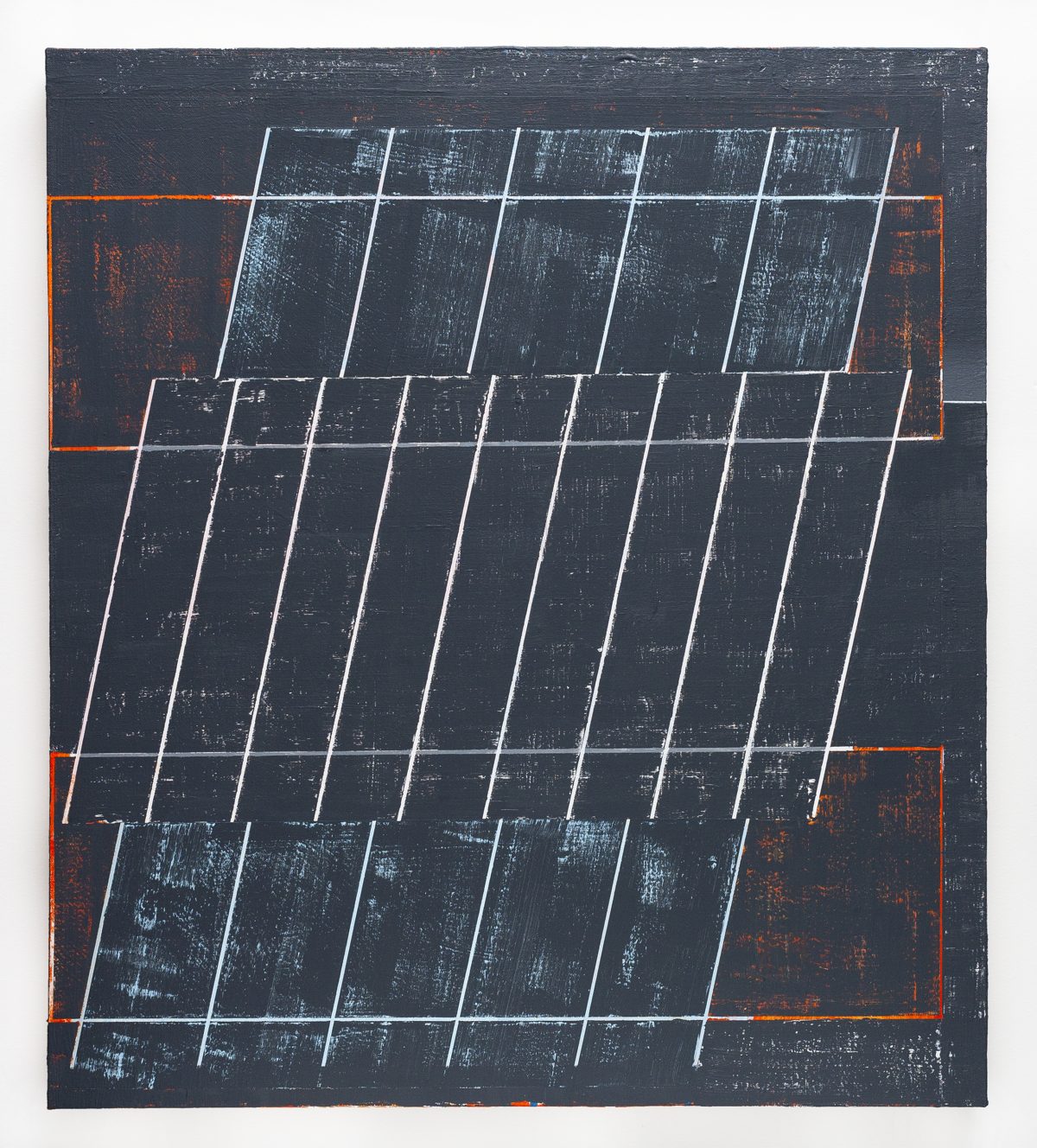
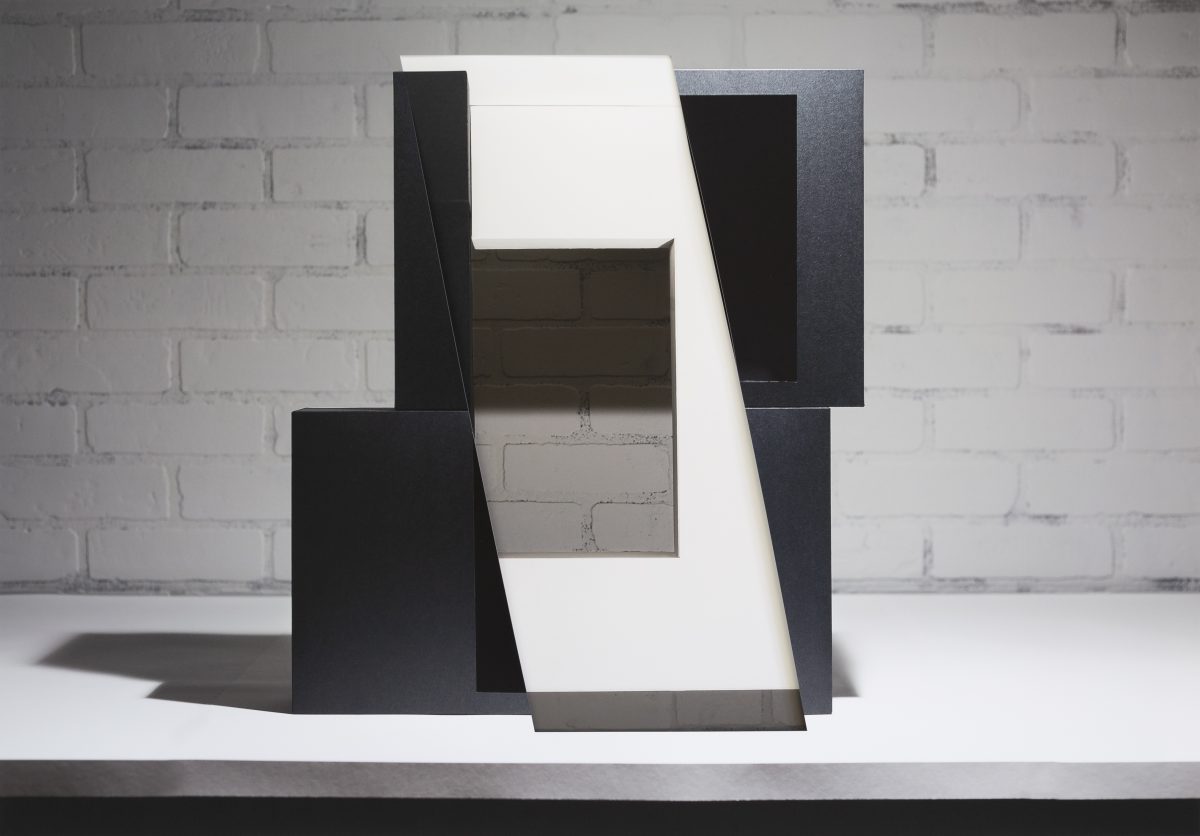
Caleb Taylor is an American artist whose multidisciplinary practice moves among painting, collage, photography, sculpture, and ceramics. Across these media, Taylor investigates the relationships between abstraction and representation, image and object, and the ways architecture and constructed environments shape perception. His work is grounded in a process of building, dismantling, layering, and reorganizing visual information, allowing fragments of observed space to become increasingly abstract.
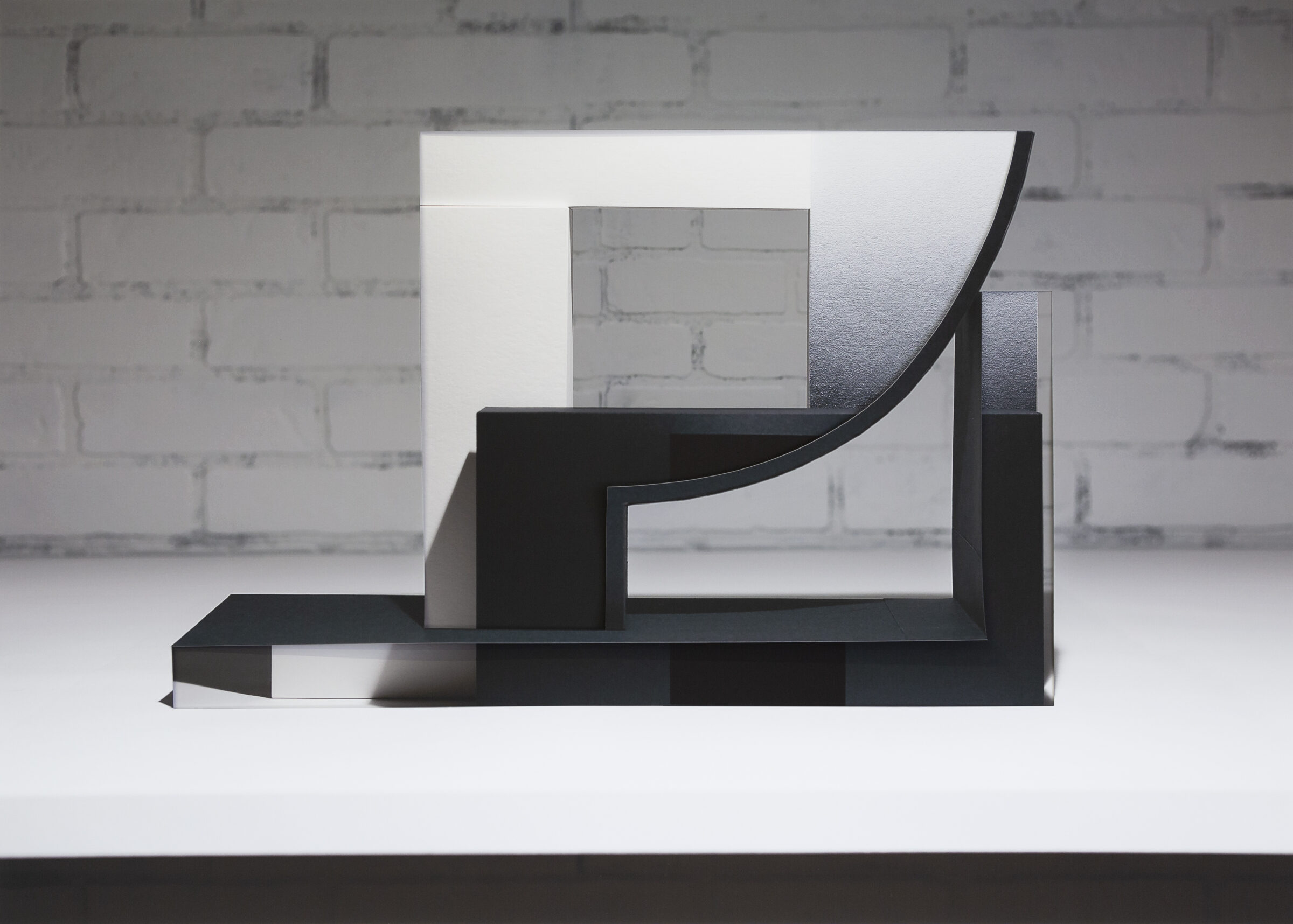
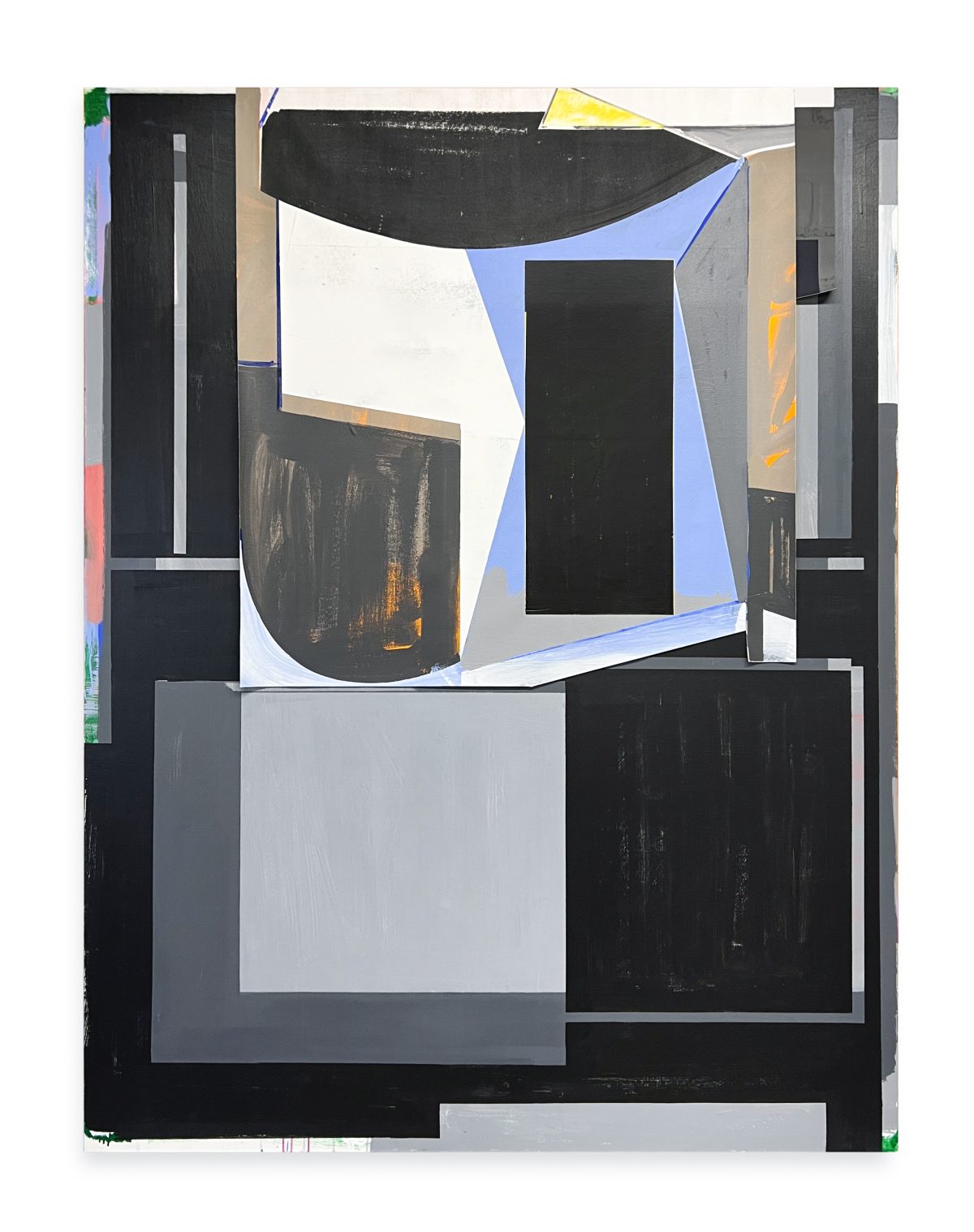
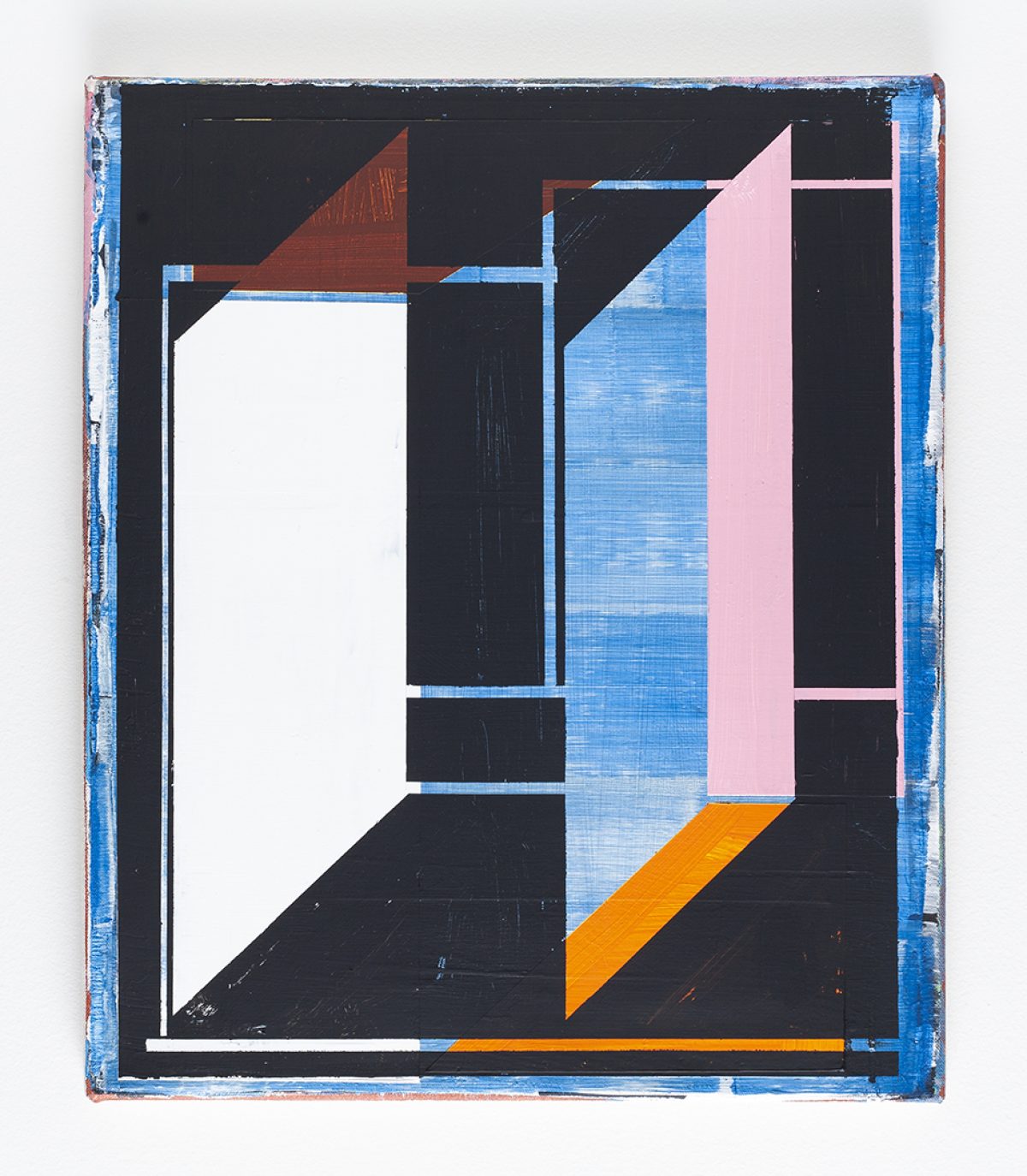
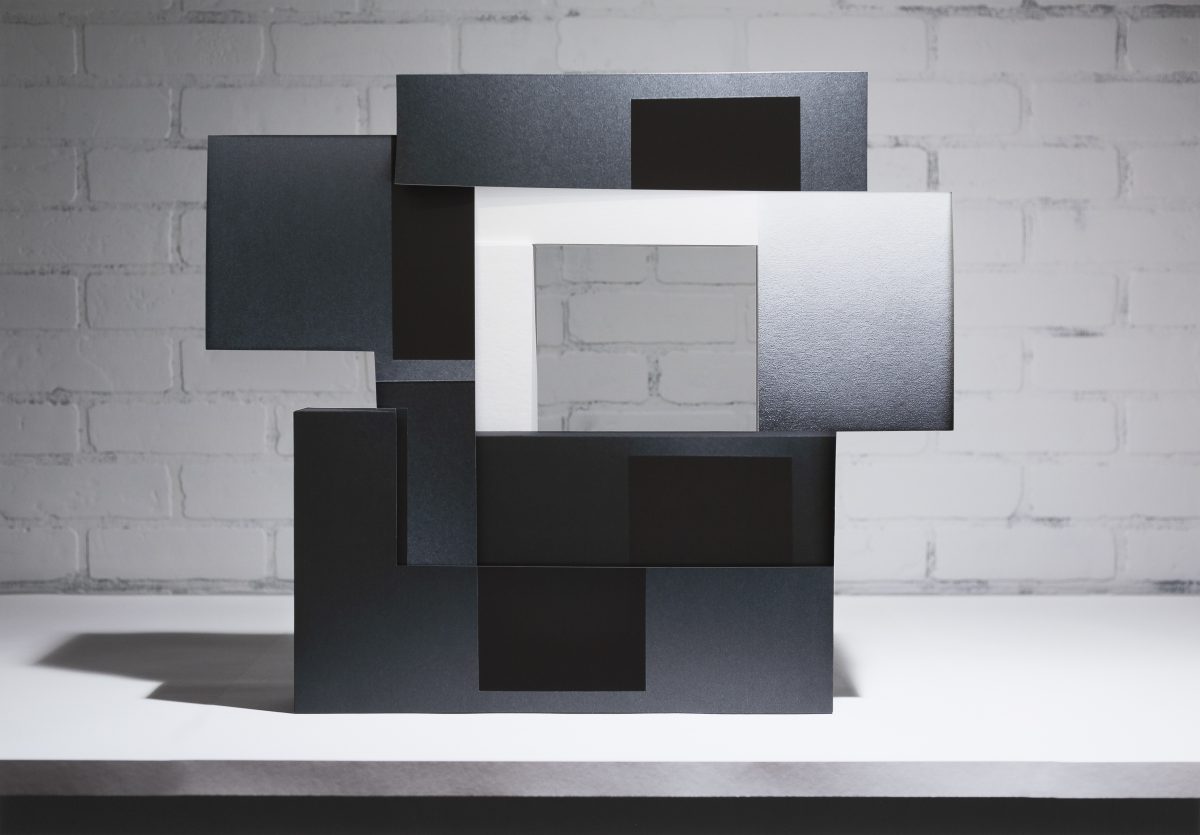
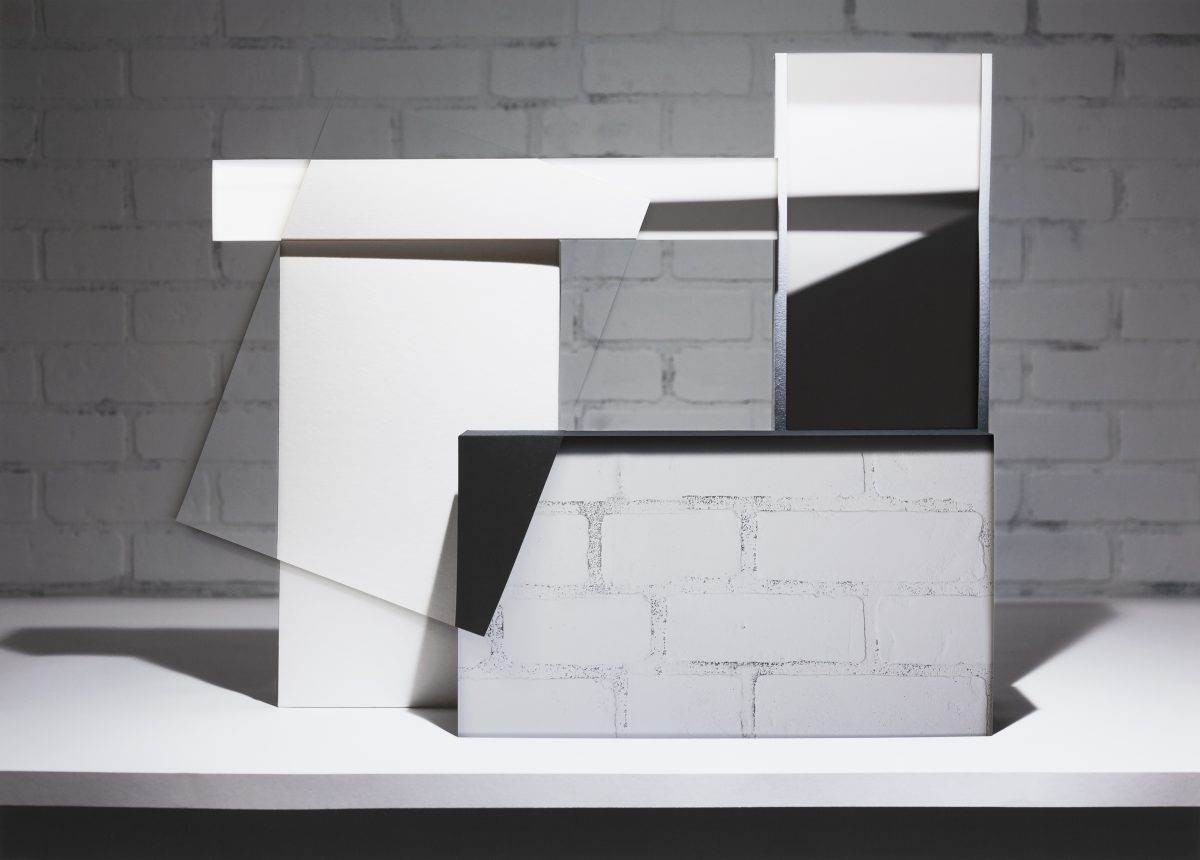
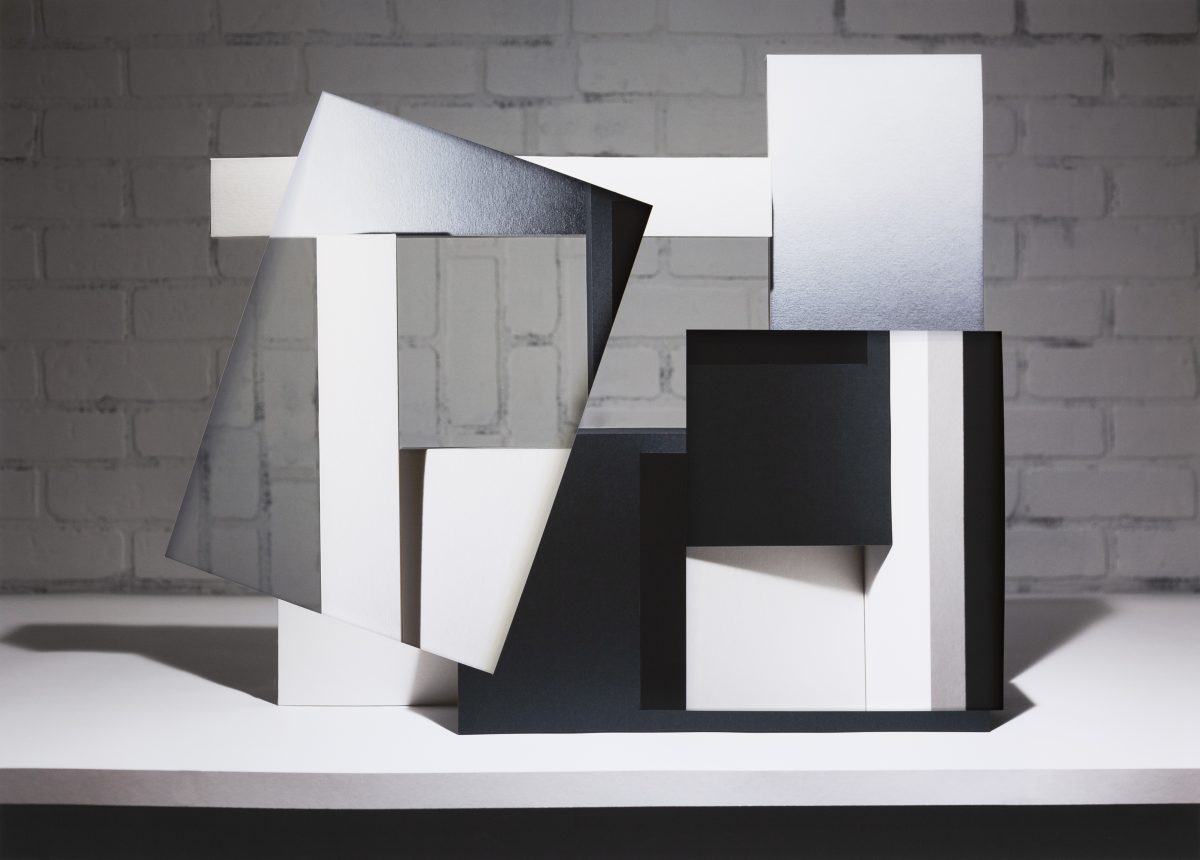
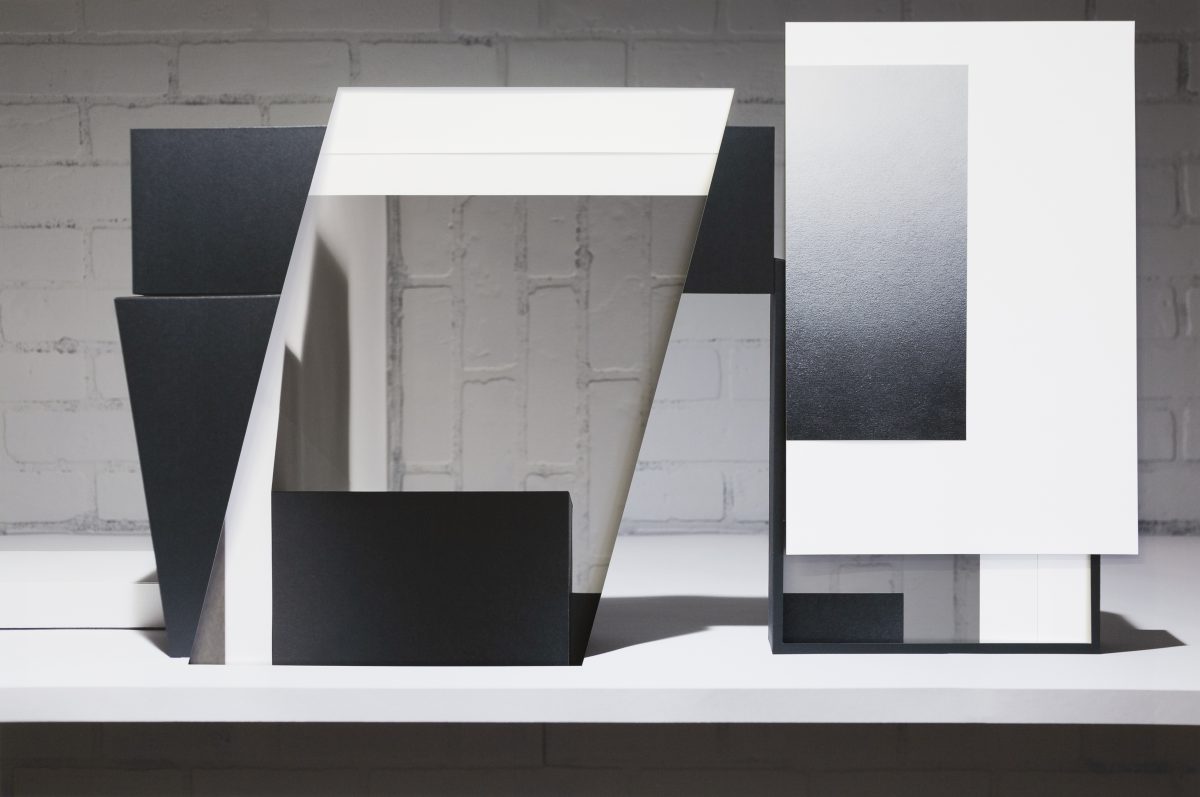
Architecture has been an especially important point of departure. Taylor photographs buildings, interiors, construction sites, and other elements of the built environment, then uses those images as raw material for collages, paintings, and three-dimensional works. Walls, windows, structural supports, shadows, negative spaces, and architectural details are fragmented and reassembled until their original sources become difficult to identify. The resulting compositions hover between recognizable space and abstraction.
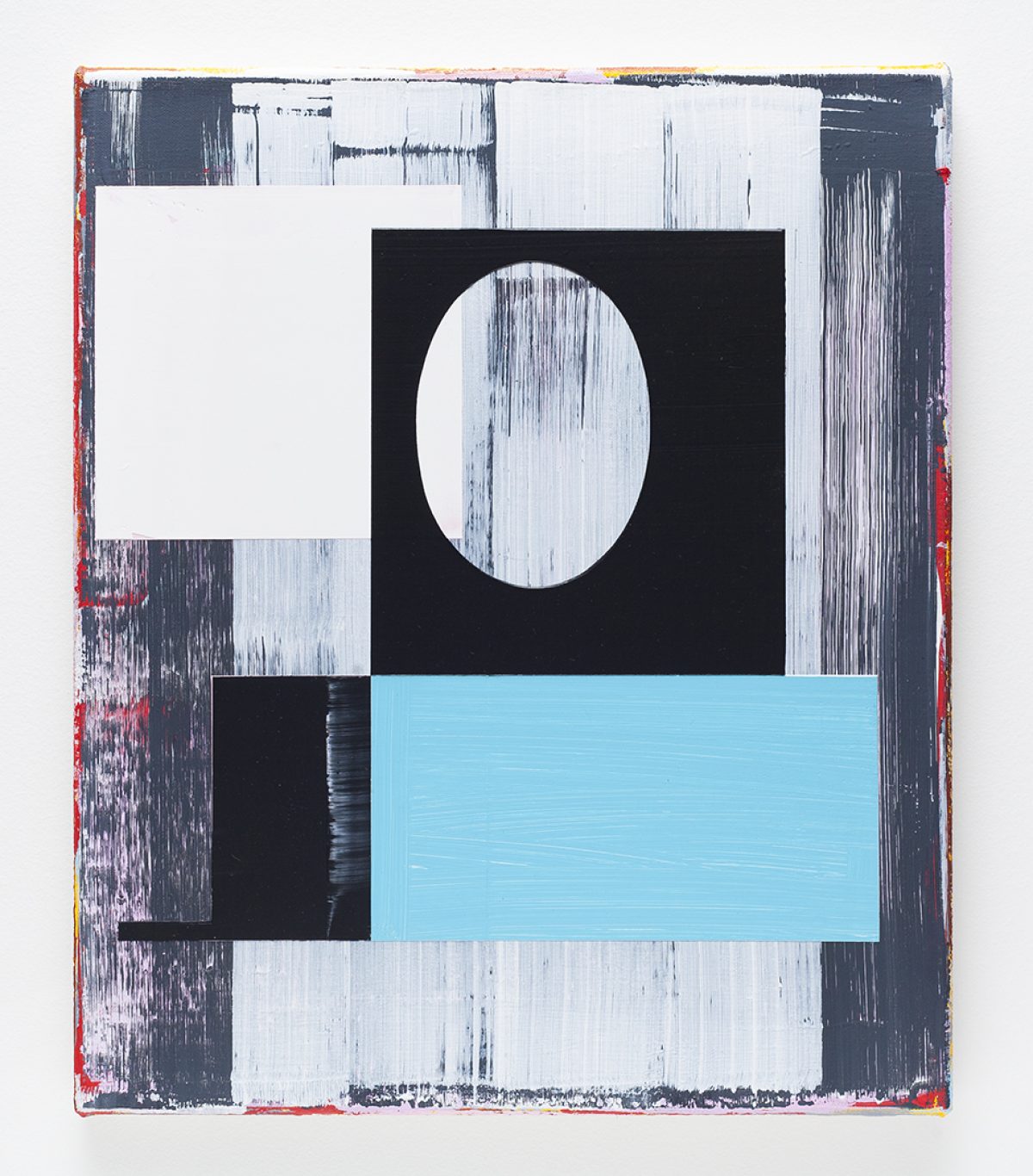
Collage functions as both a medium and a way of thinking within Taylor's practice. Cutting and recombining images allows him to break apart the apparent stability of architecture and reconstruct it according to a different visual logic. These collages can become independent works or serve as foundations for paintings, where the process of translation introduces additional shifts in scale, color, surface, and spatial relationships. His work frequently creates uncertainty about whether a form is projecting or receding, whether it belongs to a real structure or an invented one, and where the boundary between image and object actually lies.
Taylor's interest in construction extends naturally into sculpture and ceramics. His three-dimensional works often combine geometric and organic forms while questioning the relationship between structure and function. Having studied both painting and ceramics as an undergraduate, he has continued to move between disciplines rather than treating them as separate practices. A ceramic vessel, photographic fragment, painted shape, or constructed object can become part of the same broader investigation into form, surface, balance, and physical space.
This movement between media is central to Taylor's understanding of abstraction. Rather than treating abstraction as a withdrawal from the visible world, he often begins with something concrete—a building, room, photograph, material, or object—and subjects it to successive transformations. Representation and abstraction become points along the same continuum, with each stage of making offering a new way of understanding the original source.
His 2018 Haw Contemporary exhibition Open Plan brought these ideas together on an architectural scale. Occupying the entire ground floor of the gallery's Stockyards location, the exhibition combined paintings, photographic collages, and sculpture to investigate what Taylor described as the dualities of images and objects, representation and abstraction, perception and understanding, fact and fiction, and building and rebuilding. The exhibition took its title from the modernist architectural concept of interior space liberated from dividing walls, using the gallery itself as part of the work's exploration of constructed and perceived space.
Taylor has exhibited at institutions and galleries throughout the United States, including the Nerman Museum of Contemporary Art, Overland Park; Weatherspoon Art Museum, Greensboro, North Carolina; Grand Arts, Kansas City; CUE Art Foundation, New York; Tiger Strikes Asteroid, New York; H&R Block Artspace at the Kansas City Art Institute; and Shoshana Wayne Gallery, Los Angeles, among others. His work has also appeared in New American Paintings and Art in America.
At Haw Contemporary, Taylor presented his first solo exhibition with the gallery, Open Plan, in 2018. He subsequently joined Armin Mühsam and Warren Rosser for EDGE | CUT | PLAY in 2020, an exhibition bringing together the three artists' shared interests in constructed space, modularity, mass and void, color, pattern, collage, and architecture. Taylor has also participated in Haw Contemporary group exhibitions including Loose Group (2019), something clear (2020), and DECADE (2023).
Taylor's work is held in public and institutional collections including the Nerman Museum of Contemporary Art, University of Kansas Medical Center, and Polsinelli, as well as private collections throughout the United States.
He received a Joan Mitchell Foundation MFA Grant in 2008 and was awarded a Charlotte Street Foundation Fellowship in 2010. His residencies include the Vermont Studio Center, Joan Mitchell Center in New Orleans, and Ucross Foundation in Wyoming. More recently, he was selected as a 2024 resident artist at Studios Inc. in Kansas City.
Taylor has also played an important role in Kansas City's artist-run and curatorial community. He was a founding member of PLUG Projects, established in 2011 to connect Kansas City artists with a wider national network of contemporary practitioners. During his involvement, PLUG organized more than forty exhibitions and over one hundred public programs. The organization received a 2011 Rocket Grant supported by the Andy Warhol Foundation, Spencer Museum of Art, and Charlotte Street Foundation, as well as two Francis Family Foundation grants.
Taylor received his BFA from Northwest Missouri State University in 2004, double-majoring in painting and ceramics, and his MFA in Painting from Montana State University in Bozeman in 2008. After teaching for many years at the Kansas City Art Institute, he is currently a Professor at Metropolitan Community College–Longview.
Throughout his practice, Taylor approaches art-making as an act of construction. Whether cutting apart a photograph, building a ceramic form, assembling a sculpture, or translating architectural fragments into paint, he uses material and process to destabilize familiar ways of seeing. The resulting works occupy an intentionally uncertain territory between real and imagined space, asking viewers to reconsider how images, objects, and environments are built—and how our perception of them is constructed in turn.