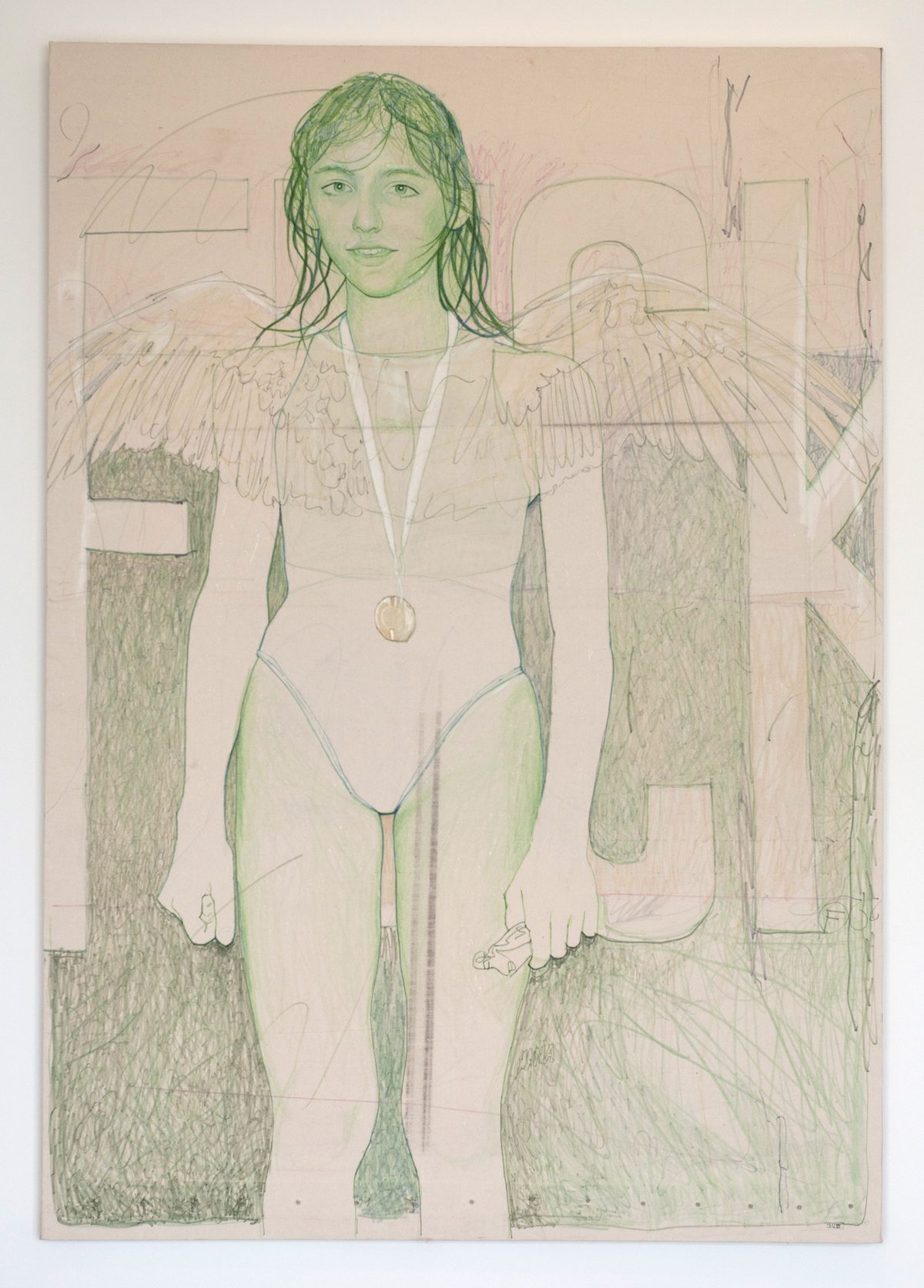
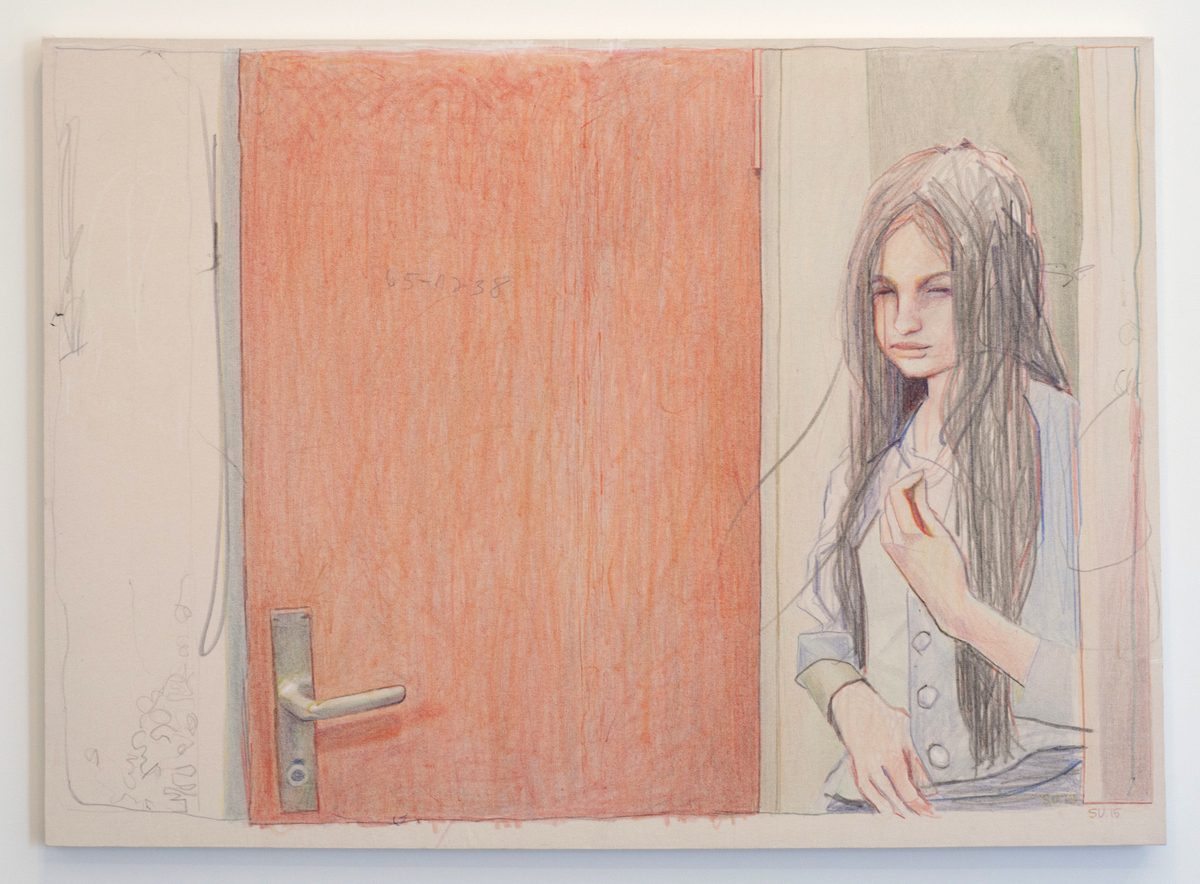
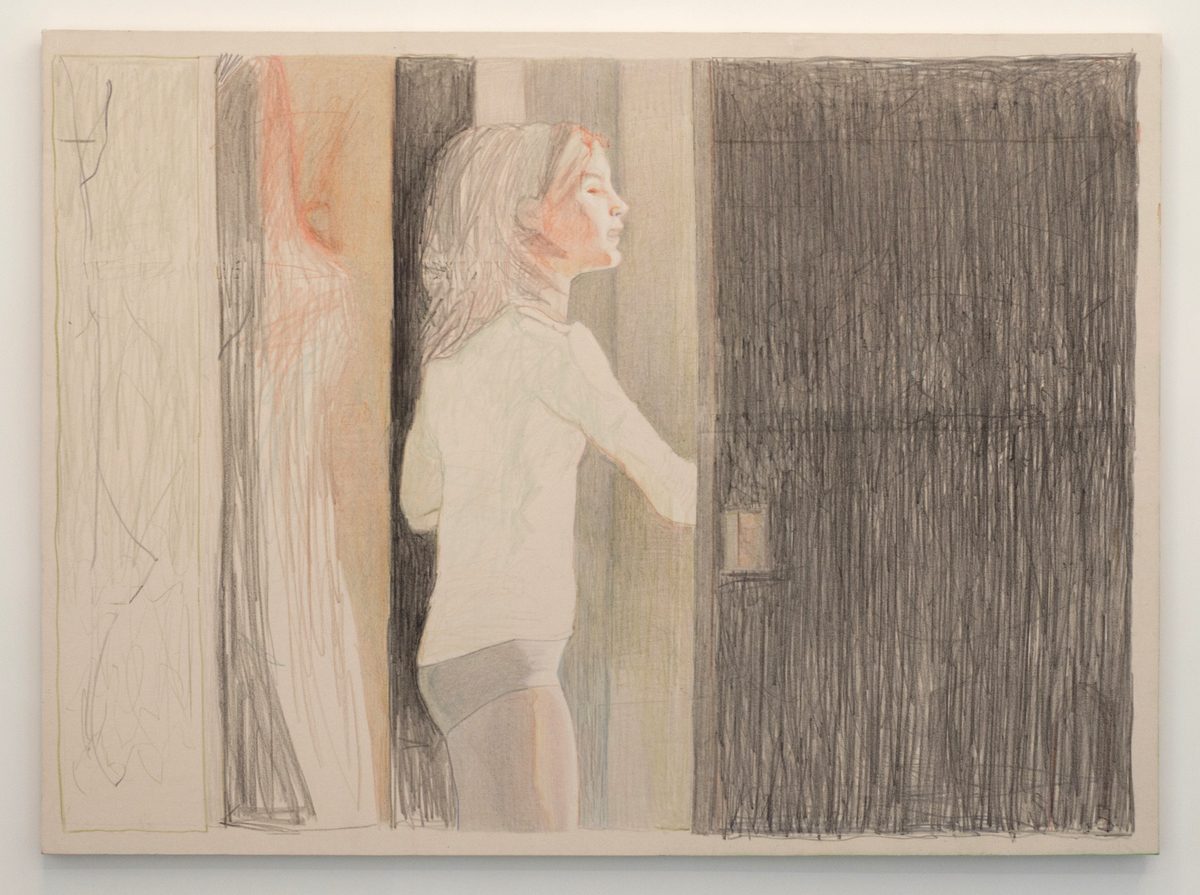
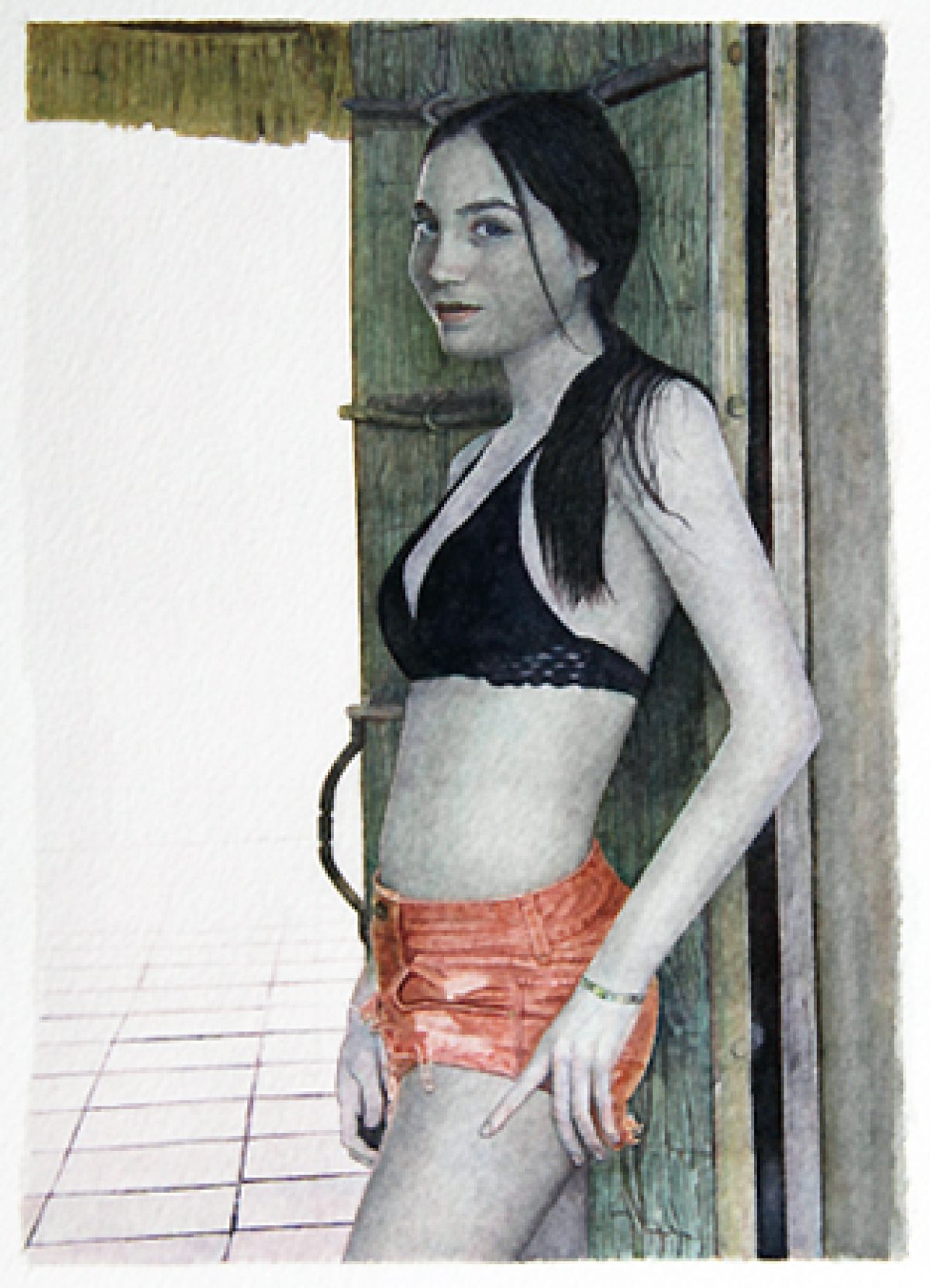
Sam Umbral is a Kansas City–based artist whose practice has evolved significantly over the course of their career, moving from meticulously rendered miniature paintings based on digital photographs toward a broader multidisciplinary engagement with identity, gender, addiction, incarceration, homelessness, and the human consequences of the War on Drugs. Working through portraiture and other forms of image-making, Umbral brings an intimate scale and personal perspective to subjects that are often reduced to statistics or political abstractions.
Umbral first gained recognition under the name Chris Biddy and later worked as Samara Umbral before adopting the name Sam Umbral. Because significant exhibitions, awards, publications, and institutional records from earlier periods remain catalogued under those previous names, their exhibition history necessarily spans all three. Across these changes, portraiture and an interest in how identity is constructed, represented, and preserved have provided an important continuity within the work.
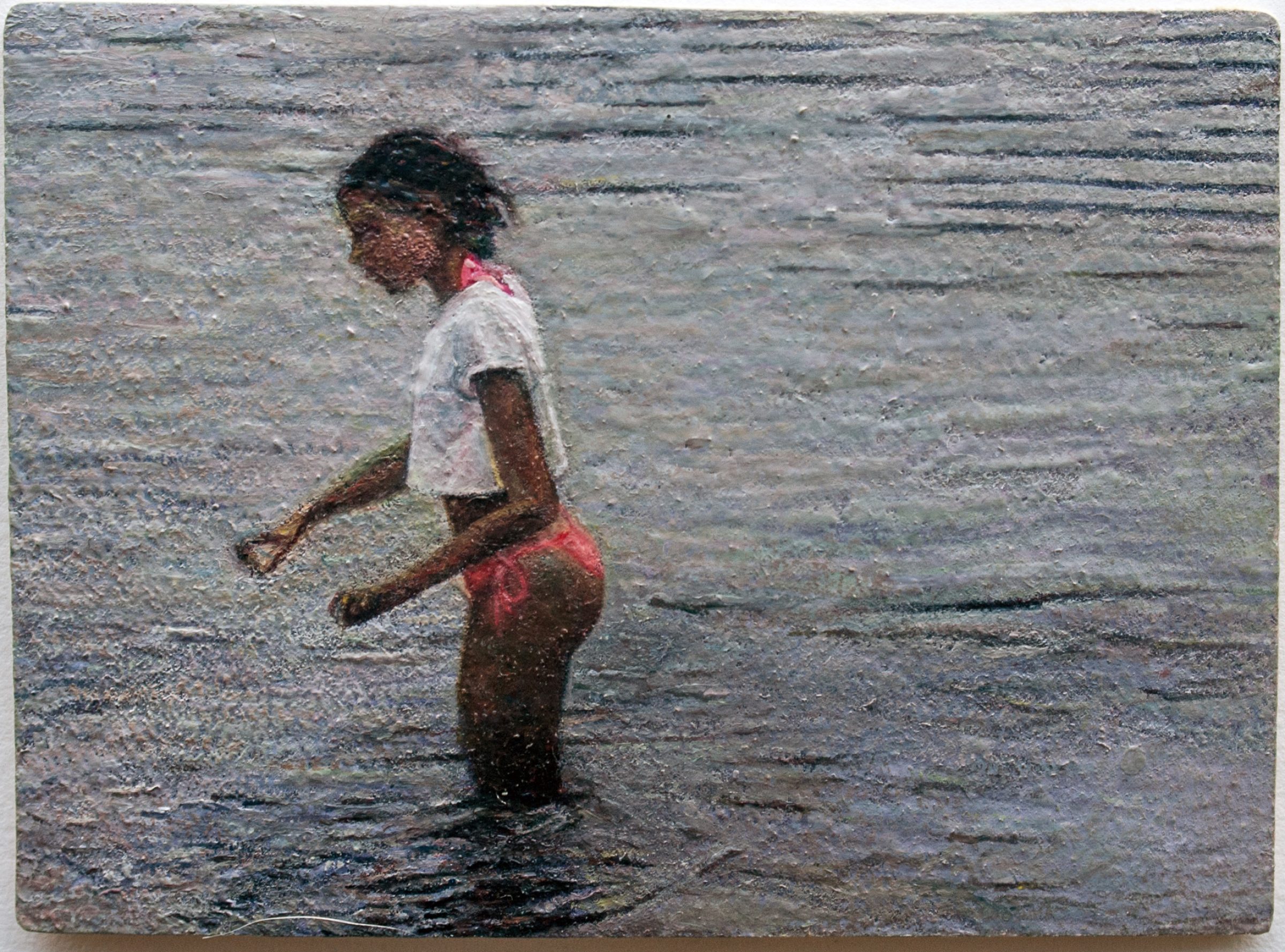
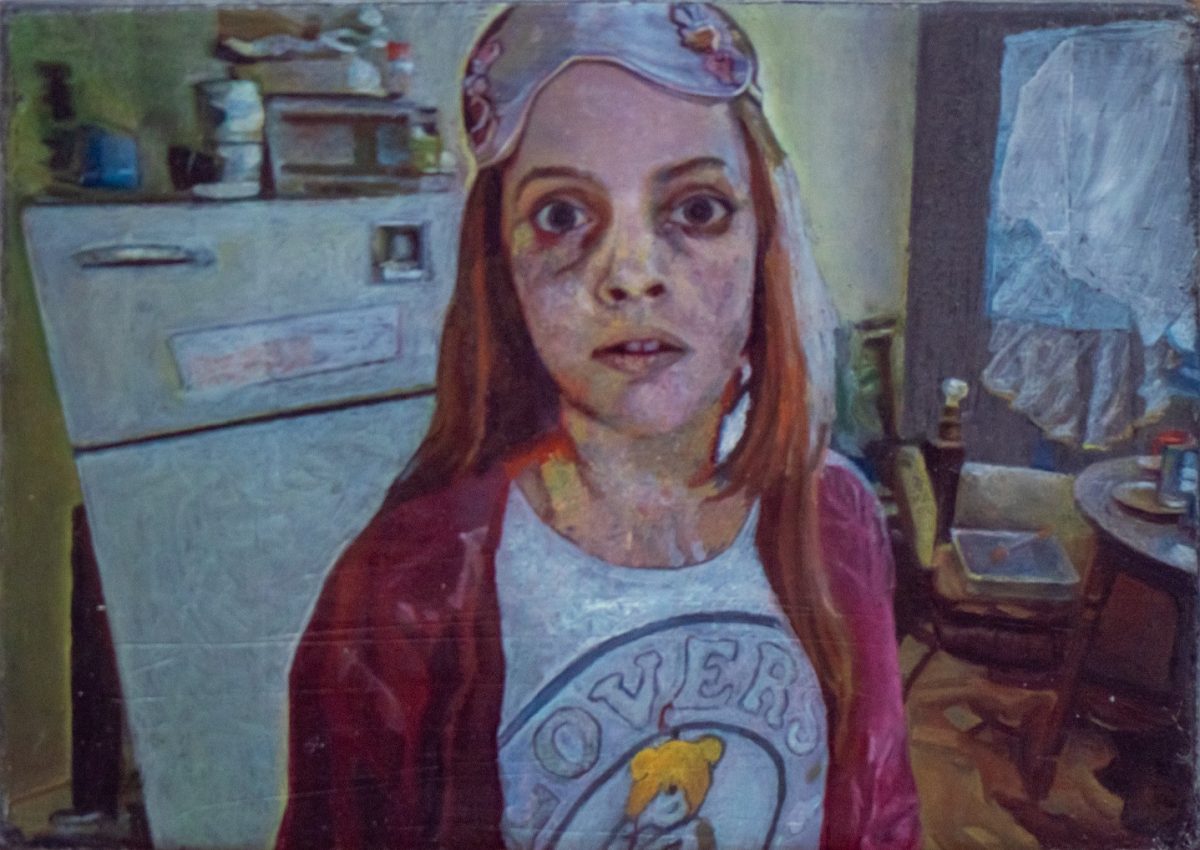
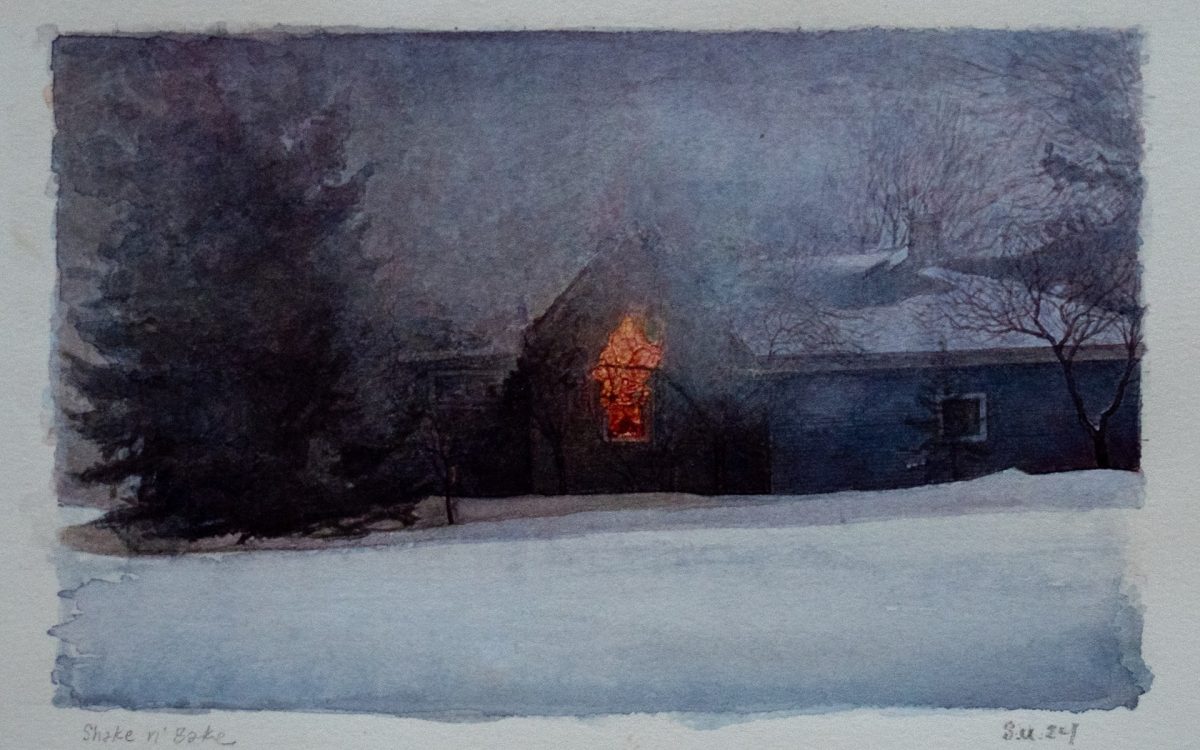
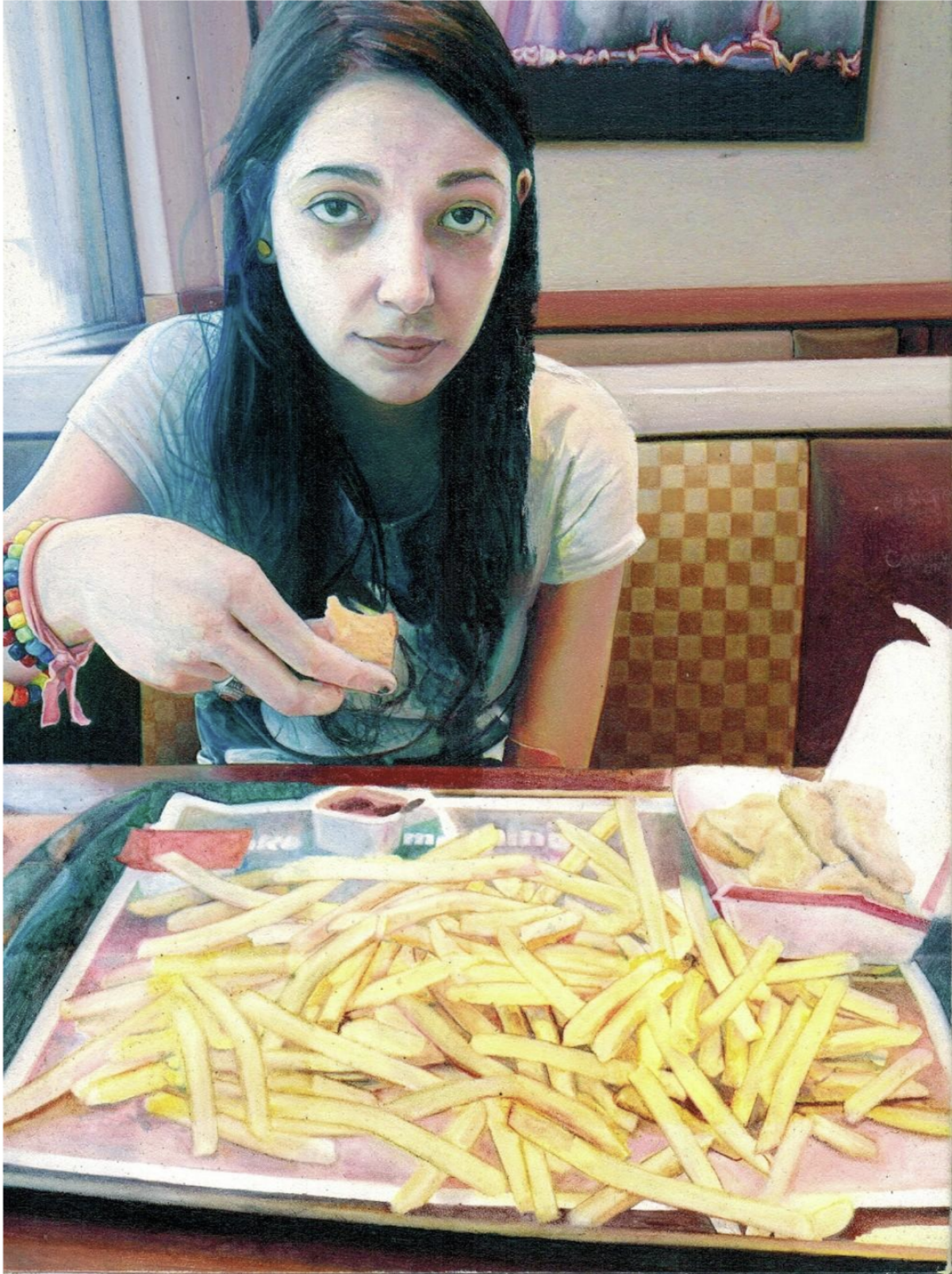
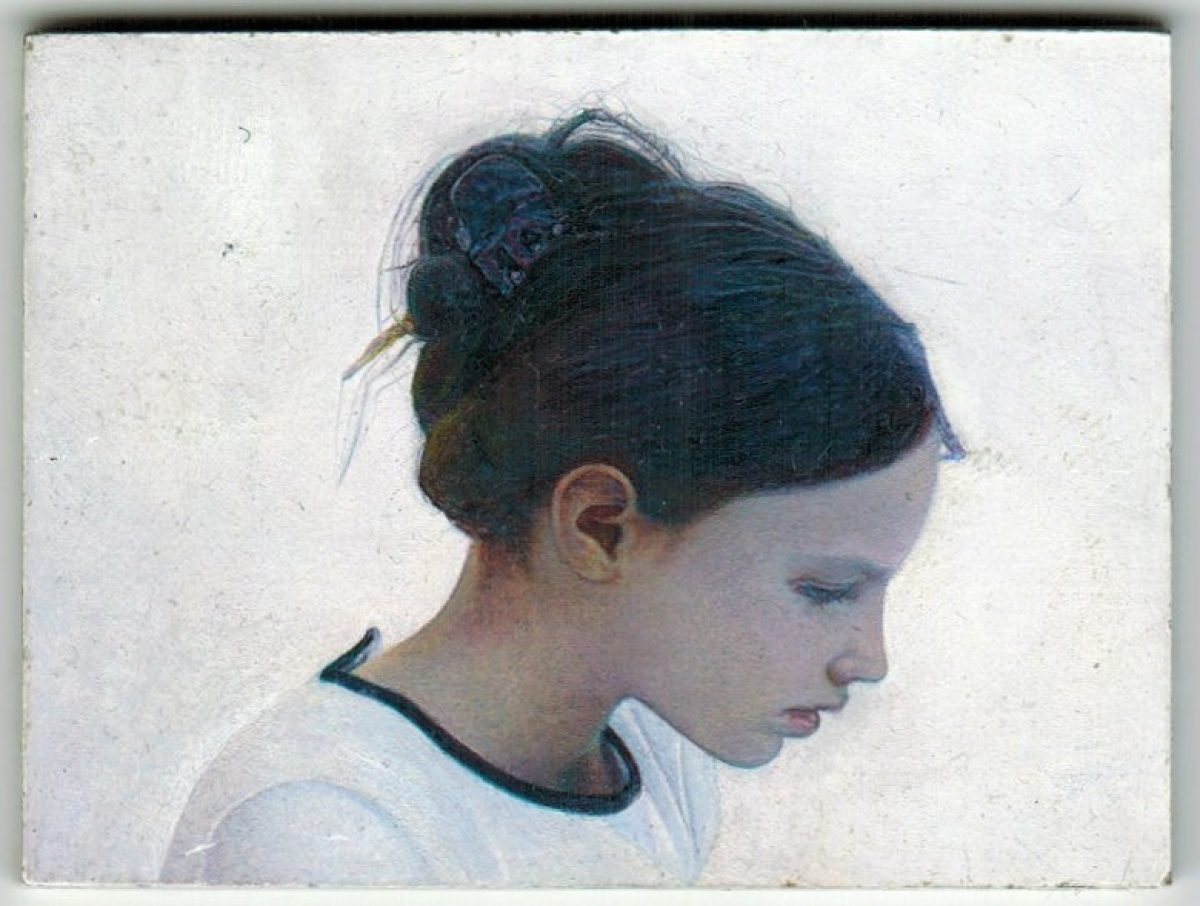
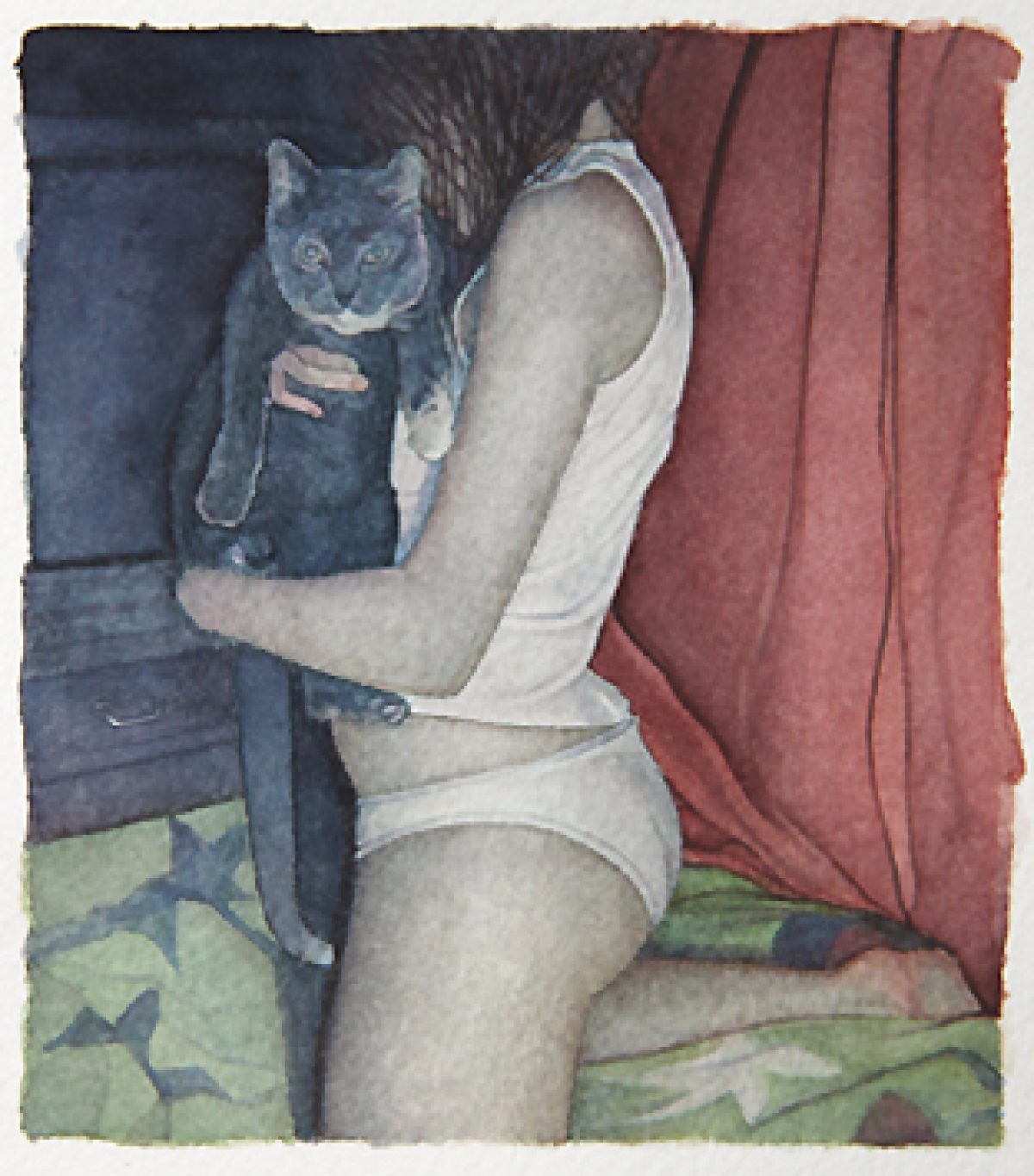
Early in their career, Umbral developed a distinctive body of small-scale paintings based largely on photographs encountered through social media and other digital sources. Working at dimensions comparable to photographs or smartphone screens, they translated ephemeral digital images into painstakingly rendered objects in oil, watercolor, encaustic, and other traditional media.
Umbral described this approach as "photograph realism," distinguishing it from conventional photorealism. The diminutive scale was essential: images that might normally be encountered fleetingly on a phone became intimate physical objects requiring close attention. By converting disposable digital photographs into labor-intensive paintings, Umbral reversed the speed and immateriality of contemporary image culture.
This work received significant institutional attention early in their career. In 2012, the Nerman Museum of Contemporary Art presented the solo exhibition Kids, featuring paintings derived from photographs adolescents had made of themselves.
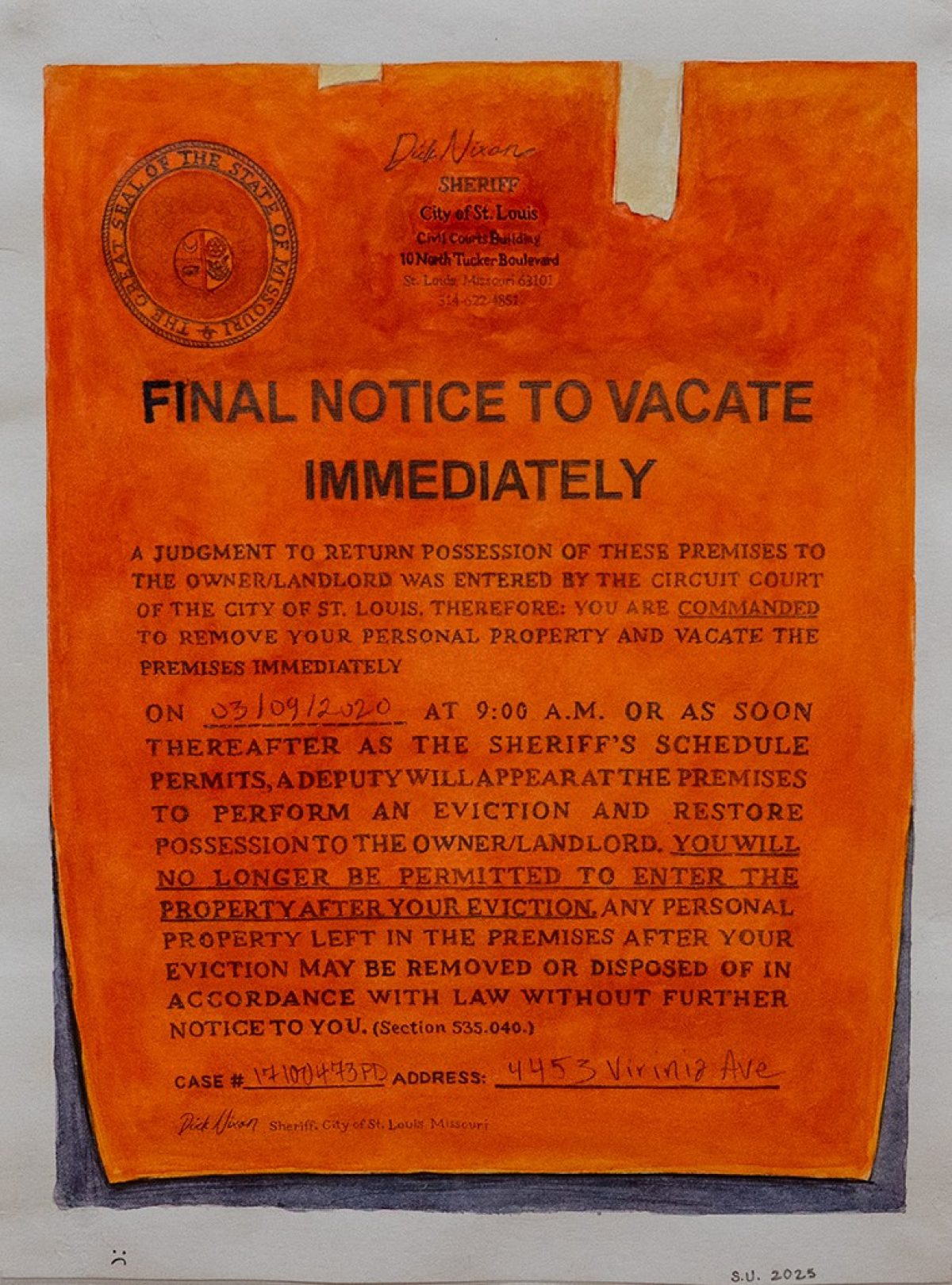
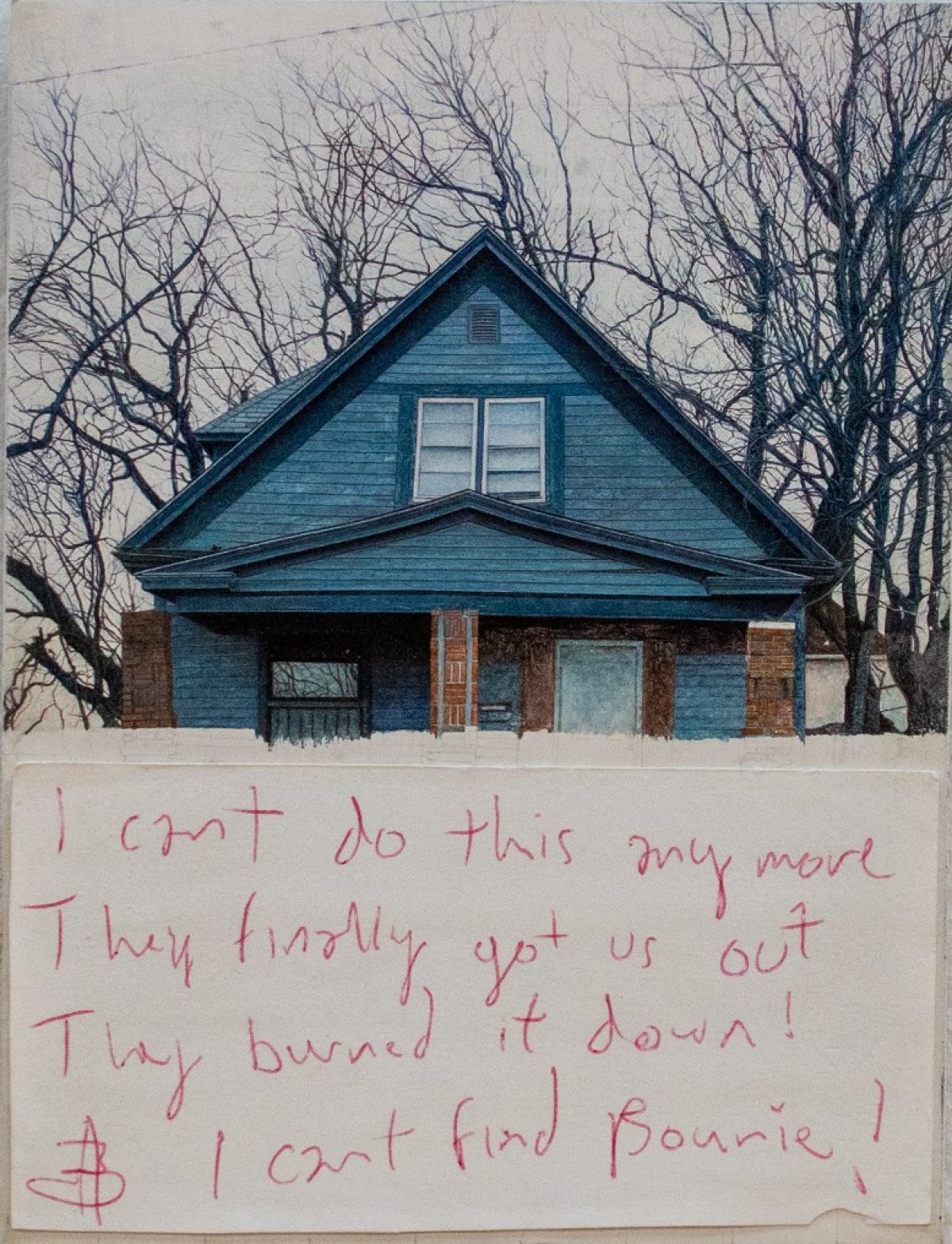
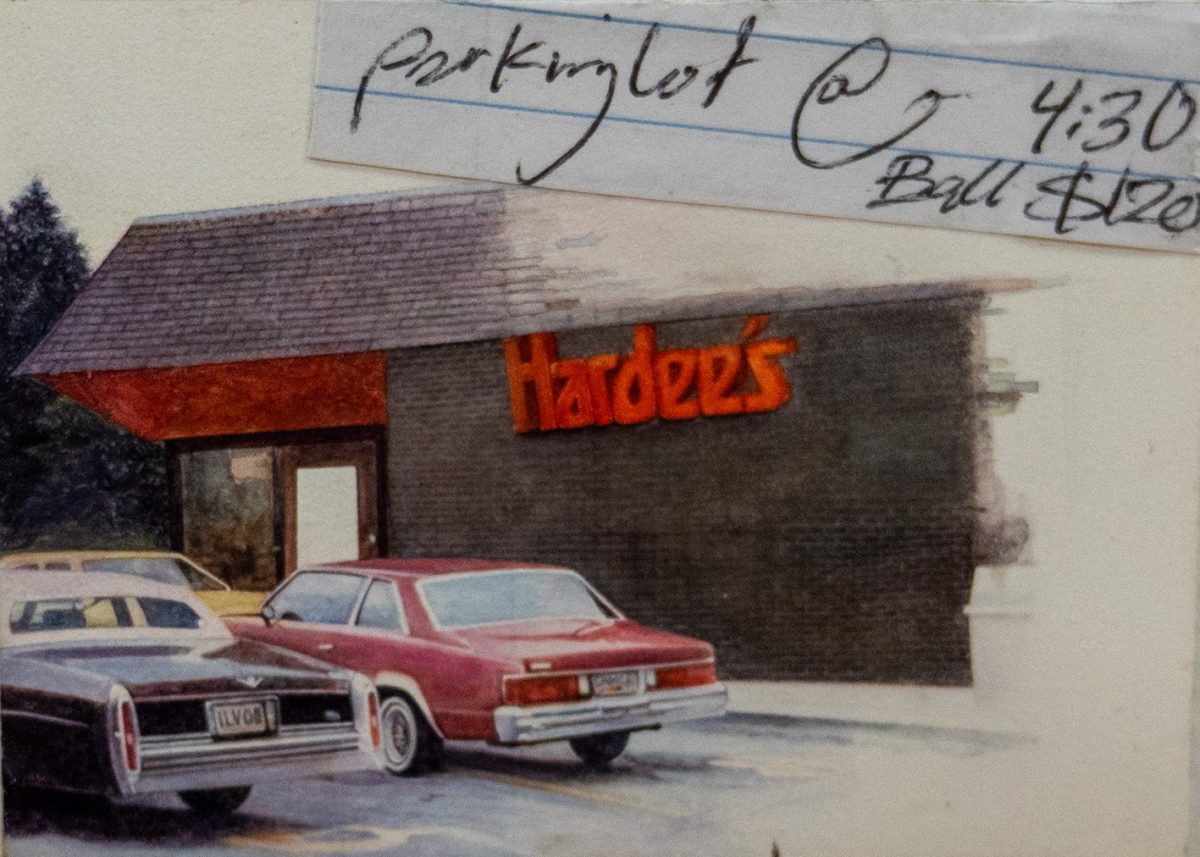
At Haw Contemporary, Umbral presented F in 2015, an exhibition grappling with identity, contemporary culture, and the limits of the conventional artist statement. She-Bop followed in 2017, bringing together intimate miniature paintings ranging from portraits and personal snapshots to landscapes and still lifes. In 2026, Haw presented It All Just Feels Like One Long Day, an exhibition of paintings and artist books rooted in lived experience with addiction, recovery, trauma, and survival and confronting the social systems that punish vulnerability.
More recently, Umbral's practice has expanded beyond the concerns that initially established their reputation. Questions of identity and gender intersect with a growing engagement with systemic social issues, particularly addiction, homelessness, incarceration, and drug policy. These subjects are approached not as distant political themes but through lived experience and the lives of individuals affected by systems that frequently render them invisible.
Portraiture remains particularly suited to this work because of its insistence on the individual. Against the abstraction of terms such as addiction, homelessness, incarceration, and the War on Drugs, Umbral's work returns attention to particular bodies, faces, relationships, and experiences.
Umbral received a Charlotte Street Foundation Visual Artist Award and the Byron C. Cohen Award in 2017. They hold a BFA from the Kansas City Art Institute and an MFA from the City College of New York. They live and work in Kansas City.