Bio
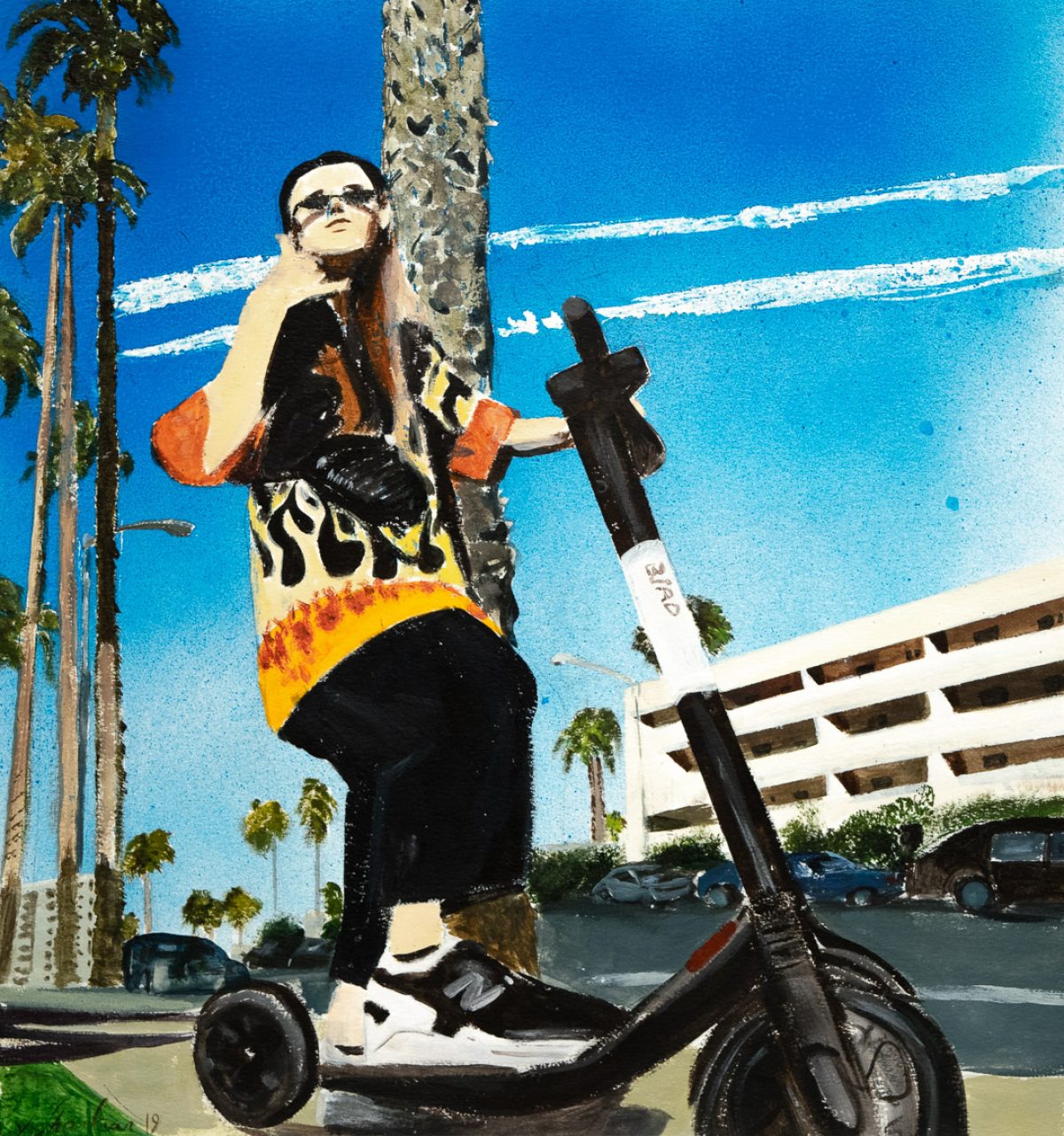
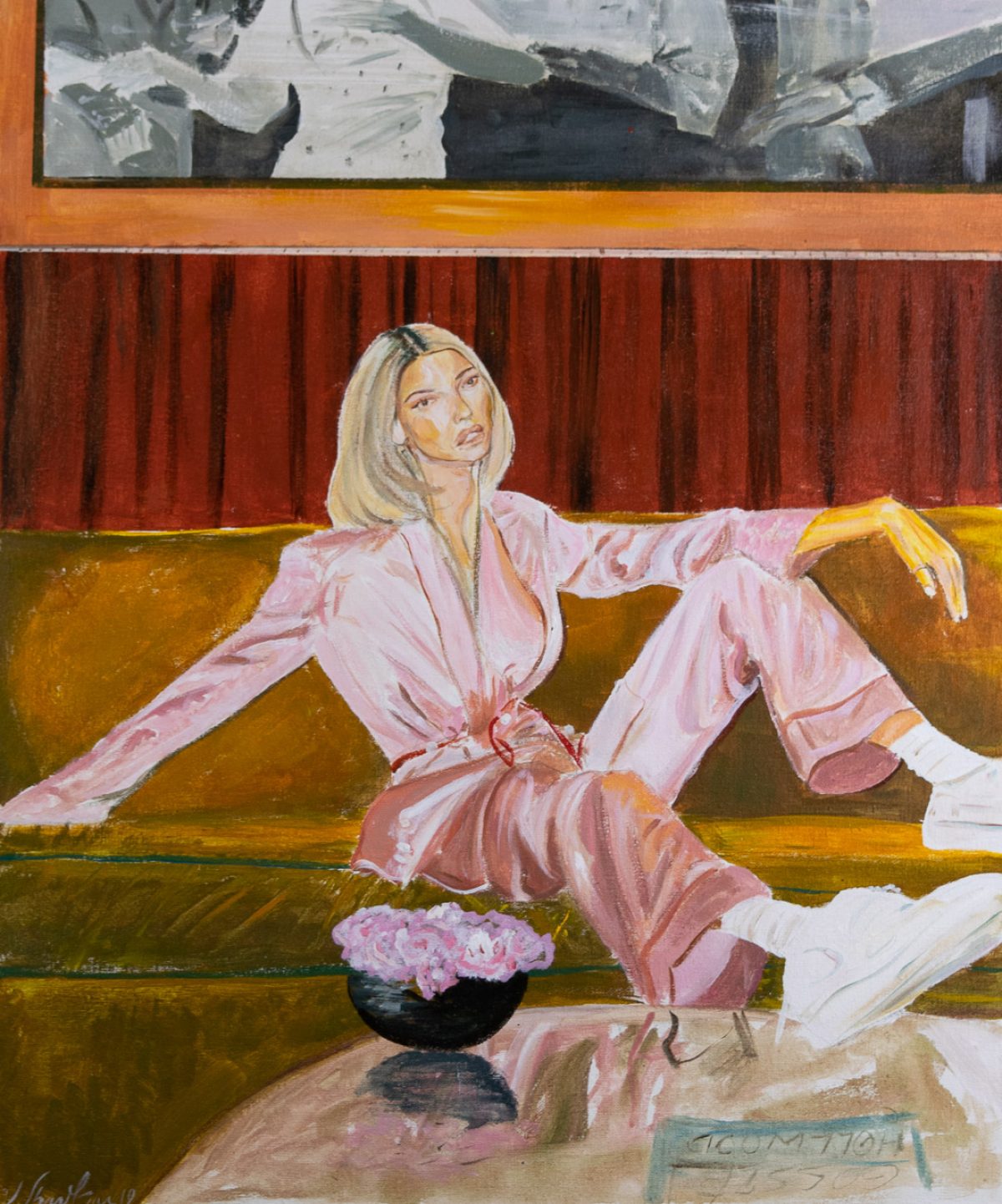
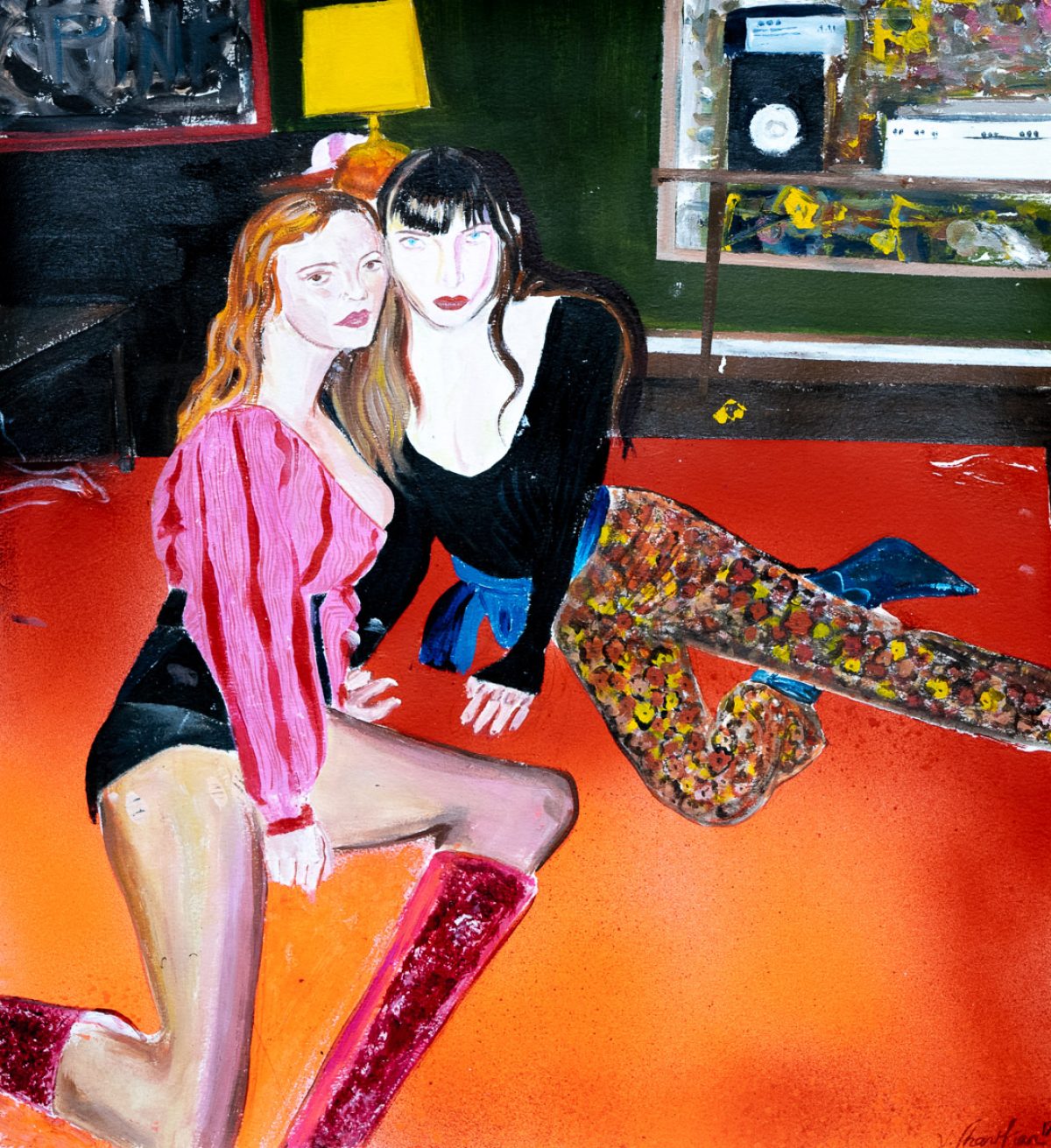
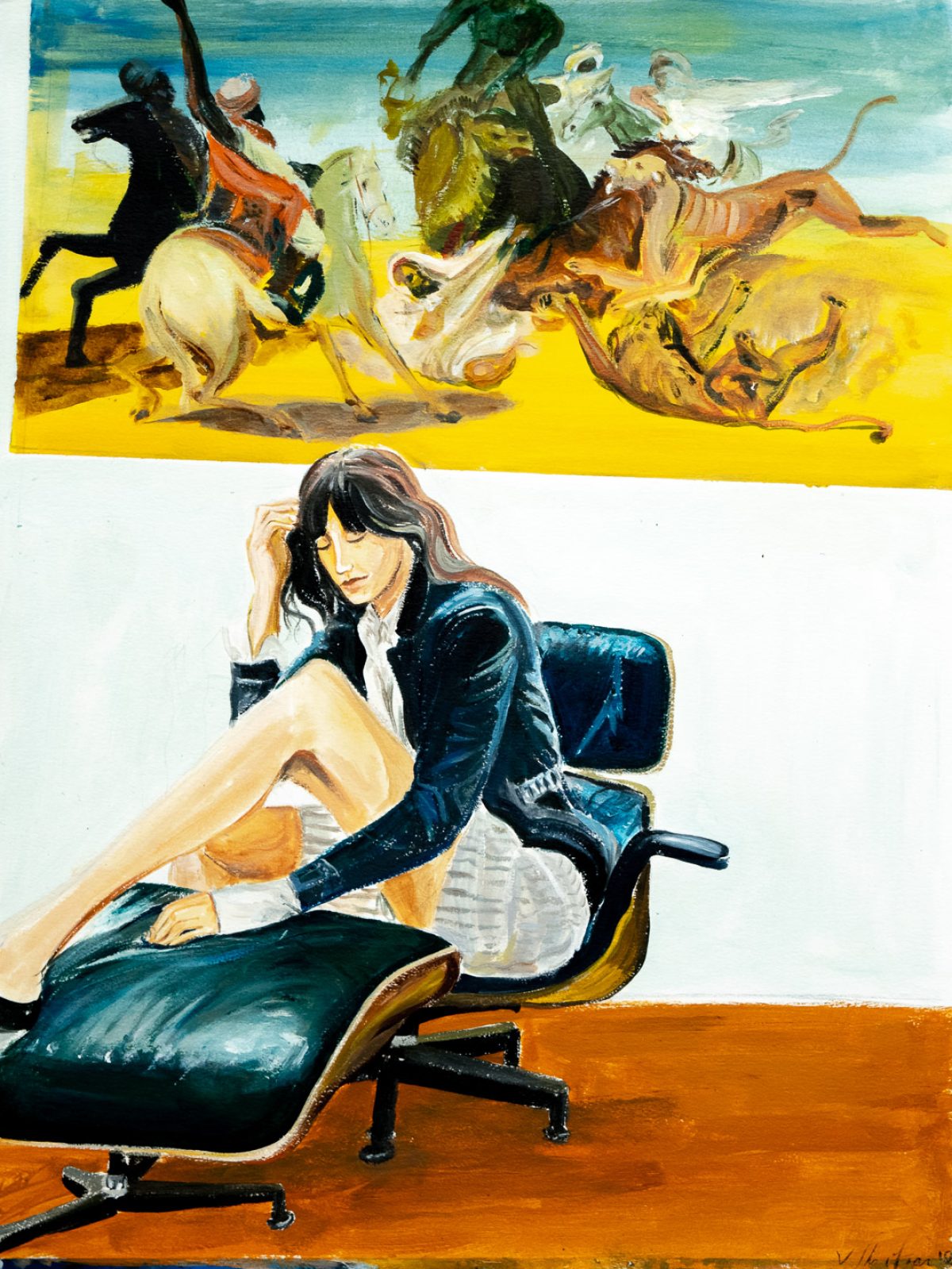
Vahid Sharifian (b. 1982, Isfahan, Iran) is an Iranian artist and writer whose irreverent, provocative practice moves across painting, photography, sculpture, installation, writing, and curatorial projects. Combining humor, sexuality, fantasy, popular culture, art history, and deliberate absurdity, Sharifian creates works that resist easy interpretation and frequently undermine expectations surrounding both contemporary Iranian art and the traditions of Western Pop and conceptual art.
Sharifian studied painting at the University of Tehran, but his practice quickly expanded beyond the medium. From the beginning, he has treated styles and categories as material to be manipulated rather than rules to be followed. Photorealistic painting can coexist with deliberately crude imagery; references to advertising and celebrity culture appear alongside religious, political, and art-historical symbols; and autobiography regularly slips into fantasy.
Humor is fundamental to Sharifian's work. His paintings and installations can be comic, erotic, grotesque, sentimental, or deliberately ridiculous, often all at once. Rather than separating supposedly serious subjects from vulgar or popular imagery, Sharifian collapses these distinctions. Sexuality, romance, violence, celebrity, family, politics, and fantasy inhabit the same unstable visual world, creating works that can initially appear playful before revealing more uncomfortable implications.
Sharifian has described his approach as "Papa'ism," a deliberately mischievous response to both Pop Art and Dada. The term captures his tendency to appropriate recognizable visual languages while refusing their established rules. Consumer imagery and mass culture associated with Pop can be pushed toward the personal, sexual, and irrational, while the disruptive strategies of Dada become intertwined with storytelling, sentimentality, and autobiography.
His long-running series My father is a democrat and through his chimney there are always hearts flying to the sky demonstrates the deeply personal dimension underlying much of this apparent absurdity. Drawing upon Sharifian's relationship with his father and the generation to which he belonged, the project combines family memory, fantasy, humor, and political language without resolving them into a straightforward narrative. The exaggerated title itself operates almost as a miniature work of fiction.
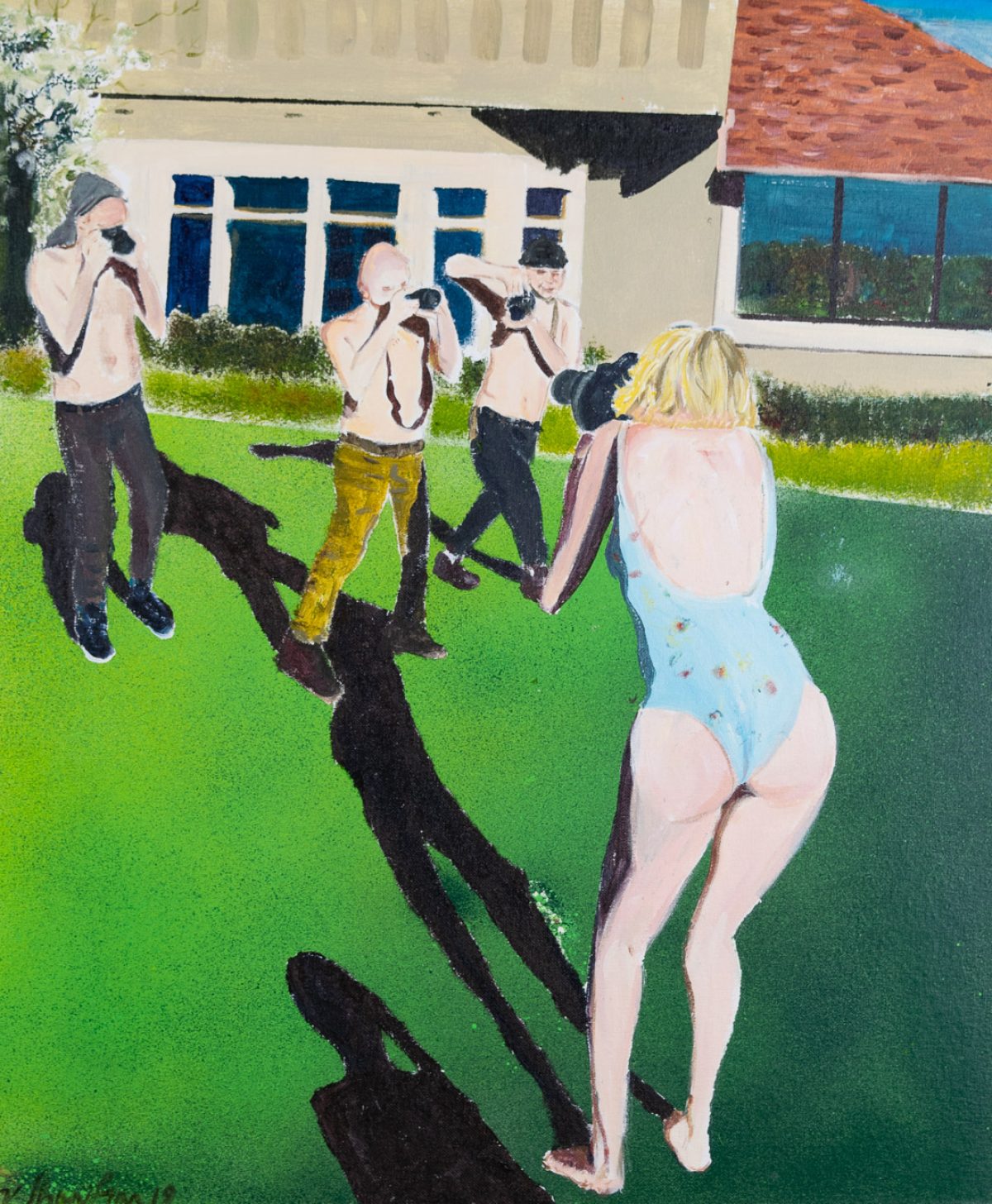
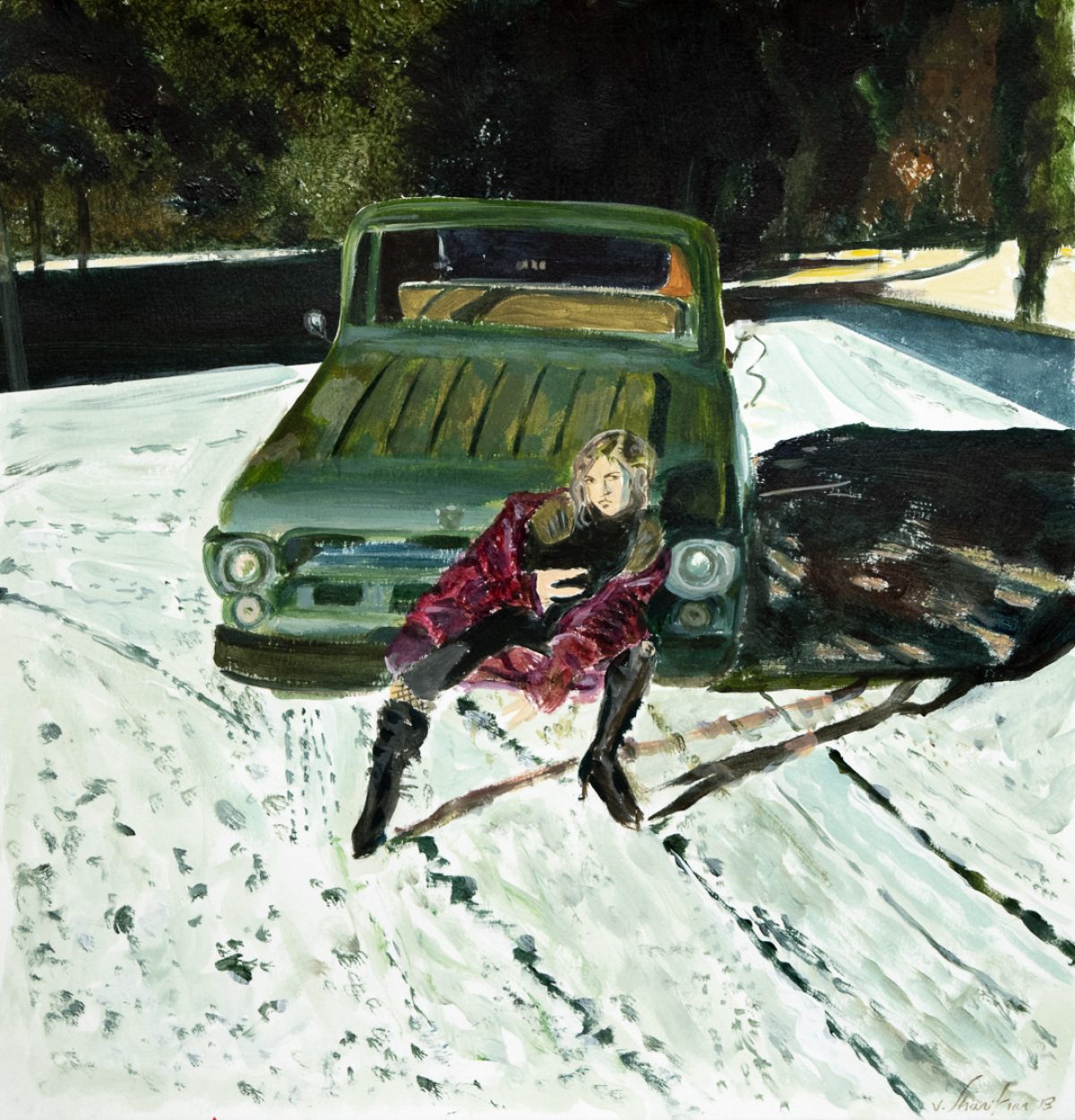
Questions of looking and being looked at recur throughout Sharifian's paintings. Figures are frequently posed, exposed, photographed, watched, or placed in situations that make the viewer conscious of voyeurism. Sexualized bodies and tabloid-like scenarios can appear alongside surreal distortions and impossible anatomies, implicating the viewer in the act of looking while destabilizing conventional distinctions between desire, objectification, humor, and discomfort.
Sharifian's relationship to Iranian identity is similarly resistant to simple interpretation. Although his work has frequently been exhibited within surveys of contemporary Iranian art, he has pushed back against expectations that an Iranian artist must make work that can be explained primarily through nationality or politics. This resistance itself became relevant within exhibitions such as Iran Inside Out, which examined artists working both within Iran and throughout the diaspora and the complicated relationship between geography, cultural identity, and individual expression.
Sharifian emerged internationally during a period of growing attention to a new generation of Iranian contemporary artists. His work was included in Memorial to the Iraq War at the Institute of Contemporary Arts, London, in 2007, alongside artists including Jeremy Deller, Liam Gillick, Sanja Iveković, Nate Lowman, Collier Schorr, and others. In 2009, his work appeared in Raad o Bargh at Galerie Thaddaeus Ropac in Paris and Iran Inside Out at the Chelsea Art Museum in New York; the latter exhibition subsequently traveled to the Farjam Foundation in Dubai.
Other significant international exhibitions have included Ground Floor America at Den Frie Centre of Contemporary Art, Copenhagen; Songs of Loss and Songs of Love at Gwangju Museum of Art, South Korea; exhibitions at Asia House, London; Kunstraum Deutsche Bank, Salzburg; and galleries and institutions in Rome, Shanghai, Athens, Dubai, Los Angeles, and elsewhere. In 2015, Sharifian participated in The Great Game, the Iranian Pavilion exhibition at the 56th Venice Biennale.
His solo exhibitions include Game Without a Ball (2006), Waiting for Jeff Koons (2007), My father is a democrat and through his chimney there are always hearts flying to the sky (2008–09), Martyr (2011), Flowars (2012), Eastern Angry Birds (2014), and Romantic Facilities (2014), presented at galleries in Tehran, Dubai, and Los Angeles.
Writing forms a parallel strand of Sharifian's practice. He has published poetry, fiction, and screenwriting, including Funeral, The Line of Pines and the White Cat, Second Son of Mary, Songs of Black Tulips, and Deer T Shirt. His experimental story Three Dollops of Ketchup was published by the Centre for Contemporary Arts Glasgow's journal 2HB. The movement between visual art and writing reflects the narrative impulse that runs throughout his work, in which individual artworks often behave like fragments of larger, unresolved stories.
Sharifian's work has received international critical attention and has been discussed or featured in publications including The New York Times, The Wall Street Journal, ARTnews, and Art in America. He was selected for Francesca Gavin's book 100 New Artists, published by Laurence King in 2011, and his work is also discussed in Hamid Keshmirshekan's Contemporary Iranian Art: New Perspectives.
Across painting, photography, sculpture, installation, and writing, Sharifian maintains an intentionally unruly practice. Art history and pornography, affection and satire, Iranian and Western culture, private memory and public imagery, sophistication and bad taste are allowed to collide without being reconciled. The resulting work is funny, unsettling, and difficult to categorize—an approach that has made Sharifian a distinctive voice within the generation of Iranian artists who emerged internationally in the first decades of the twenty-first century.
Museum & Institutional Exhibitions
- Great Game, Iran Pavilion, Venice Biennale, Venice, Italy 2015 (Group)
- Songs of Loss and Songs of Love, Gwangju Museum of Art, Gwangju, South Korea 2014 (Group)
- Ground Floor America, Den Frie Centre of Contemporary Art, Copenhagen, Denmark 2010 (Group)
- Iran Inside Out, The Farjam Foundation, Dubai, United Arab Emirates 2010 (Group)
- Iran Inside Out, Chelsea Art Museum, New York, NY 2009 (Group)
- Iran Inside Out: Homeland and Diaspora in Contemporary Iranian Art, DePaul Art Museum, Chicago, IL 2009 (Group)
- Made in Iran, Asia House, London, United Kingdom 2009 (Group)
- Nightingales Song of Oil Rich Regions, Isfahan Museum of Contemporary Arts, Isfahan, Iran 2008 (Group)
- Memorial to the Iraq War, Institute of Contemporary Arts, London, United Kingdom 2007 (Group)