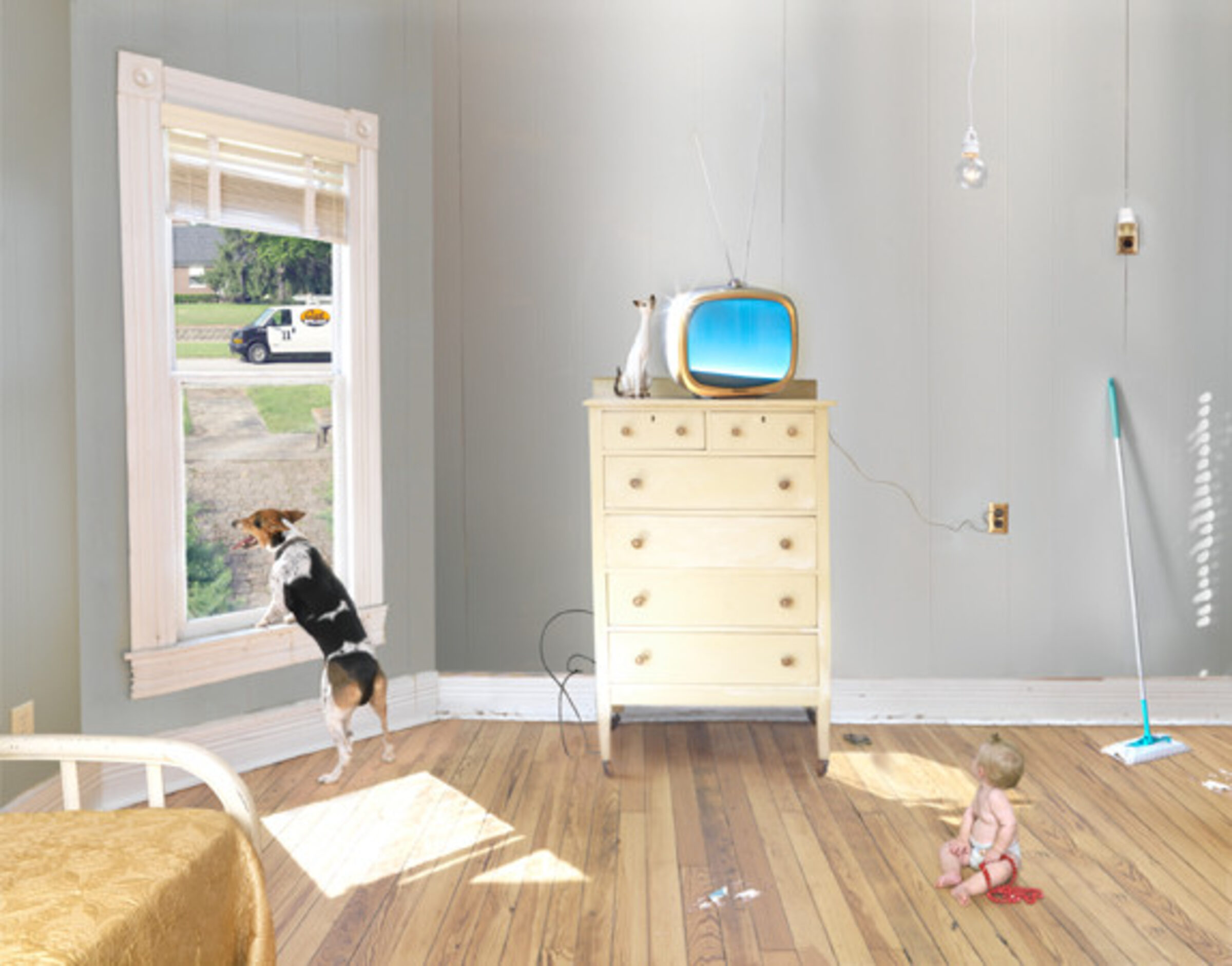
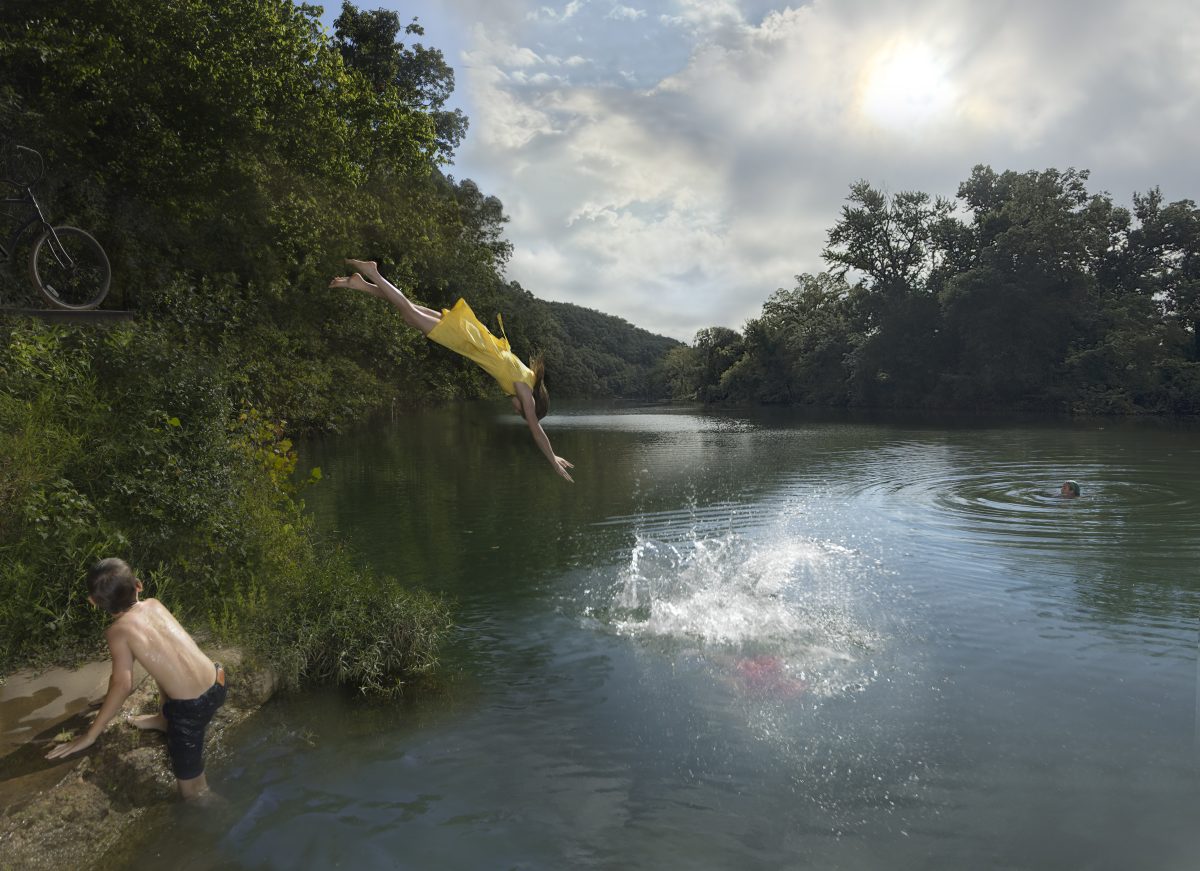
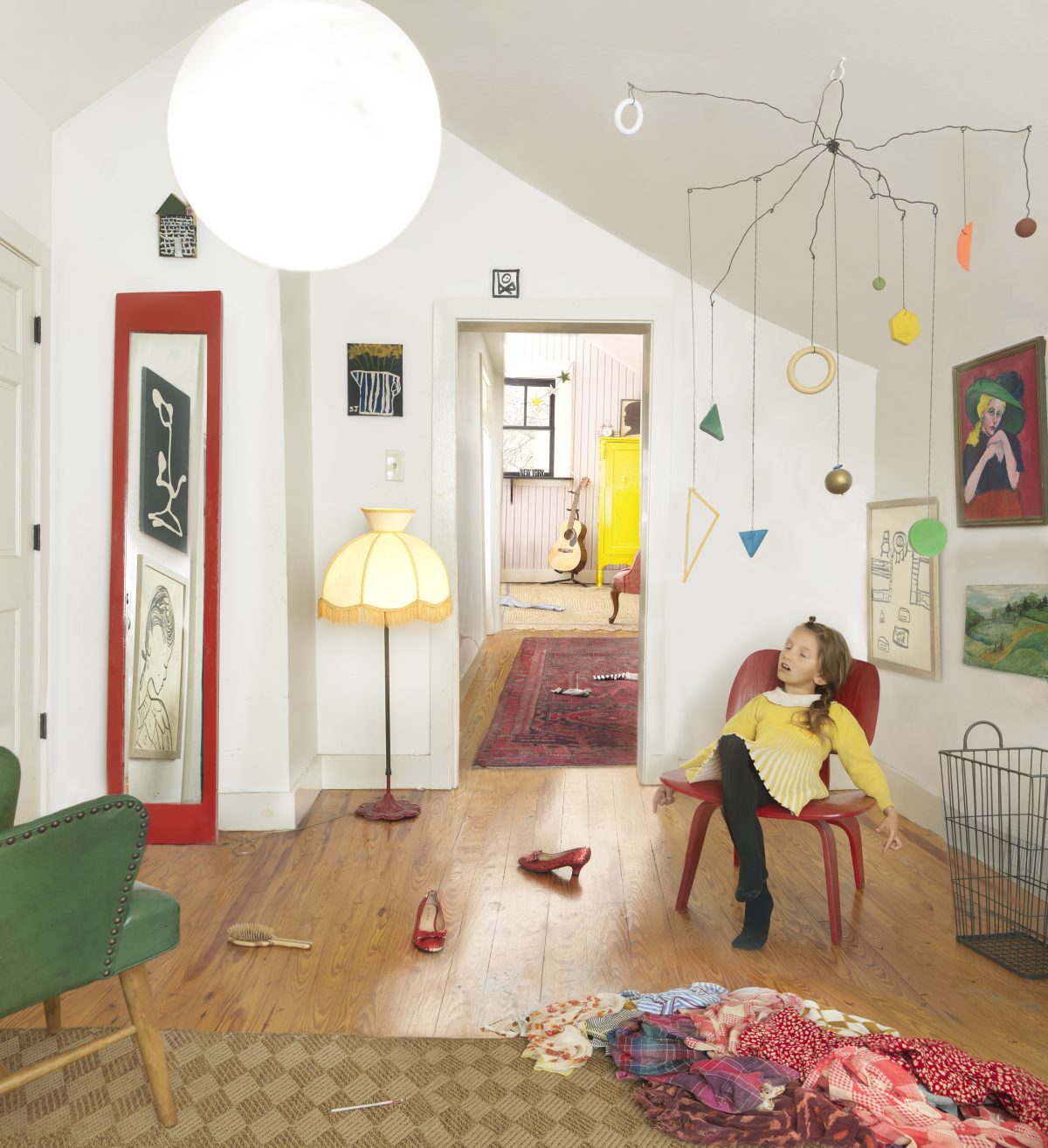
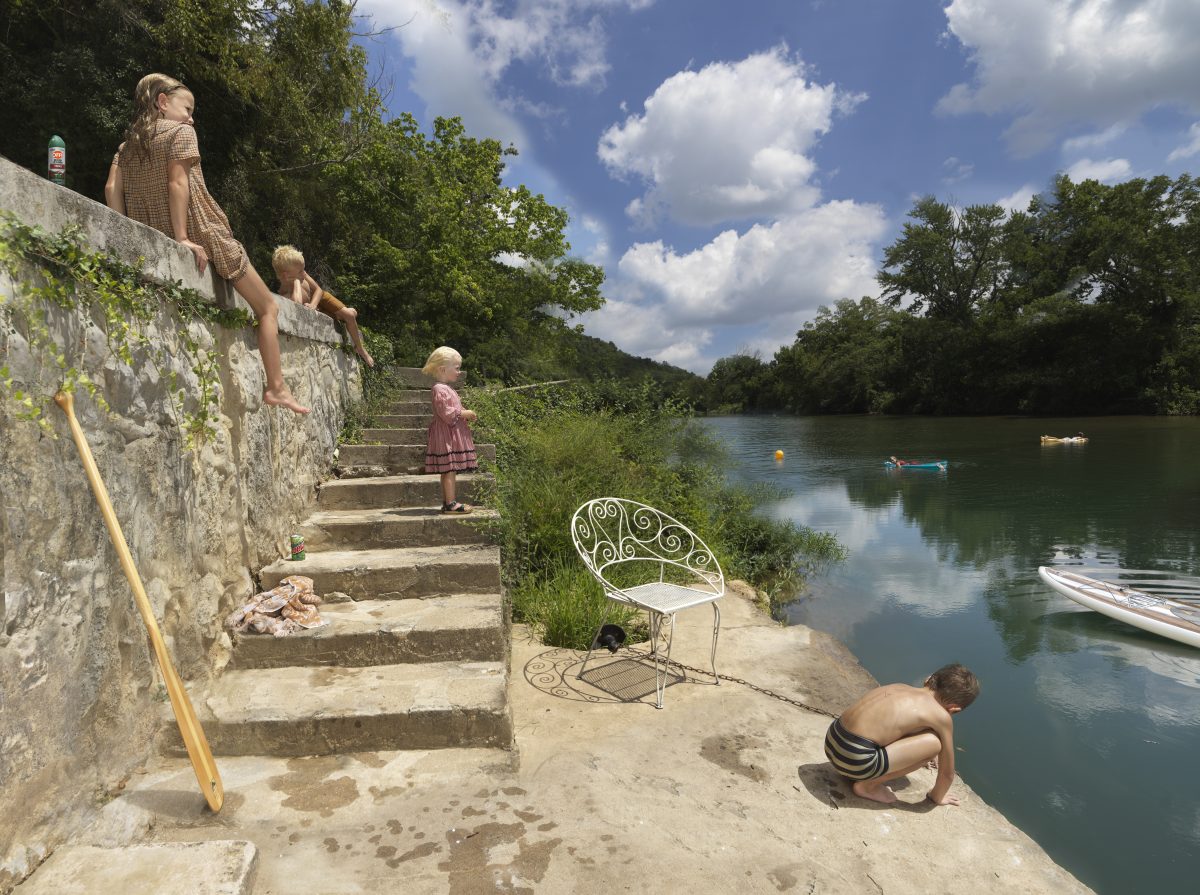
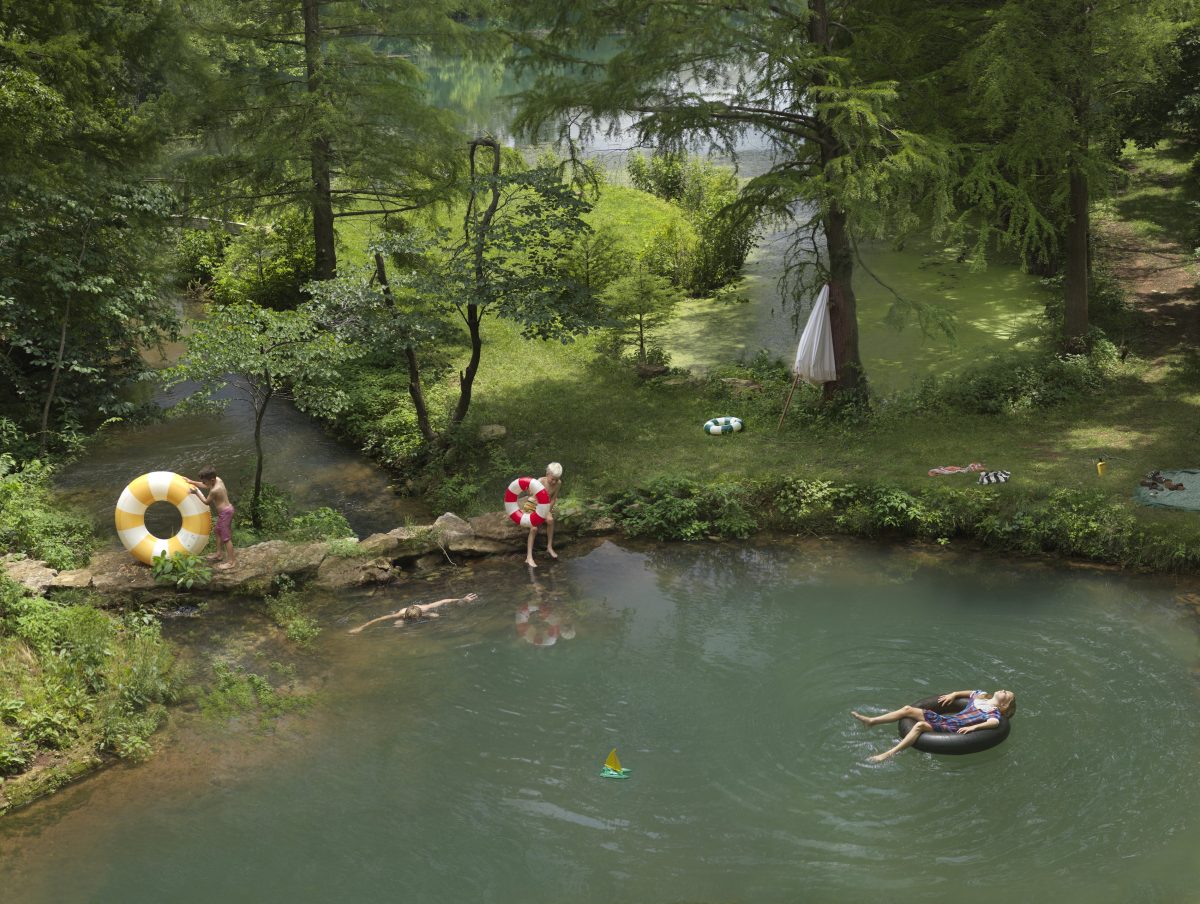
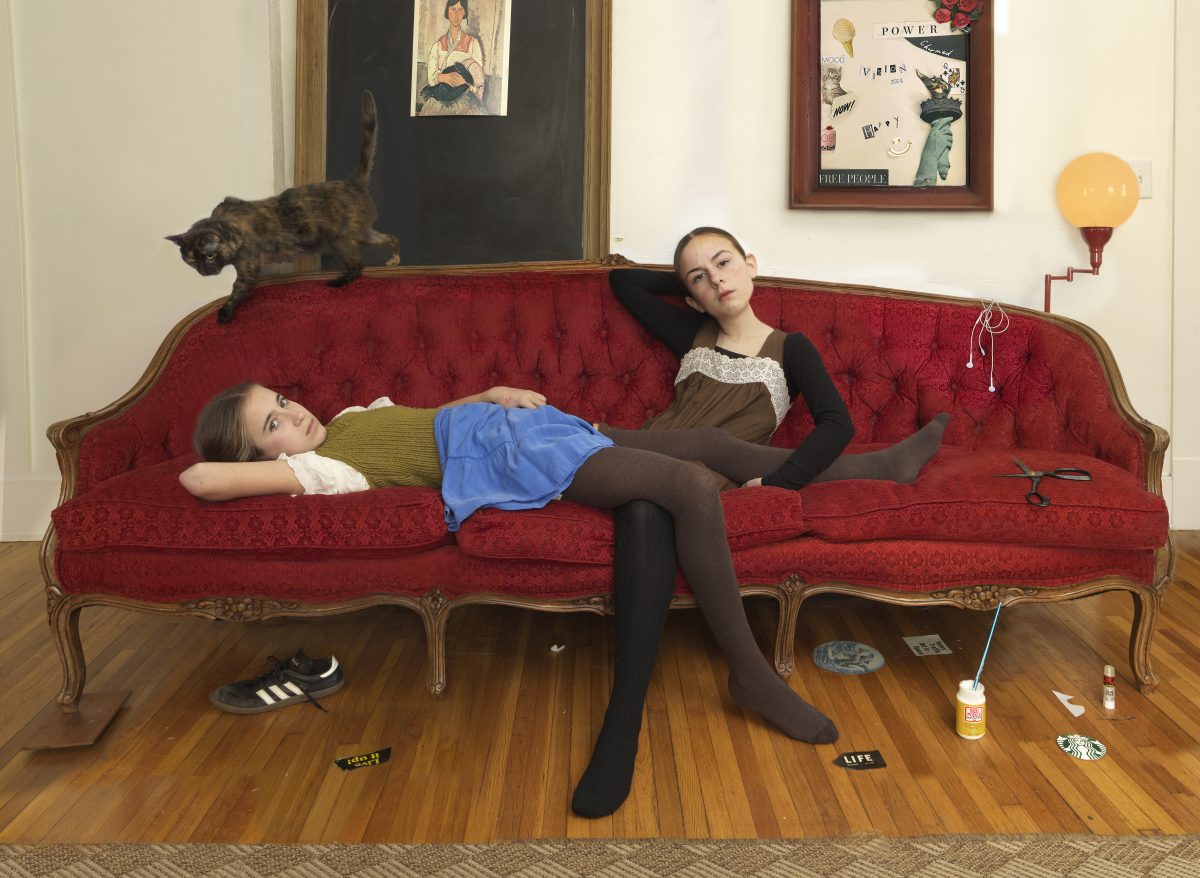
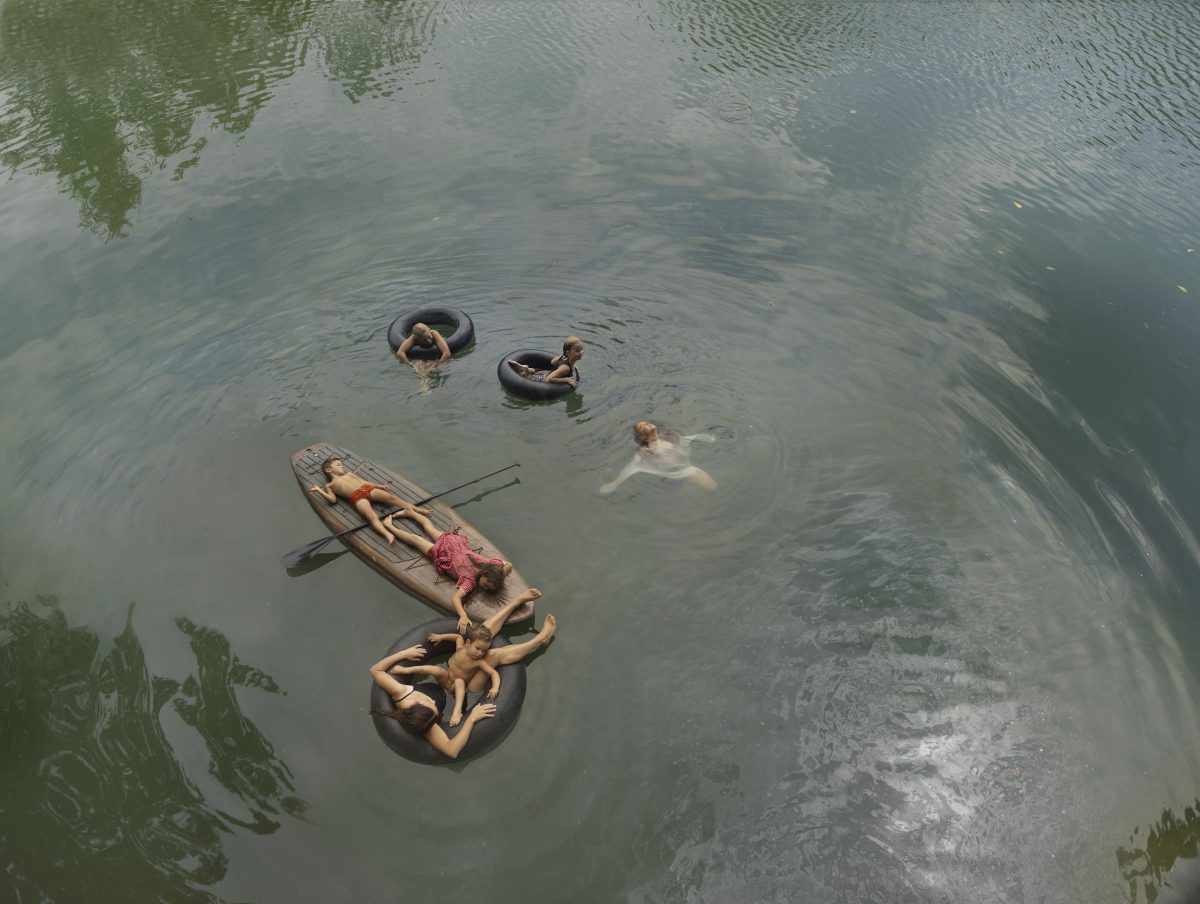
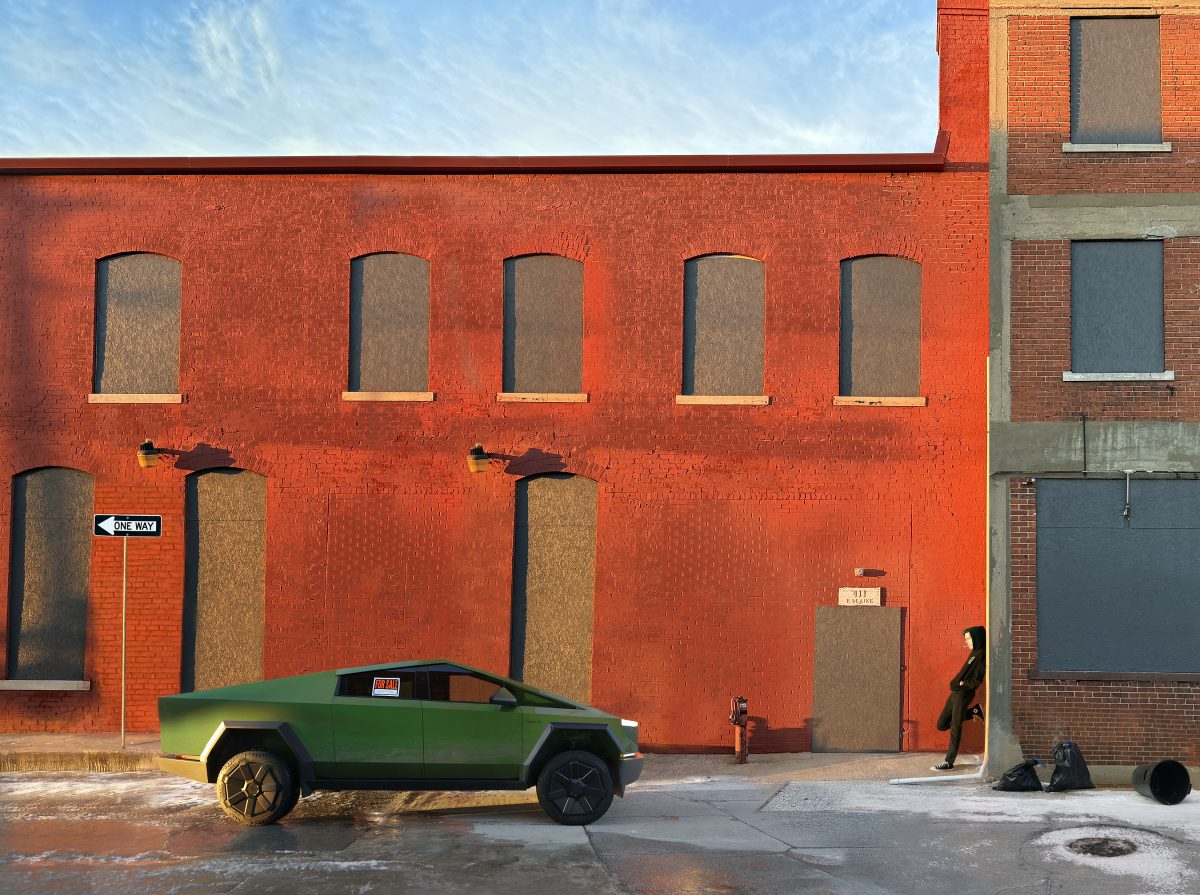
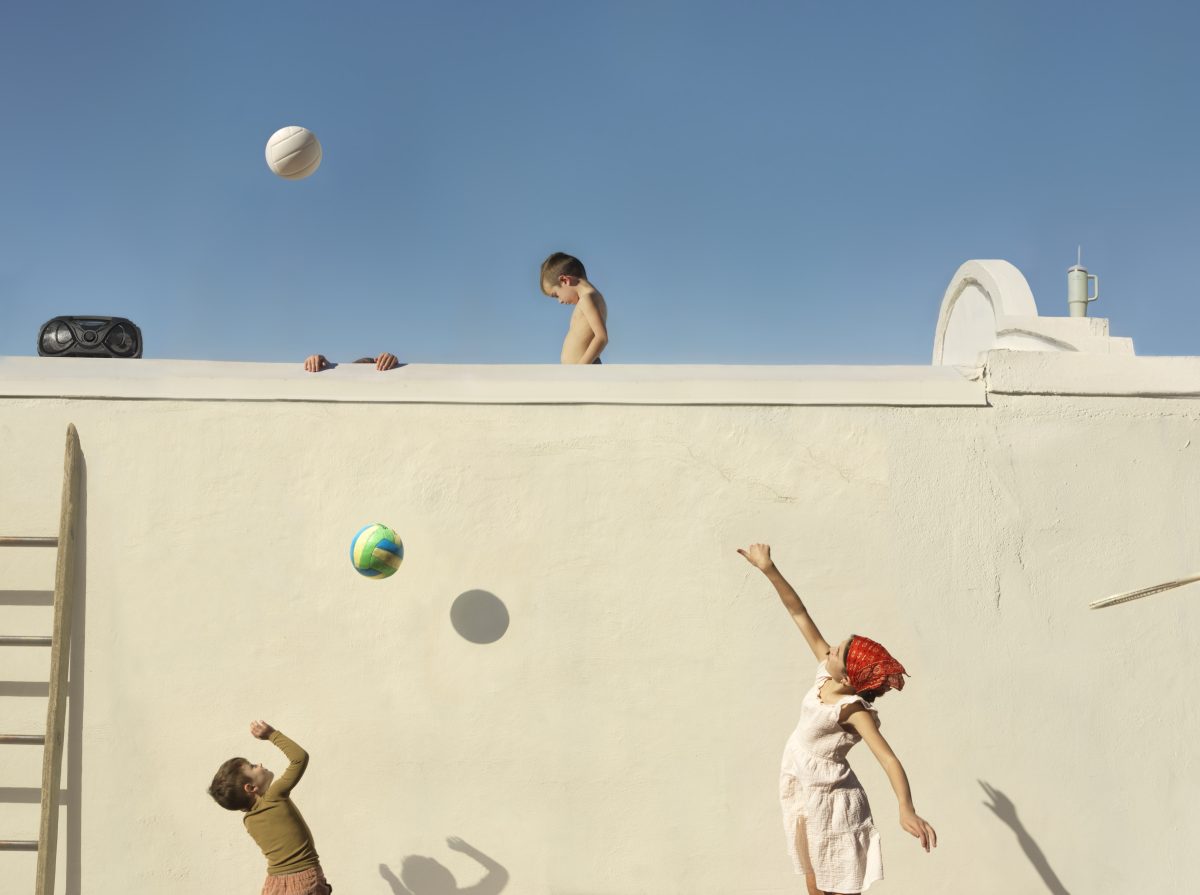
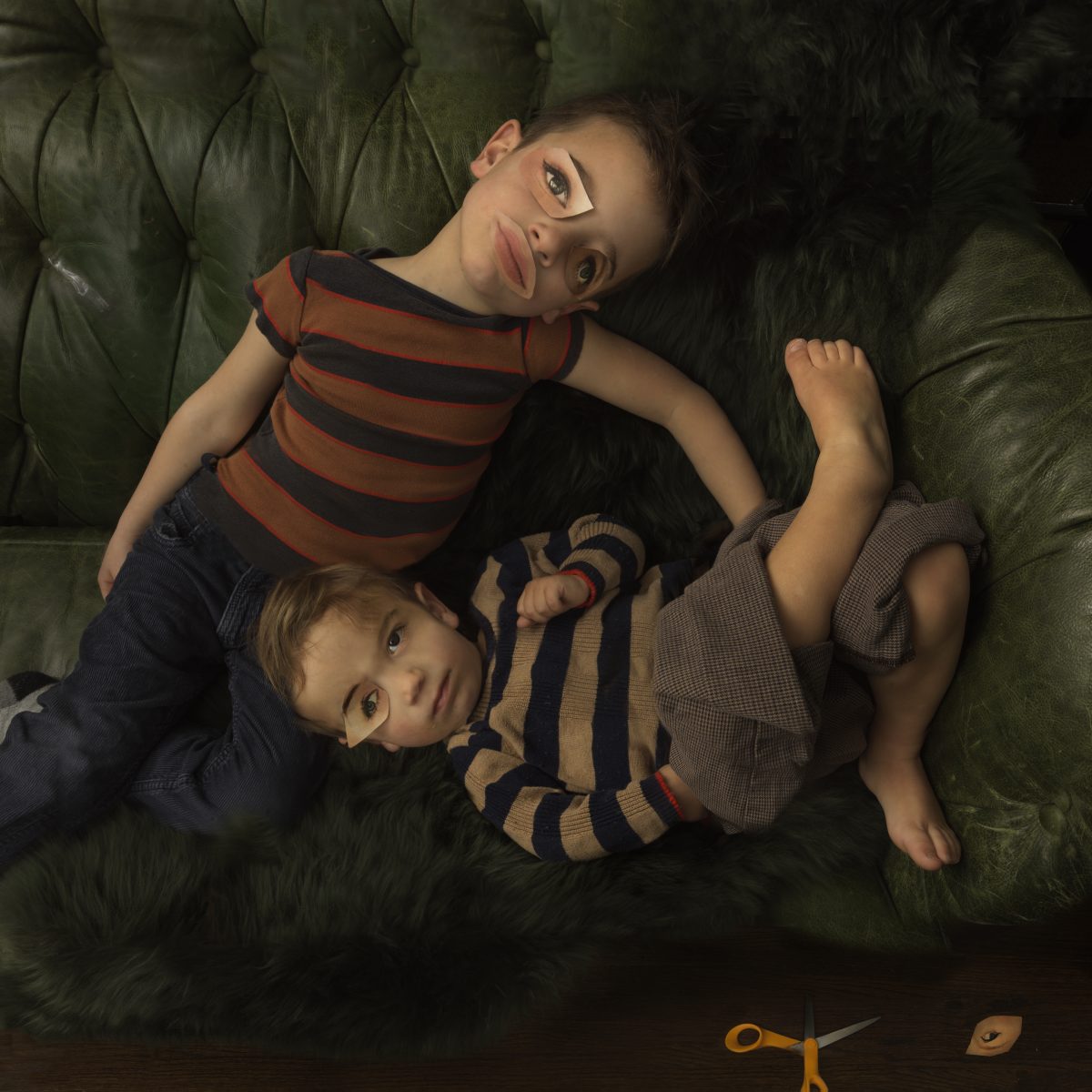
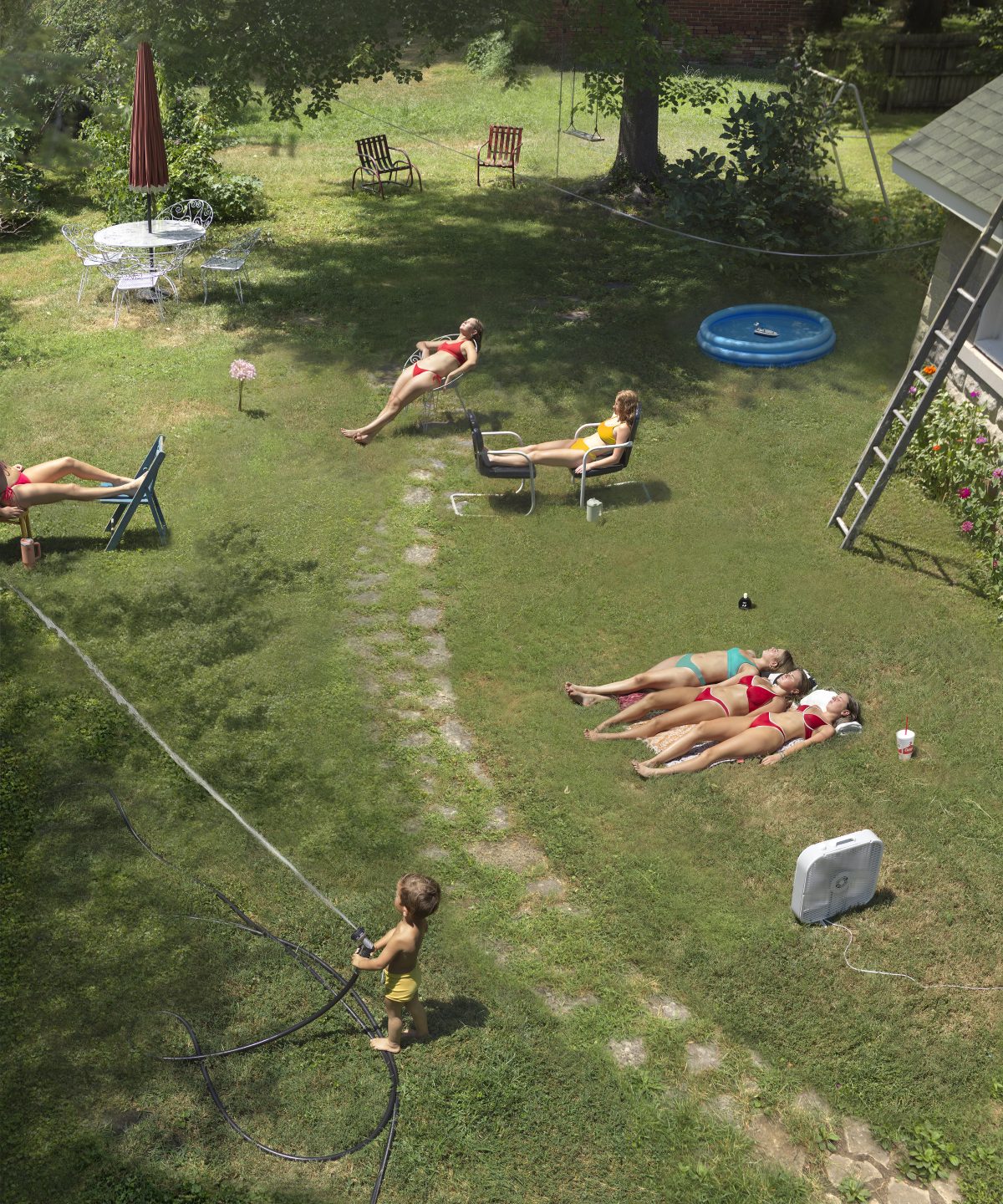
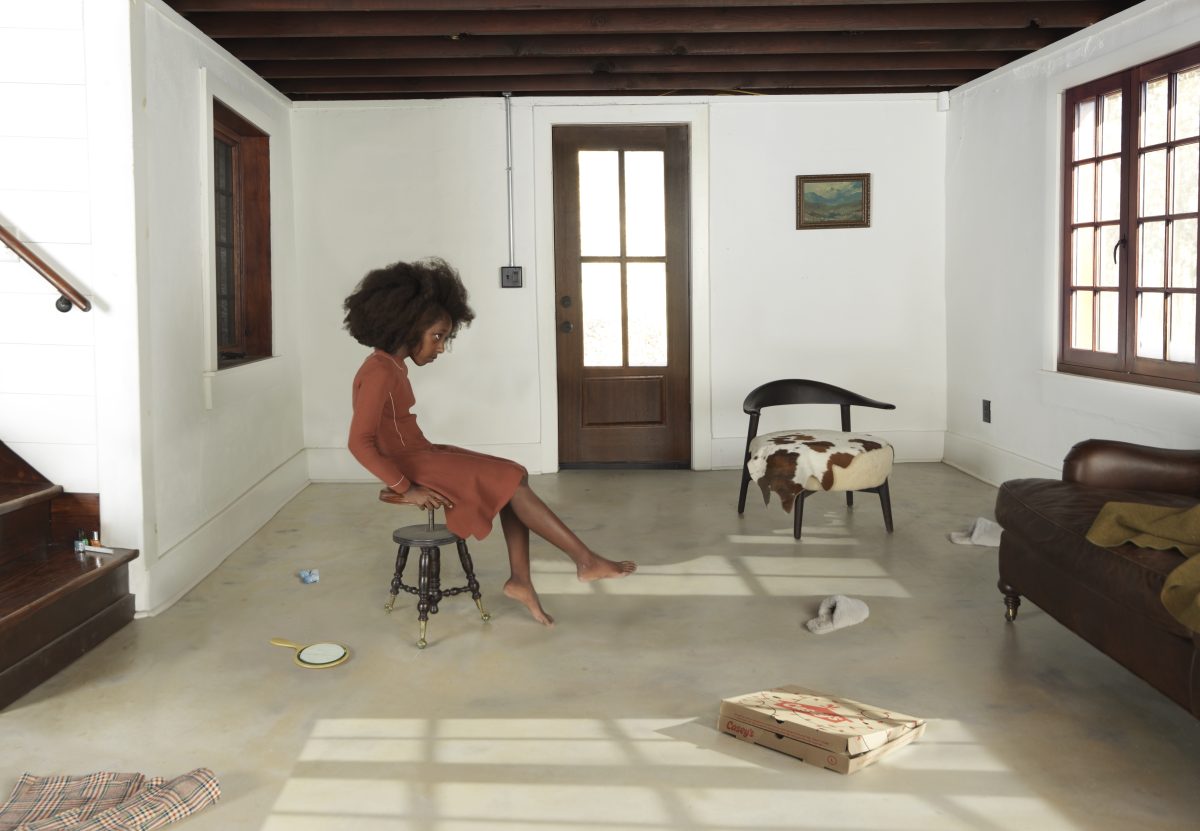
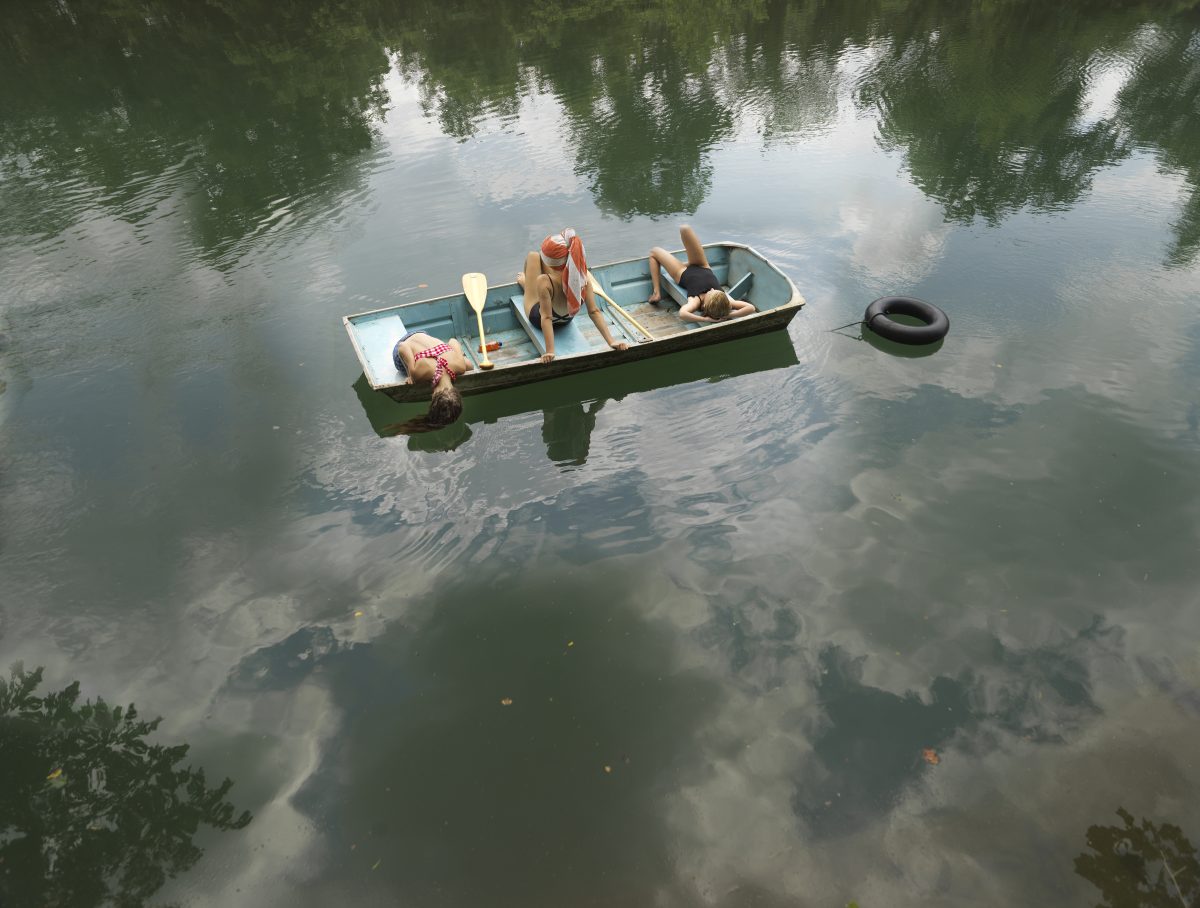
Julie Blackmon (b. 1966) is a photographer who lives and works in Springfield, Missouri, the place that has provided both the setting and raw material for her work throughout her career. Drawing from the familiar world of family, neighborhood, and small-city Midwestern life, Blackmon constructs intricately staged photographs in which the everyday becomes theatrical, uncanny, and often darkly comic.
Her photographs draw freely from art history, photography, film, and popular culture. Among her most important influences is the seventeenth-century Dutch painter Jan Steen, whose densely populated domestic scenes transformed everyday misbehavior into social commentary. Blackmon similarly uses humor, visual excess, and carefully constructed narrative to address childhood, gender, consumer culture, and the contradictions of contemporary American life. Members of her extended family, friends, and neighbors populate scenes in which domestic clutter, toys, animals, architecture, and the incidental stuff of everyday life are carefully orchestrated to appear almost accidental. As critic Leah Ollman has observed, the seeming disorder of Blackmon's world is in fact precisely constructed—an "ordered disorder" employed in the service of satire and social commentary.
A major institutional presentation, Julie Blackmon: A Life in Frame, was organized by the Kemper Museum of Contemporary Art in Kansas City in 2023–24. Surveying roughly a decade of her practice, the exhibition examined Blackmon's use of family, community, and landscape to explore broader questions of gender, social life, domestic dynamics, and art history, while highlighting the increasingly ambitious scale and complexity of her compositions. She has exhibited extensively throughout the United States, with solo museum and institutional exhibitions at the Hood Museum of Art at Dartmouth College, Everson Museum of Art, Houston Center for Photography, and the Art Museum at the University of Kentucky, among others.
Haw Contemporary has presented several large-scale exhibitions of Blackmon's work, including Improvising (2020), Metaverse (2022), and Now & Then (2024–25). The latter brought together early black-and-white photographs, recent large-scale works, and rarely exhibited images spanning more than two decades of her career.
Her photographs are held in numerous public collections, including the National Gallery of Art, Washington, D.C.; Museum of Fine Arts, Houston; Crystal Bridges Museum of American Art; National Museum of Women in the Arts; Cleveland Museum of Art; George Eastman Museum; Nelson-Atkins Museum of Art; Portland Art Museum; North Carolina Museum of Art; Columbus Museum of Art; Toledo Museum of Art; Des Moines Art Center; Kemper Museum of Contemporary Art; Henry Art Gallery; Museum of Contemporary Photography, Chicago; Cafesjian Art Trust Museum; and Musée Français de la Photographie, Bièvres, France, among others. Her work is also included in major corporate collections, including the Microsoft Art Collection, JPMorgan Chase Art Collection, and The Walt Disney Company.
In 2022, the National Gallery of Art acquired Blackmon's Flatboat and Paddleboard (2022), contemporary reimaginings of paintings by fellow Missouri artist George Caleb Bingham. The works exemplify her longstanding practice of looking to art history and recasting familiar imagery through the characters, circumstances, and concerns of present-day American life.
Blackmon has received extensive national and international attention, with The New York Times featuring her photography on multiple occasions, including a 2022 profile by Steven Kurutz examining the central role of Springfield in her practice. She has also been featured by NPR and The Guardian, while her photographs have appeared in publications including The New York Times Magazine, The New Yorker, Vanity Fair, and TIME.
Three monographs published by Radius Books trace the development of her career: Domestic Vacations (2008), Homegrown (2014), and Midwest Materials (2022). Writing in the foreword to Midwest Materials, Los Angeles Times critic Leah Ollman characterizes Blackmon's practice as a sophisticated form of photographic theater—an elaborate act of make-believe in which the ordinary materials of Midwestern life become the building blocks for vivid and persuasive photographic fictions.